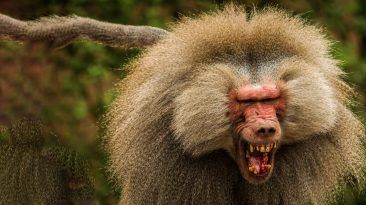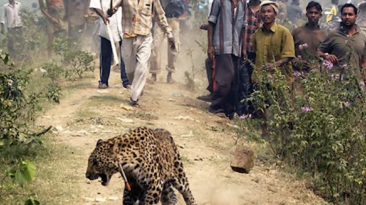
Hyenas have spent decades being portrayed as cowardly scavengers, especially after their famous appearance in movies and cartoons. But the reality is far more terrifying.
These powerful predators are intelligent hunters with one of the strongest bites in the animal kingdom. Their jaws are capable of crushing bones, and when they hunt in groups, even large prey can quickly become overwhelmed.
For one teenager camping in South Africa, a peaceful night outdoors turned into a nightmare when he woke up to a hyena biting his face.
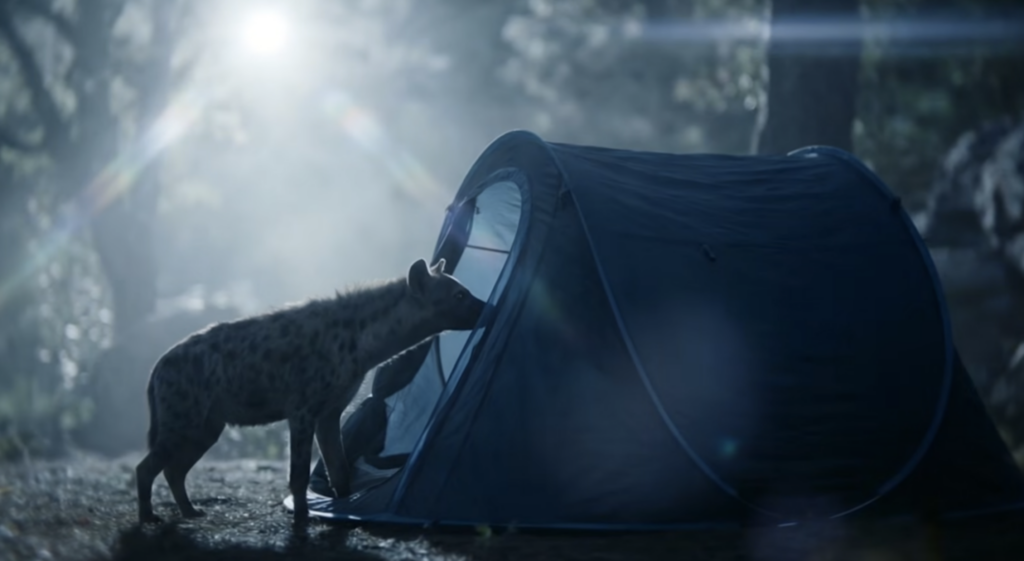
The animal had entered his tent while he was sleeping and dragged him outside into the darkness. His screams alerted his father, who rushed toward the terrifying scene and found his son badly injured.
The teenager survived, but the attack showed just how dangerous encounters with hyenas can be.
There are several species of hyena found across Africa and parts of Asia, but the spotted hyena is the most feared. These animals can reach nearly 2 meters in length, stand almost 1 meter tall at the shoulder, and weigh more than 80 kilograms.
Despite their dog-like appearance, they are built for survival. Their bite force can reach around 1,000 PSI, allowing them to crush and consume bones that other predators leave behind. Unlike many animals that rely mainly on claws, hyenas use their powerful jaws as their primary weapon.
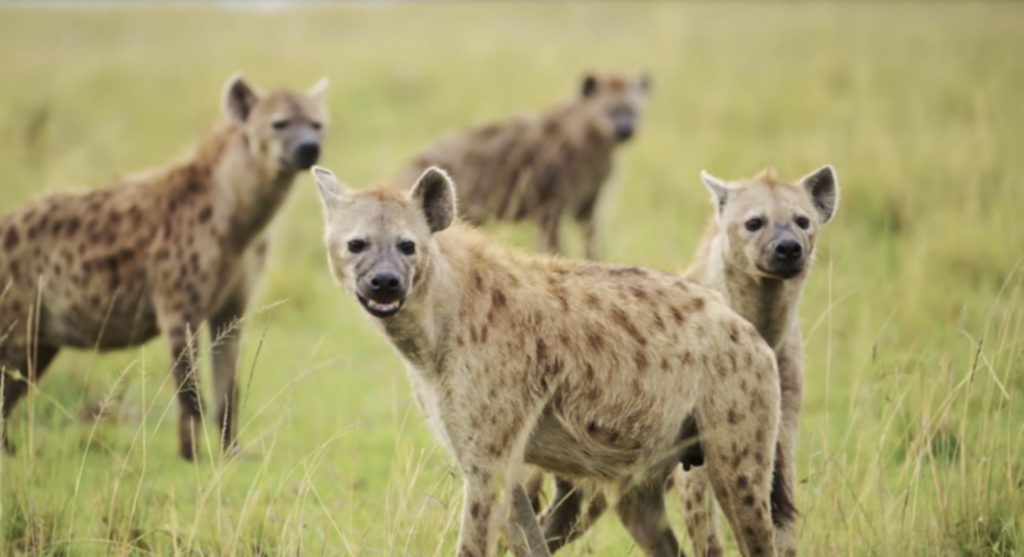
They are also incredibly fast, capable of reaching speeds of around 65 km/h. But the biggest danger is that you rarely encounter only one.
Spotted hyenas often live and hunt in clans that can contain dozens of animals. Working together, these groups can take down prey much larger than themselves.
Although hyenas usually avoid humans, attacks can happen when food becomes scarce, especially during dry seasons. As natural habitats shrink and human settlements expand, encounters between people and hyenas have become more common.
One of the most terrifying examples happened when Nicolas Hohls was camping with his father and friends at Cape Vidal Nature Reserve in South Africa.
After spending the day fishing, the group went to sleep inside their tents. Nicolas left a small opening for ventilation, unaware that it would allow something dangerous to enter.
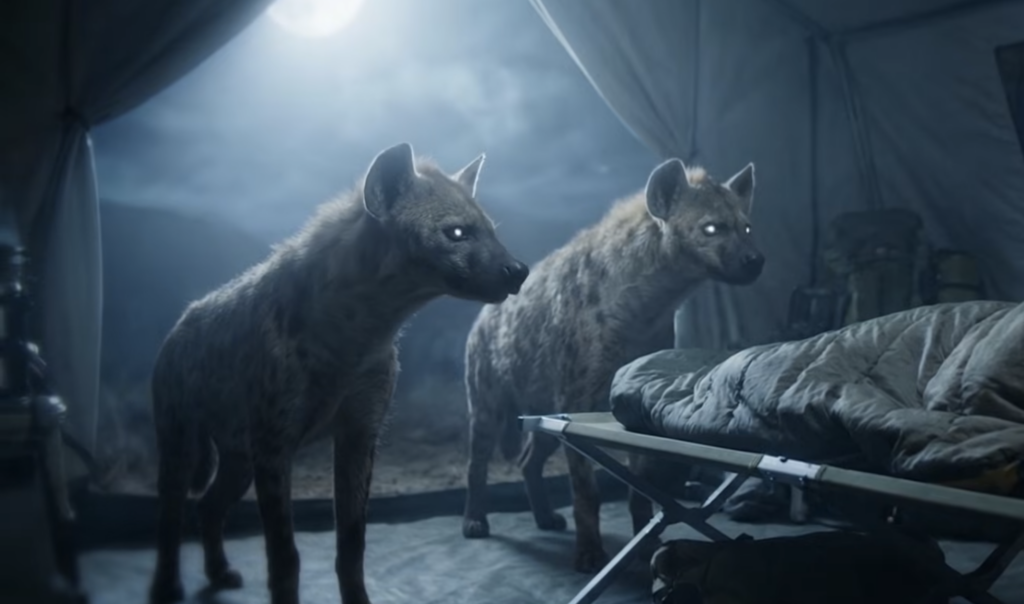
During the night, two hyenas approached the campsite. They crawled into his tent and attacked while he was asleep.
Nicolas woke up to one hyena biting his head while another grabbed his ankle. Realizing he was being attacked, he fought back using everything he had. He managed to free his face and ankle before attacking the animals’ most vulnerable areas.
His father heard the screams and immediately rushed over, but by the time he arrived, the hyenas had disappeared.
Nicolas was covered in blood and suffered serious injuries, including deep wounds to his head, face, and limbs. He needed dozens of stitches but survived without any broken bones.
His survival came down to quick thinking and refusing to give up. However, not every victim has been as fortunate.
Other attacks have occurred when people were simply trying to complete everyday tasks. In areas near wildlife reserves, residents collecting firewood or walking home at night have sometimes encountered groups of hyenas.
During dry seasons, when food and water become harder to find, hyenas may travel farther into human communities looking for opportunities to feed.
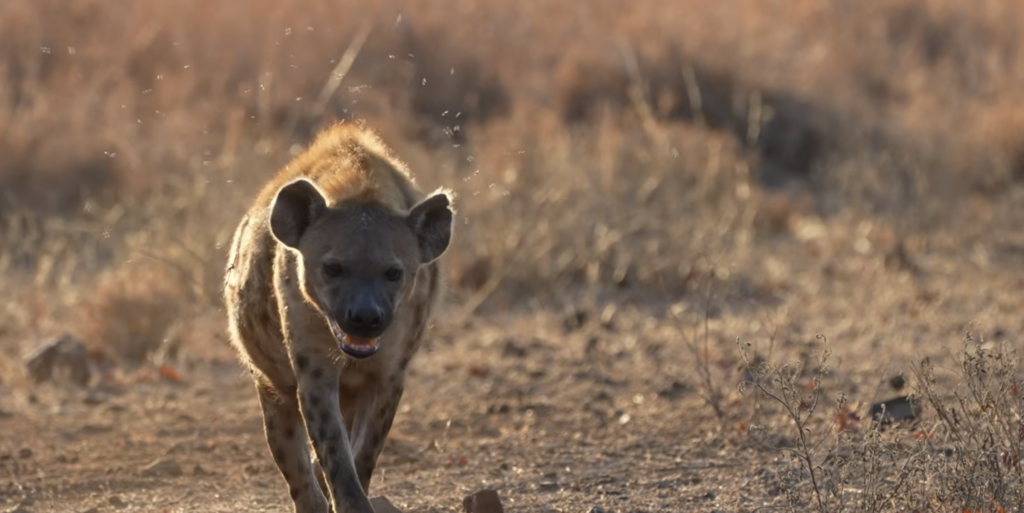
If you ever find yourself near hyena territory, the safest strategy is to avoid attracting their attention. Stay in groups, avoid walking alone at night, and never approach these animals.
If a hyena comes close, do not run. Try to appear larger, make loud noises, and keep facing the animal. If you encounter a group, move toward higher ground and avoid allowing them to surround you.
Hyenas may not be the largest predators in Africa, but their intelligence, teamwork, and incredible strength make them animals that should always be respected.
Because when a pack of hyenas decides you are their target, survival becomes a fight against one of nature’s most efficient predators.