Horses have played a major role in human history. They helped people travel across continents, explore new lands, work on farms, and even fight wars. But during one of America’s most difficult periods, horses took on another unexpected mission: helping people learn to read.
The story began during the Great Depression in the 1930s, when millions of Americans were struggling to survive. Around 15 million people were left without jobs, and many communities faced extreme poverty. In Kentucky, especially in the isolated mountain regions of the state, access to food, education, and economic opportunities was severely limited.
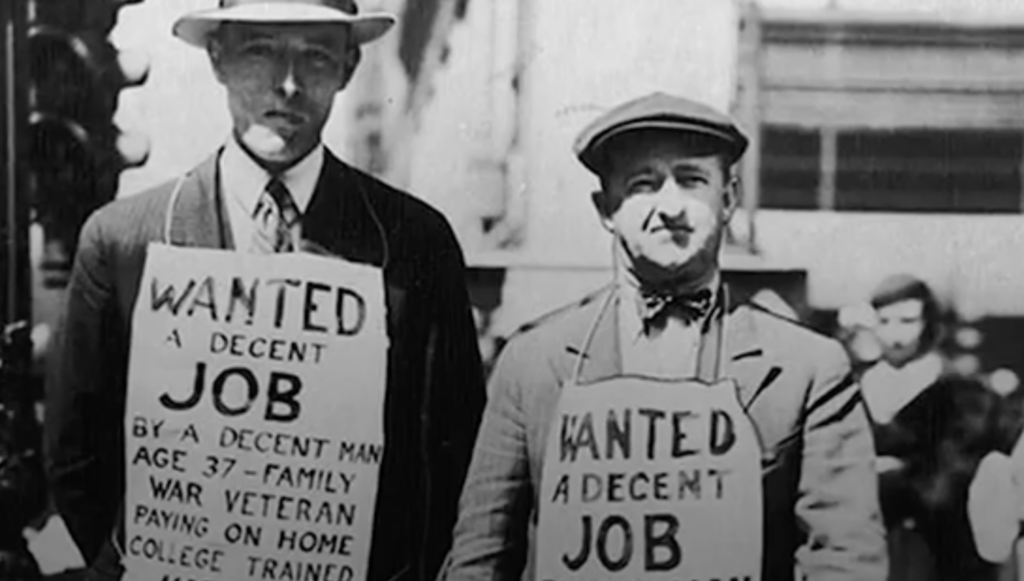
One of the biggest challenges was literacy. In some areas of eastern Kentucky, nearly one third of residents could not read. President Franklin D. Roosevelt believed that improving education and literacy could help people find work and create better opportunities for their families.
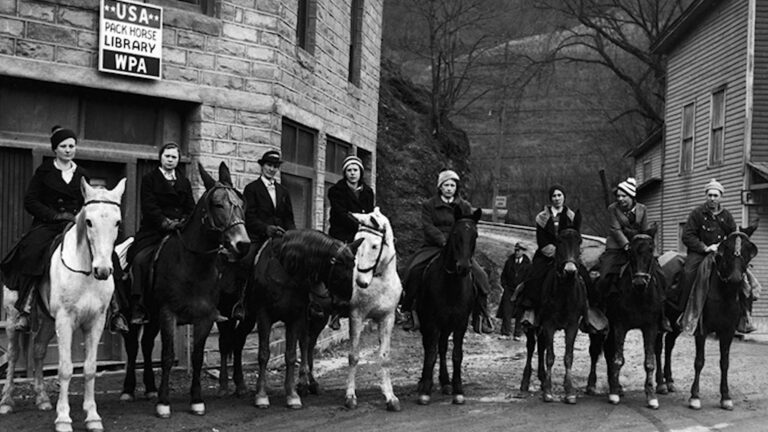
To reach people living in remote mountain communities, a unique program was created. Instead of waiting for residents to travel to libraries, librarians would bring the books directly to them.
These librarians became known as the Pack Horse Librarians. Most of them were women who traveled through difficult terrain carrying books, magazines, and educational materials to families who had little or no access to reading resources.
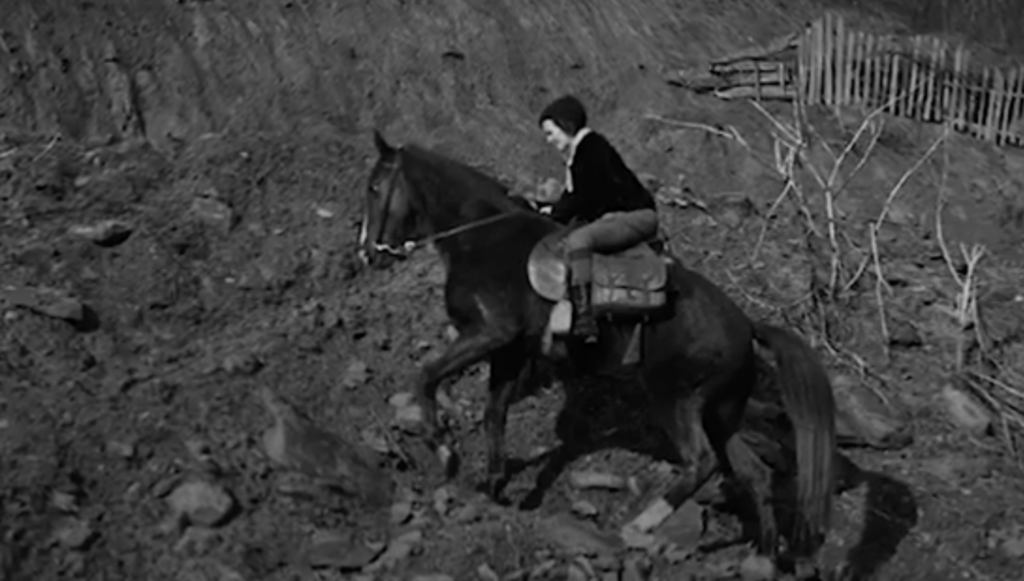
Their transportation was just as important as the books themselves. Horses were the perfect solution because they could travel long distances through rough mountain paths while carrying heavy loads. Unlike vehicles, horses could reach places where roads were limited or nonexistent.
Every week, these horseback librarians and their animals traveled around 200 kilometers (125 miles), delivering reading materials to homes, schools, and small communities. For the horses, carrying books across challenging landscapes was a demanding task, but their strength and endurance made the program possible.
Over seven years, the riders delivered books and educational materials to more than 50,000 families across Kentucky. As people learned about the program, donations of books and other reading materials increased, allowing even more communities to benefit.
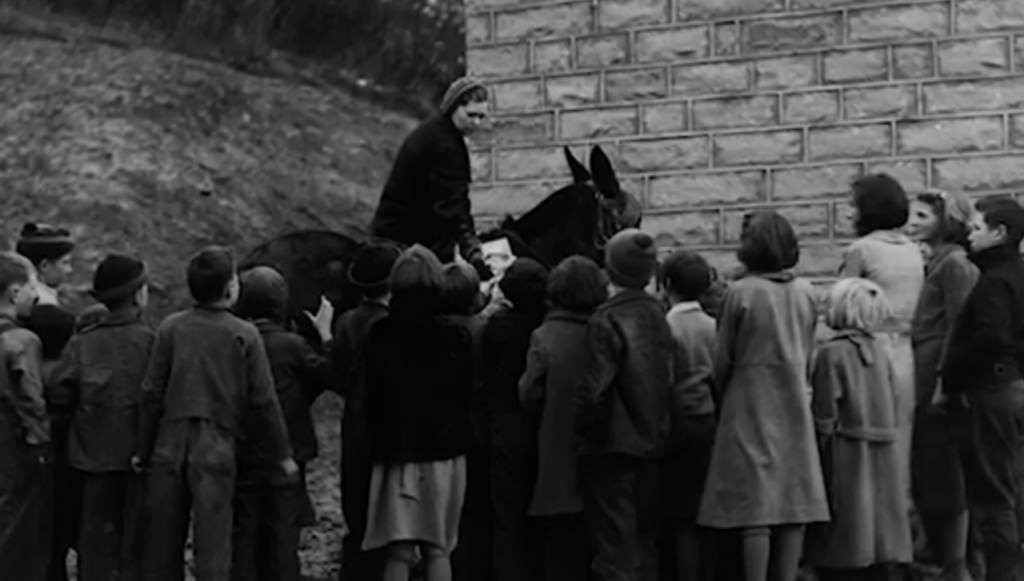
For many families, these horseback librarians brought more than just books. They brought knowledge, education, and hope during a time when opportunities were extremely limited. A simple ride through the mountains became a lifeline that connected isolated communities with the outside world.
The Pack Horse Library program remains one of the most inspiring examples of how determination, education, and even the help of animals can transform people’s lives. During America’s hardest years, these librarians proved that sometimes a single book delivered on horseback could open the door to a brighter future.