You’re hiking through a rainforest when you slip and grab a nearby vine to steady yourself. You feel a sting on your hand. Then, sudden intense pain!
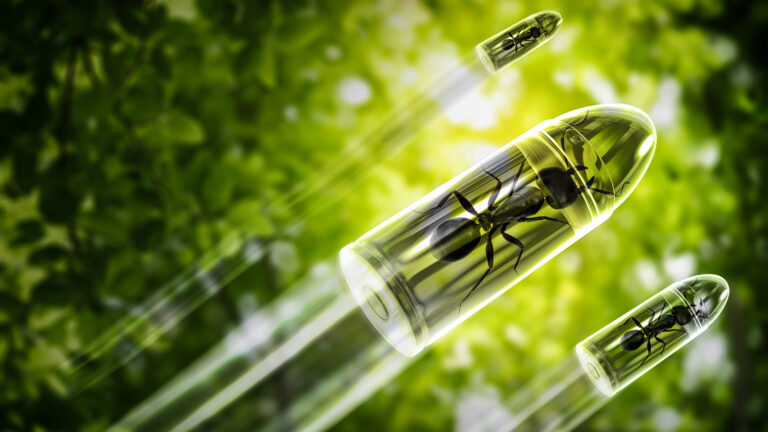
It feels like you’ve been shot. You’ve just been attacked by the most painful sting of any venomous animal in the world.
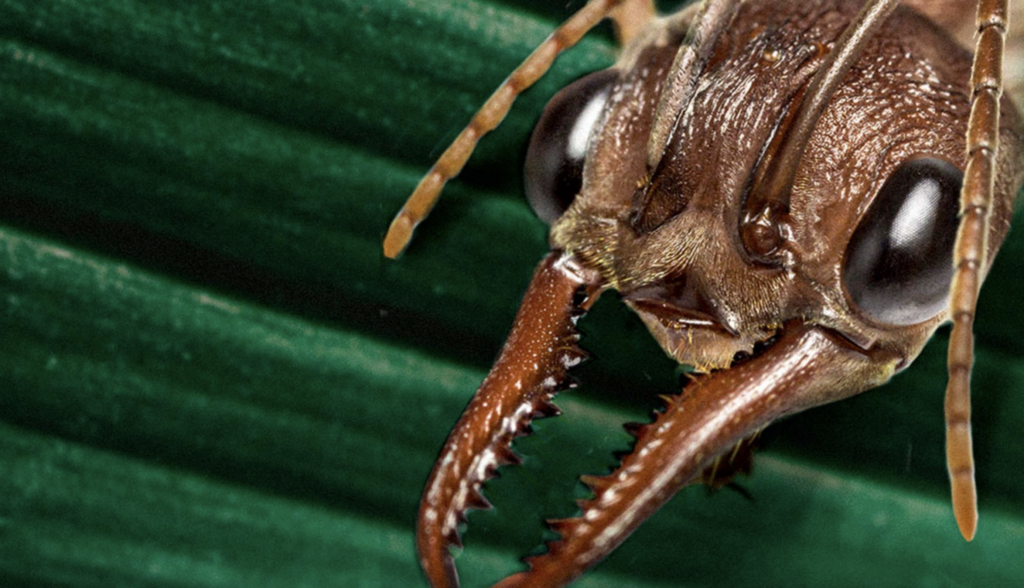
The bullet ant, or Paraponera clavata, is found in the tropical rainforests of Central and South America. These hairy little critters are large for ants at up to 2.5 cm (1 in) in length. They are reddish black in color and look like toy ants that have come to life.
But they’re not playing around, because just one of their little stings could leave you temporarily paralyzed. So how can you avoid being stung, why does it hurt so much, and why does it feel so good afterward?
Step 1. Beware the Vines
The bullet ant will not hunt you down. It doesn’t care about you as long as you don’t interfere with it. It can even walk on your skin without stinging.
But as soon as it feels threatened, it will attack. The ants use vines as their highways, and if you lean against one of these vines, you will be in trouble.
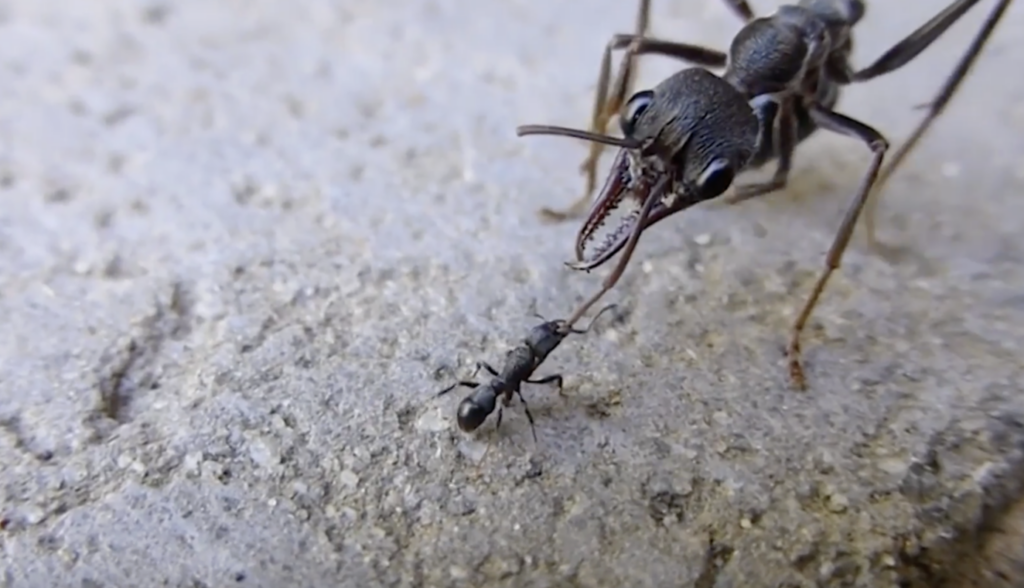
The ant will bite with its large mandible and then arch its back and sting. You suddenly become aware of why they’re called bullet ants. It feels like you’ve been shot.
Step 2. Rub Charcoal on Your Skin
To avoid being stung, rub some charcoal on your exposed skin. The charcoal may confuse or obstruct the ants.
Some South American Indigenous groups in the Amazon have a ceremony that includes bullet ants. It’s a rite of passage for young boys, where the ants are woven into mitts that the boys must wear for up to 10 minutes.
The trapped ants sting over and over. This coming of age ceremony prepares the boy for the pain of manhood and helps him learn to control pain and fear. The only protection given to the boys is charcoal on their hands.
Step 3. Don’t Scratch
The ant has bitten you. If you’re quick enough, you can brush it away or pull it off with tweezers before it stings.
Once it stings you though, don’t scratch. Rubbing where you’ve been stung will only speed up the flow of the venom through your body and increase the pain.
The venom contains the chemical poneratoxin, a neurotoxin that blocks the transmission of nerve signals. It causes extreme pain, temporary paralysis and uncontrollable shaking.
Step 4. Use a Cold Compress
Put ice or a cold compress on the affected area. You might even want to put your arm in a bucket of ice to cool it down.
You’ll be sweating profusely, so the ice might help with that as well.
Step 5. Seek Medical Help
Antihistamines will help reduce the circulation of the venom in your body. They will also help if you have an allergic reaction to the toxin. Clean the wound because it could be infected with bacteria or viruses, so be sure to have it bandaged.
Have a doctor or nurse look at it. They can give you medication to deal with the pain and any severe reactions you might have.
Step 6. Embrace the Adrenaline
Despite its reputation as the most painful sting of any venomous animal in the world, the good news is that the pain will eventually go away. The poneratoxin disappears from your system after 24 hours. An energized feeling replaces the intense pain as adrenaline floods your body.
The feeling has been described as “fantastic,” but it probably doesn’t make up for the suffering. Thankfully, there are no reports of anyone dying from the sting of a bullet ant, though it is possible if you have immune issues.
You survived the incredible pain of a bullet ant sting. You must be feeling pretty invincible right now.