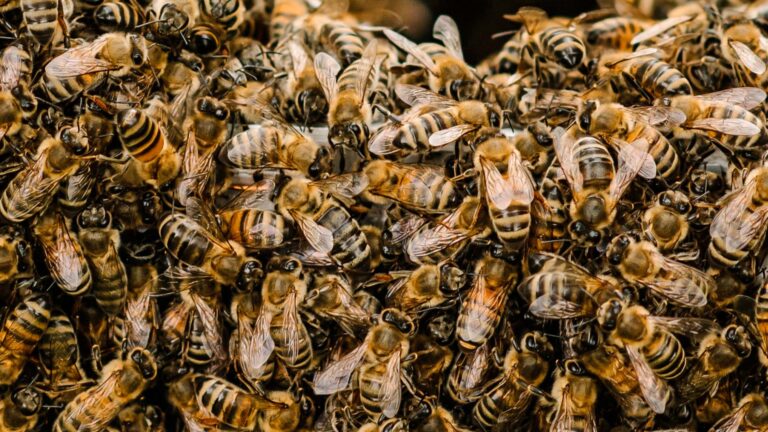
You are hiking through a quiet forest when you suddenly hear a strange buzzing sound. At first, it seems harmless. But within seconds, the noise becomes louder and louder.
Then something hits your cheek.
A sharp burning sensation spreads across your skin as hundreds of bees begin surrounding you. You realize you are no longer alone, and you need to act quickly if you want to survive.
There are around 20,000 different species of bees around the world, but one of the most feared is the Africanized honeybee.
These bees look almost identical to European honeybees. They pollinate plants, live in colonies, and produce honey. But their behavior is very different. Africanized honeybees were created after European honeybees were introduced to Brazil in the 1950s, and they eventually spread across much of the Americas, reaching the southern United States in the 1990s.
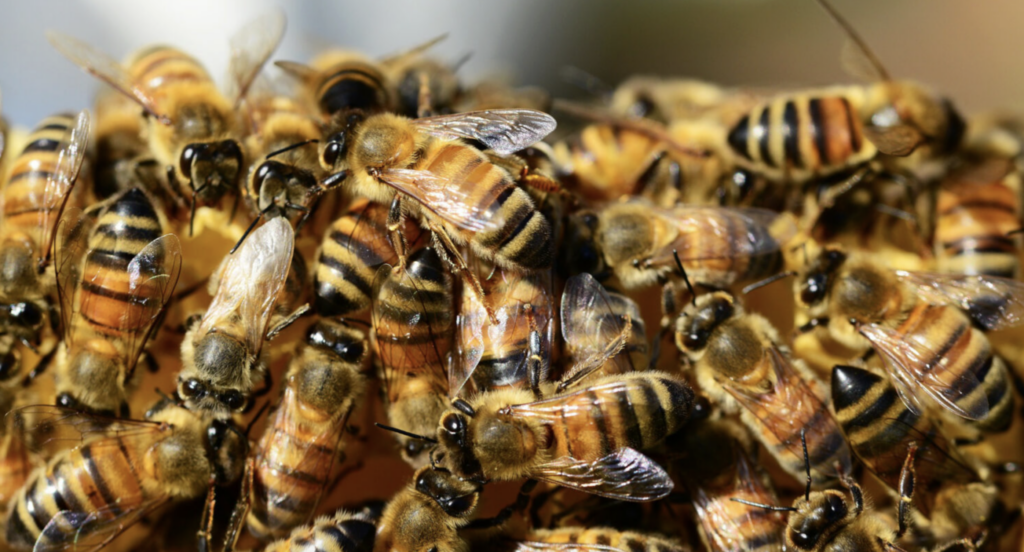
Their venom is not stronger than regular honeybees, but their attacks are far more dangerous. Africanized honeybees are extremely protective of their nests and respond to threats with overwhelming force. When they sense danger, they can attack in massive numbers and continue chasing an intruder for long distances.
So what should you do if you encounter a swarm?
Step 1: Dress to Avoid Attention
Before heading outdoors, your clothing choices can make a difference.
Africanized honeybees are more likely to react aggressively toward dark colors because they associate them with natural predators like bears and other animals. Wearing black or red clothing can make you appear more threatening to them.
Light-colored clothing is a better choice when hiking in areas where bees may be present. Avoid floral patterns as well because they can resemble the colors and shapes of flowers that attract bees.
Strong smells can also draw attention. Keep food sealed in containers and avoid wearing heavy perfumes or colognes.
Step 2: Pay Attention to Warning Signs
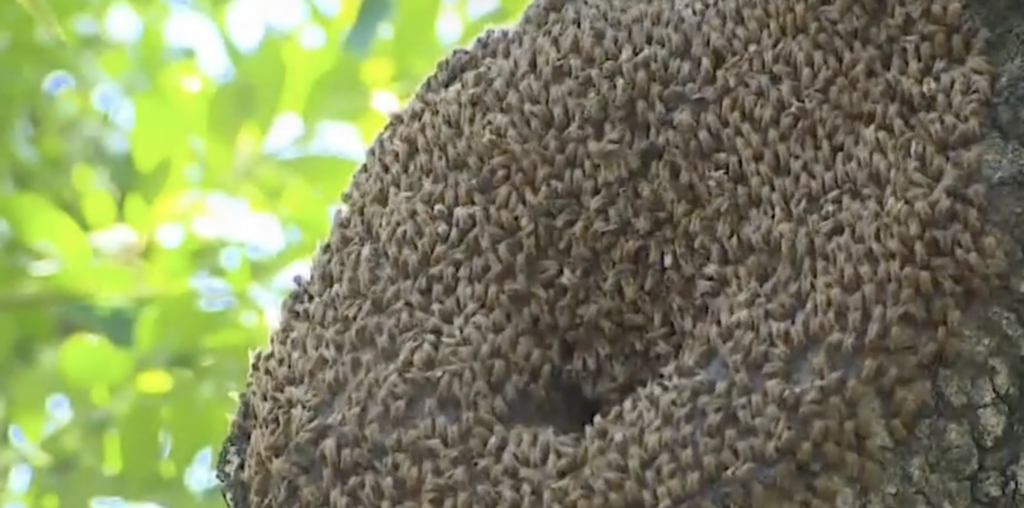
If you see a beehive or a large group of bees, do not investigate. Slowly leave the area immediately.
Bee colonies can hide in unexpected places, including holes in trees, cracks in rocks, or even underground openings. If bees are coming from these areas, there may be a nest nearby.
Even if only a few bees approach you and bump into your body, they may be warning you to leave. Ignore that warning, and the entire colony could join the attack.
Step 3: Run
If the bees begin attacking, do not try to fight back.
Swatting at bees or hitting them will only make them more aggressive. Instead, run away in a straight line as quickly as possible.
Protect your face and head because bees often target these areas. Cover yourself while making sure you can still see where you are going.

Africanized honeybees can chase people for up to 500 meters (1,640 feet), so do not stop until you are certain they are no longer following you.
The best escape route is into a building, vehicle, or enclosed shelter. Close all doors and windows behind you.
In 2016, two hikers in Mesa, Arizona, encountered a massive swarm of Africanized honeybees. One hiker escaped by running to a nearby restroom, but the other tried swatting at the bees. Rescue workers later found him near the hive covered in bees. He died after receiving more than 1,000 stings from a colony estimated to contain around 50,000 bees.
Step 4: Do Not Jump Into Water
Water may seem like a safe escape, but it can make the situation worse.
Africanized honeybees can wait for you to come back to the surface. They may continue attacking when you emerge, and staying underwater too long creates another danger: drowning.
Instead of hiding in water, find solid shelter.
Step 5: Carry Emergency Medication
Bee stings can be deadly for people with allergies.

Millions of people are allergic to bee venom, and a severe reaction can cause difficulty breathing, swelling of the throat and tongue, dizziness, and loss of consciousness.
If you know you are allergic, carrying an epinephrine injector can save your life during an emergency.
Step 6: Get Medical Help
If you are not allergic and only receive a few stings, remove the stingers using a blunt object, wash the area with soap and water, and treat the pain and swelling.
However, hundreds of stings can overwhelm even a healthy person. An average adult may survive around 1,000 stings, but a massive attack requires immediate medical attention.
Doctors can provide treatments such as oxygen, medication, and emergency care if the body begins shutting down.
The best way to survive a bee swarm is simple: do not disturb them. Give bees space, respect their territory, and leave before they have a reason to defend their hive.