In most countries, watching a film is the least remarkable thing you could do with an evening.
In North Korea, it depends entirely on where the film came from. An American movie or a South Korean drama isn’t entertainment there. It’s contraband, and defector testimonies describe harsh penalties for anyone caught with it.
In some reported cases, those punishments have been carried out publicly, specifically so everyone else understands the message.
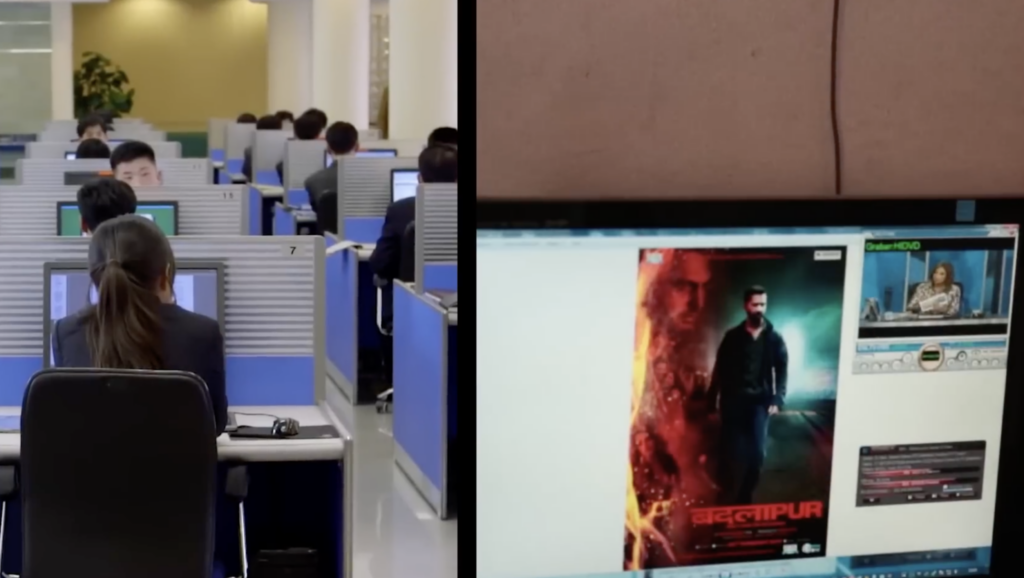
Analysts and defectors consistently describe North Korea as a tightly controlled state where daily life is regulated down to details most people never think about. For citizens and visitors alike, small actions carry consequences that can include detention or imprisonment.
Foreign media sits near the top of that list.
Movies, television, and music from the United States and South Korea are generally forbidden, and possessing or sharing any of it is treated as exposure to outside ideology rather than as ordinary media consumption.
The logic behind the restriction is straightforward. Control the information and you control what people believe is possible.
Music receives the same treatment.
South Korean pop is banned outright because of what it represents, and anyone found with illegal recordings or media devices risks interrogation, detention, or punishment.
That hasn’t stopped it circulating. Defectors have described secret distribution networks moving foreign films and music around on hidden USB drives, which tells you something about how much demand exists for it.
Even inside families, having banned media in the house can bring severe consequences if authorities find out.
Religion is restricted along similar lines.
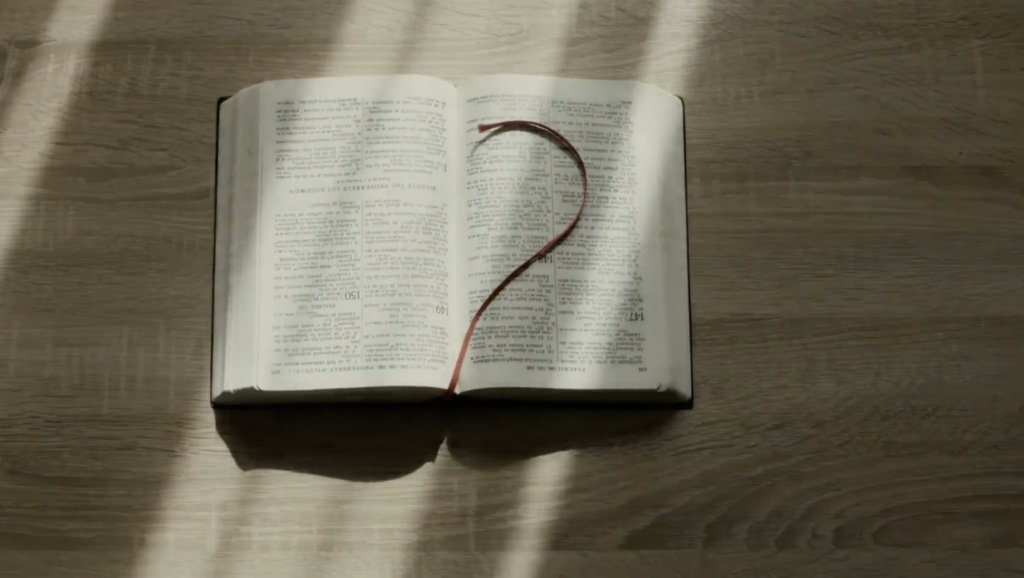
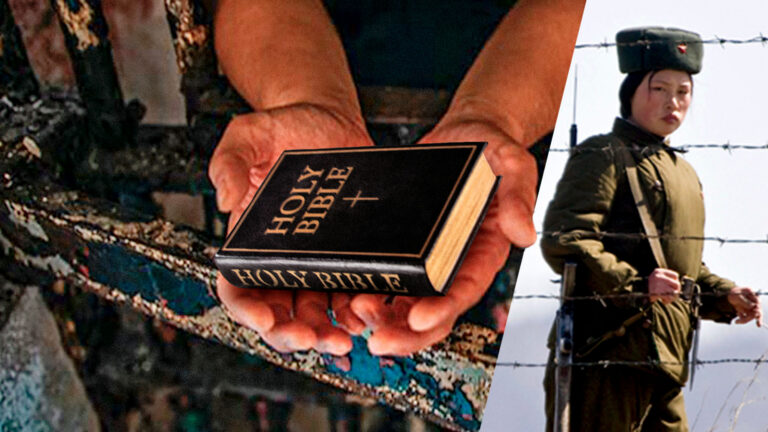
North Korea is officially an atheist state, and organized religion is heavily controlled. Possessing a religious text like a Bible can be treated as a serious offense, with foreign religious materials classified as illegal propaganda.
One case made international news. American citizen Jeffrey Fowle was detained after leaving a Bible in a public place, accused of religious proselytizing, and held for several months before diplomatic negotiations secured his release.
Visitors are strongly advised against bringing or displaying religious symbols at all.
Then there are the rules that sound almost trivial until you consider how they’re enforced.
Blue jeans, for instance, are associated with Western culture and restricted in certain contexts. Other clothing viewed as symbolizing Western influence can be discouraged or banned outright, along with tight fitting garments and styles considered capitalist.
Tourists are expected to dress according to local standards while they’re there.
Hair falls under the same principle.
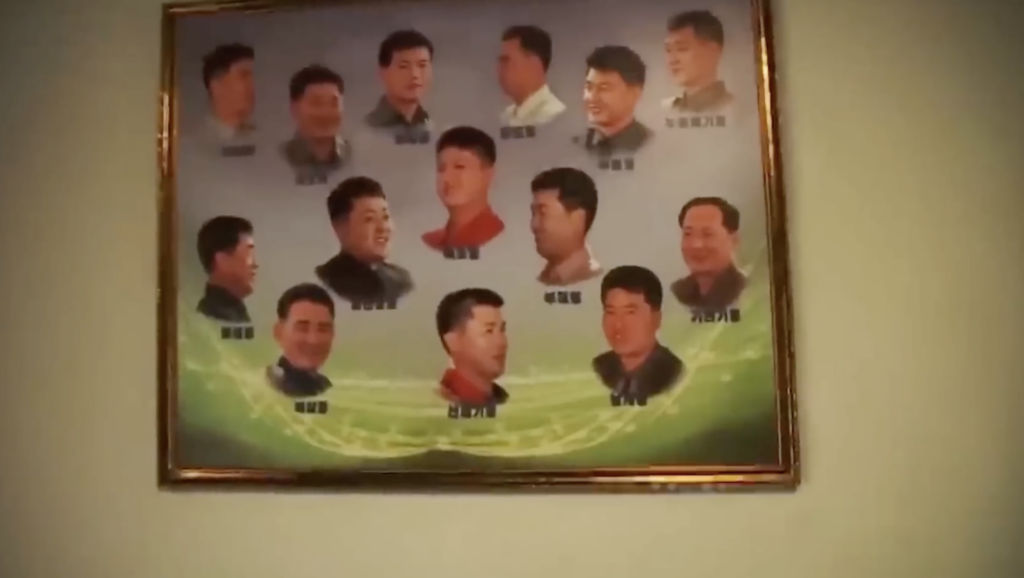
Reports suggest both men and women are expected to select from a limited range of approved hairstyles, with men restricted to a small number of government sanctioned cuts and designated styles for women.
Anything unconventional, whether that’s a mullet or a heavily stylized cut, is discouraged or reportedly prohibited. The stated purpose is uniformity and social order.
It’s worth correcting one thing that circulates online about the country, since it goes the opposite direction.
There’s a persistent rumor that marijuana is legal in North Korea. It isn’t.
Wild hemp does grow in some areas, but industrial hemp contains very low levels of THC and is not the same plant people mean when they talk about recreational use. Official policy treats marijuana as an illegal drug like any other controlled substance.
Even money works differently for anyone visiting.
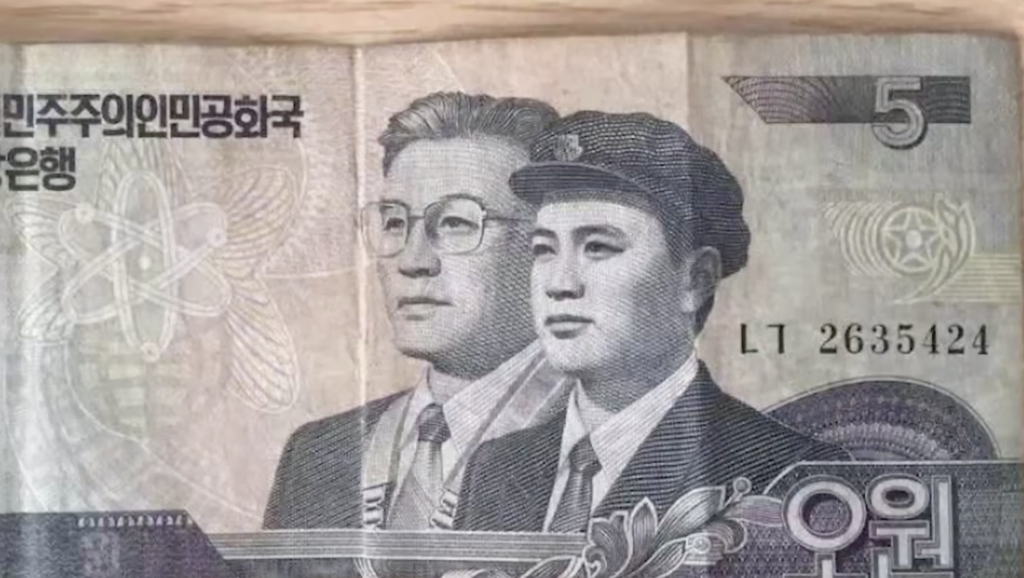
Tourists generally cannot use the North Korean won for everyday purchases. Instead they pay in US dollars, euros, or Chinese yuan, and only in designated areas.
Shopping is restricted to specific stores approved for foreign guests. Wandering into a local market meant for citizens usually brings intervention from guides or authorities, and souvenirs involving local currency or restricted items can be confiscated or cause legal problems.
Which brings the whole picture into focus. None of these rules are really about jeans, haircuts, or films.
They’re about limiting what people see of the outside world, and the punishments exist to make sure nobody tests where the boundary sits.