Imagine if the ground beneath your feet could provide nearly limitless energy. Instead of depending on coal, oil, and natural gas, countries could drill deep into Earth’s crust and tap into the enormous heat constantly being produced beneath the surface.
Geothermal energy already powers homes, businesses, and entire communities in some parts of the world. But if humanity managed to harness Earth’s deep heat on a global scale, the consequences could be enormous.
The biggest question would be whether this underground energy source could become reliable enough to replace most of the fossil fuels we use today.
Deep beneath Earth’s crust lies intensely hot rock and magma. Much of this heat comes from radioactive elements such as uranium, thorium, and potassium, while additional heat is produced by geological activity and friction associated with moving tectonic plates.
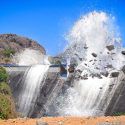
We can see evidence of this enormous underground energy on the surface through geysers, hot springs, and volcanic activity. The deeper scientists drill, the more heat they can potentially access, with some estimates suggesting that the thermal energy stored within the upper part of Earth’s crust vastly exceeds humanity’s known fossil fuel resources.
The challenge is turning that heat into usable energy.
One approach takes advantage of natural underground water systems. Water seeps into the Earth’s crust, becomes heated by hot rock, and eventually rises toward the surface. Engineers can capture that hot water or steam and use it for heating or electricity generation.
Geothermal power plants can also drill deep wells directly into hot underground formations. Hot water and steam are brought to the surface, where their energy can generate electricity. The cooled water can then be injected back underground, helping maintain the system and extend its useful life.
There is a potential downside. Enhanced geothermal systems can require high pressure water to be injected deep underground to fracture hot rock and improve circulation. Similar techniques have been associated with induced earthquakes, meaning engineers would need to carefully manage these risks as geothermal technology expands.
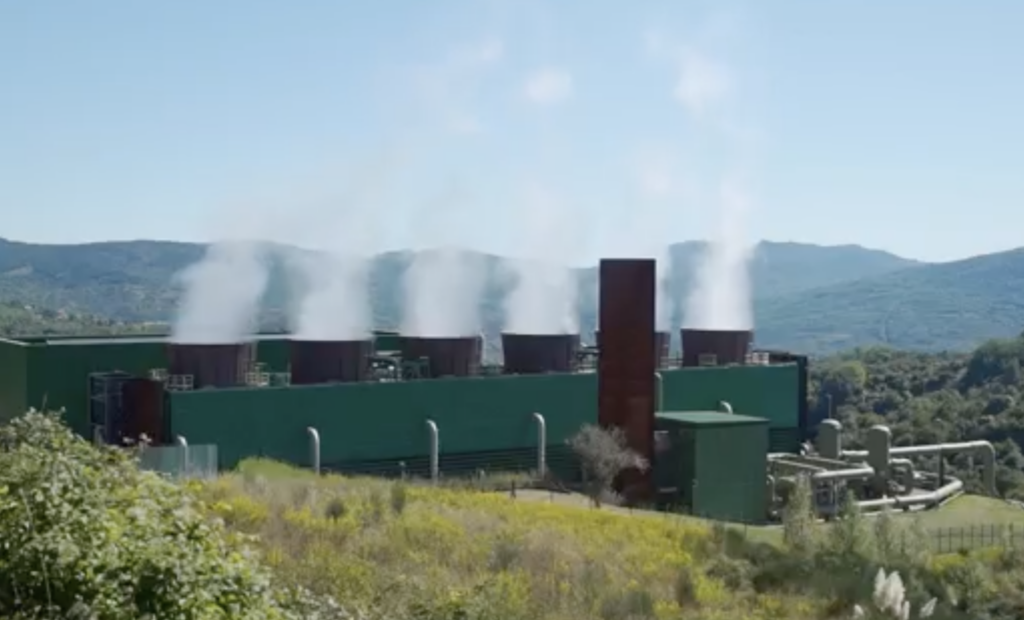
Still, geothermal energy has one major advantage over wind and solar: it can operate continuously. It does not depend on sunshine, clouds, or wind conditions, making it a potentially valuable source of constant electricity.
Iceland provides a glimpse of what a geothermal future could look like. The country has made extensive use of its abundant geothermal resources for heating and electricity, while Reykjavik even uses geothermal hot water beneath sidewalks to melt snow during winter.
On a global scale, abundant geothermal power could transform much more than electricity. Heated greenhouses could allow countries to grow crops throughout the year, even in cold climates, while geothermal energy could support aquaculture and provide reliable heat for industrial processes.
There would still be a major obstacle: cost.
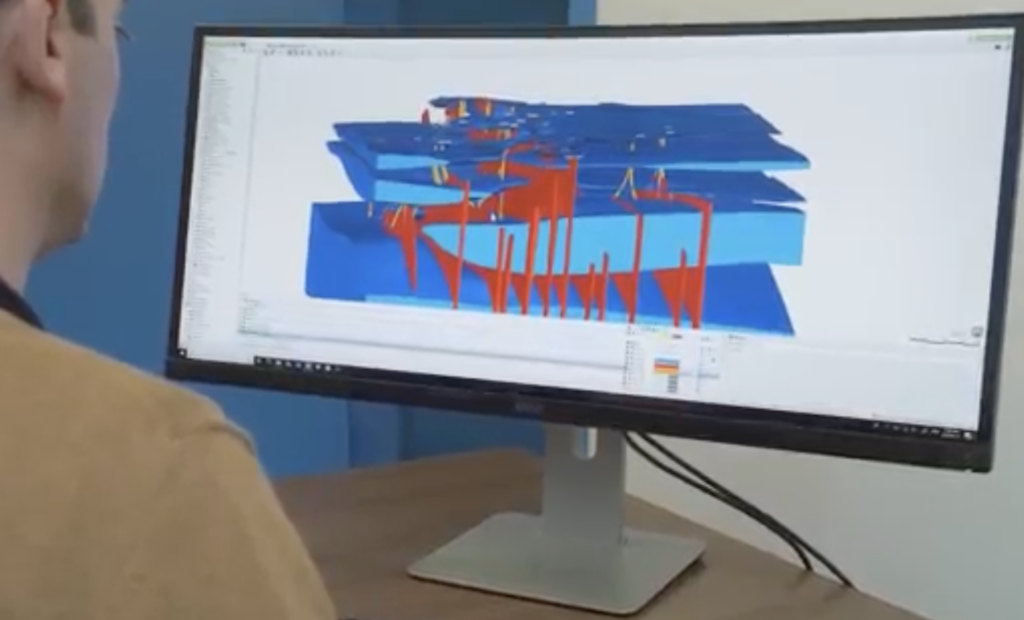
Drilling several kilometers into the Earth’s crust requires specialized equipment and can cost millions of dollars for a single well. Deeper drilling becomes increasingly expensive, although advances in drilling technology could eventually reduce those costs.
Home geothermal heat pumps also require significant upfront investment, but they can substantially reduce heating and cooling expenses over time.
If these barriers were overcome, geothermal energy could become a major part of a cleaner global energy system. Fossil fuel consumption could fall dramatically, while reliable underground heat provided a constant source of power.
Earth has been producing this heat for billions of years. The real challenge is not finding the energy, but developing technology capable of reaching it cheaply, safely, and on a scale large enough to power the world.