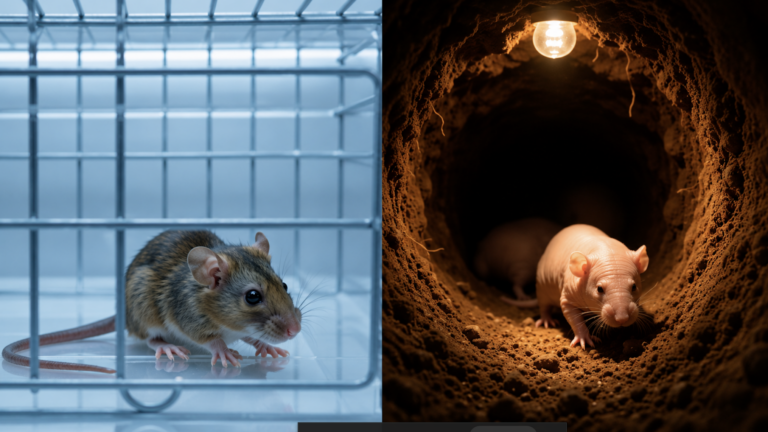
What if reaching 150 years old was no longer science fiction? Imagine a world where aging slowed dramatically, cancer became far less common, and your body could repair itself more efficiently than ever before. While researchers have not discovered a true fountain of youth, they may have found important clues in one of the most unusual animals on Earth.
The unlikely star of this story is the naked mole rat. With its wrinkled skin, protruding teeth, and nearly hairless body, it is often considered one of the least attractive animals in the animal kingdom.
Yet beneath its strange appearance lies a biological mystery that has fascinated scientists for decades.
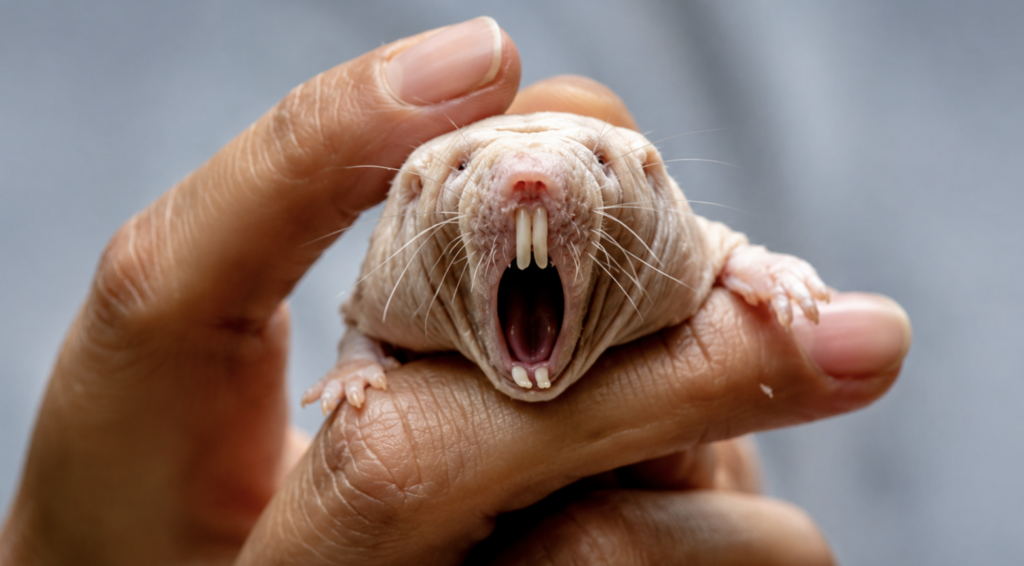
Unlike most rodents, naked mole rats live remarkably long lives. While a typical mouse survives for only a few years, naked mole rats can live for more than 40 years. Even more surprising, they show an extraordinary resistance to many age related diseases that commonly affect other mammals.
Cases of cancer among naked mole rats are extremely rare, and they appear to remain healthier for much longer periods of their lives.
Scientists have spent years trying to understand what gives these animals such impressive longevity. One of the most important discoveries involves a substance known as hyaluronic acid, a thick, jelly like material found throughout their bodies. This protective substance surrounds cells and tissues, helping maintain their structure and function. Naked mole rats naturally produce extremely large amounts of a special form of this jelly, far more than humans do.
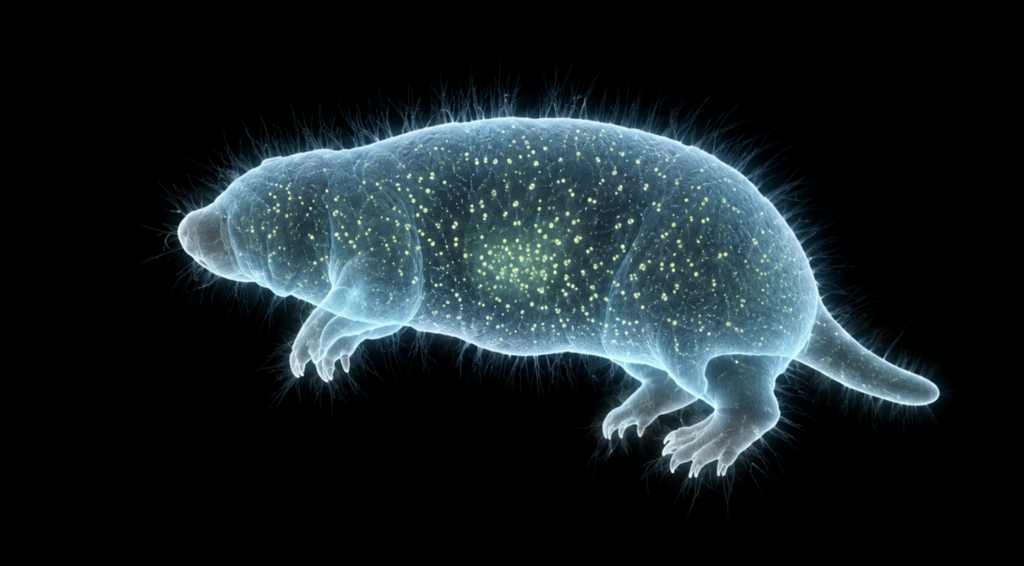
Researchers believe this unique substance plays a major role in protecting the animals from disease and age related damage. To test the theory, scientists introduced the naked mole rat gene responsible for producing this enhanced protective jelly into ordinary laboratory mice.
The results were remarkable. The genetically modified mice lived longer than normal mice and experienced significant health benefits throughout their lives. They showed reduced levels of chronic inflammation, a condition linked to many diseases associated with aging.
They were also less likely to develop cancer and other serious illnesses. Overall, the mice lived roughly four percent longer than their unmodified counterparts.
While four percent may not sound dramatic, it represents a significant achievement in aging research. More importantly, the mice were healthier during their extended lives, suggesting that scientists may be able to improve both lifespan and quality of life.
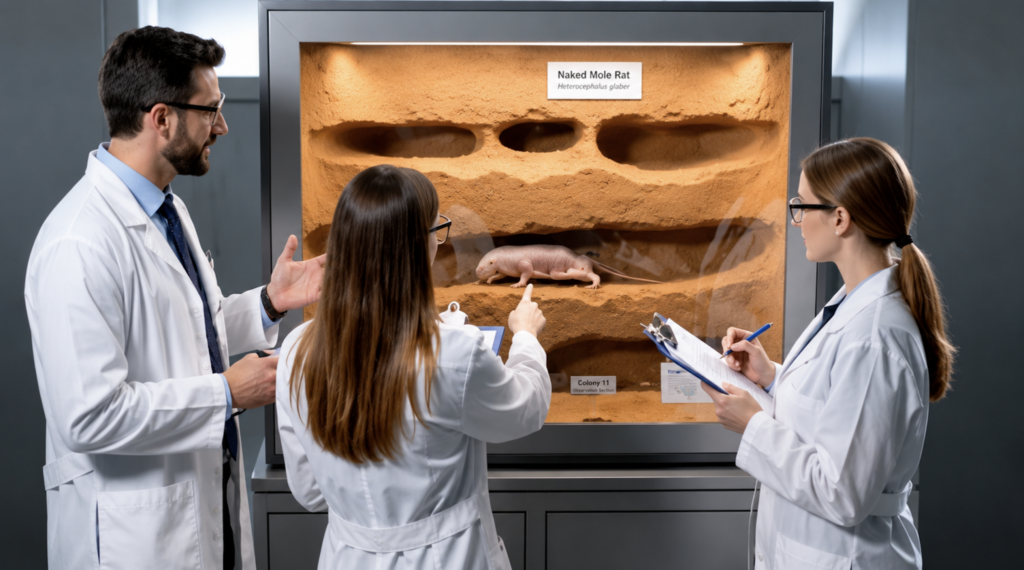
The naked mole rat’s advantages do not end there. Researchers have also discovered that these animals possess highly efficient cellular repair mechanisms. Their bodies appear exceptionally skilled at identifying and fixing damage within cells before it can accumulate and cause serious health problems. This ability may contribute to their resistance to aging and disease.
Some experts believe that understanding these biological processes could eventually lead to groundbreaking medical treatments. In the future, therapies inspired by naked mole rat biology might help humans heal injuries more effectively, protect against cancer, and potentially slow the aging process itself.
Some researchers even speculate that these discoveries could one day contribute to regenerative medicine capable of restoring damaged tissues or organs.
Of course, many challenges remain before such treatments become reality. Experiments that work in mice do not always produce the same results in humans, and scientists still have much to learn about the complex mechanisms behind aging.
Even so, the naked mole rat offers a fascinating glimpse into what may be possible. The secrets to a longer, healthier life may not be hidden in mythical fountains or futuristic technology. Instead, they could be found in one of nature’s strangest creatures, quietly living underground and revealing new clues about how we age.
If scientists can successfully apply these lessons to humans, living to 150 years old may one day become more than just a dream.