






Don’t Miss the Full Video Story Below
What if the past was not really gone forever? Creatures like the saber toothed tiger, the woolly mammoth, and the dodo bird once roamed Earth, but are now classified as extinct. In many cases, human activity is believed to have played a major role in their disappearance.
Today, scientists are exploring whether these lost species could return through advanced genetic science, raising a huge question: if we brought them back, would nature still stay in balance or change forever?
The Rise of De-Extinction Science
A growing field known as de extinction is attempting to revive extinct species using preserved genetic material. In simple terms, scientists study ancient DNA and compare it with living animals to rebuild missing genetic code. This is not science fiction anymore, but a developing area of biotechnology.
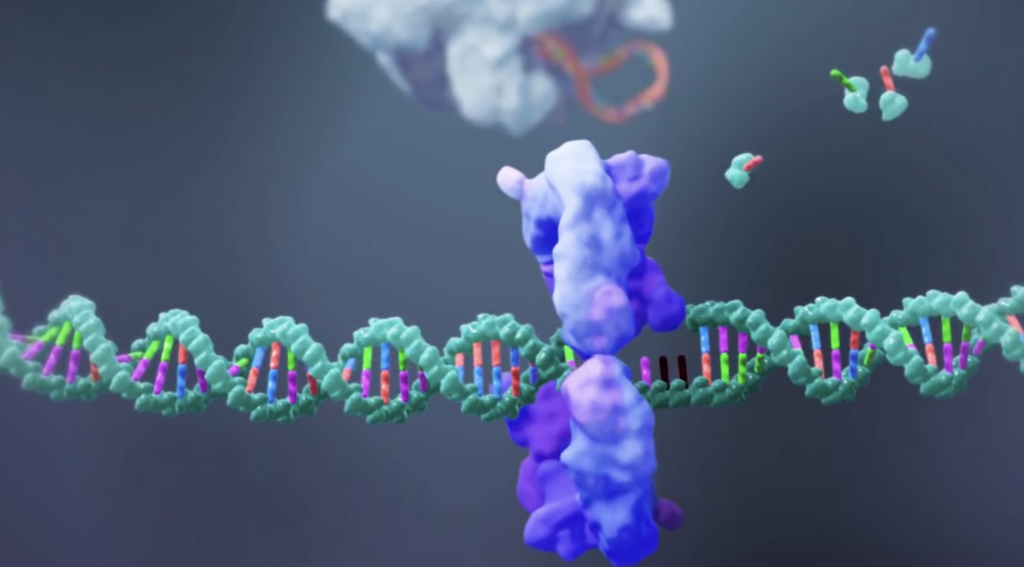
However, there is a major limitation: DNA breaks down over time. After roughly 1.5 million years, it becomes unreadable, which means dinosaurs are far beyond recovery. Their extinction is simply too ancient for modern science to reverse.
Why Mammoths Are the Main Candidate
One of the strongest candidates for de extinction is the woolly mammoth. These Ice Age giants survived until about 3,600 years ago, meaning their DNA is still relatively recent in scientific terms. Researchers believe they could be recreated by combining mammoth genes with those of modern elephants.
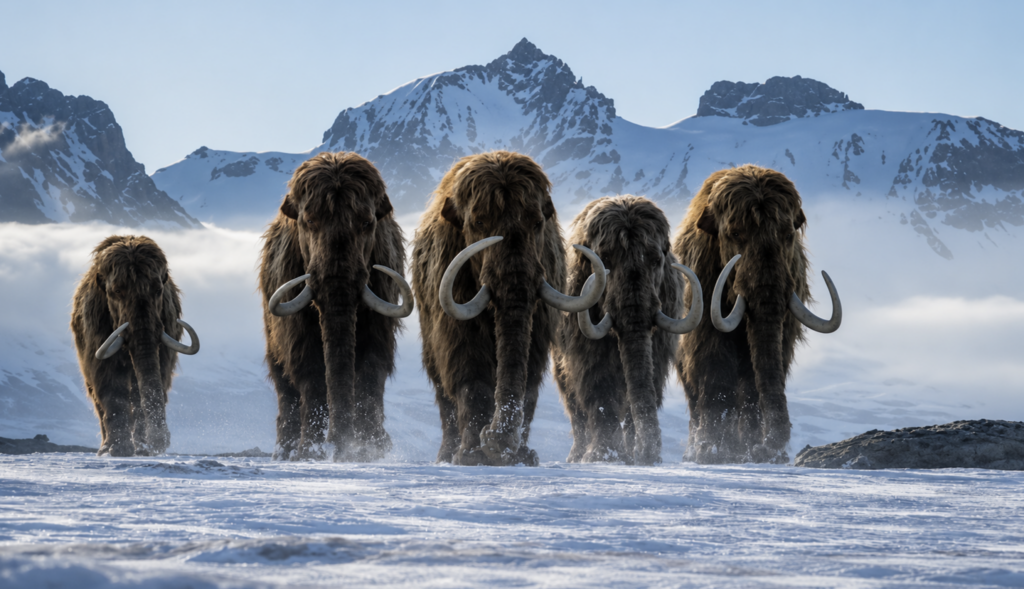
The goal would be to produce a hybrid species that gradually resembles the original mammoth over generations. If successful, this process could take thousands of years, slowly reintroducing a long lost species back into the natural world.
Other Possible Returns From Extinction
If mammoths can be revived, other extinct animals could also become candidates. Species such as the dodo bird, the giant short faced bear, and even prehistoric wild dogs are often discussed in scientific circles. Some ideas go even further, suggesting the possibility of recreating early human relatives like Neanderthals.
However, this raises serious concerns, as such beings may not be able to survive in today’s environment due to modern diseases, diets, and ecological changes that did not exist in their original time period.
The Risks of Reintroducing Lost Species
Even if de extinction becomes possible, controlling revived species would be extremely difficult. Scientists would need to consider how these animals would interact with modern ecosystems. For example, a large predator reintroduced into today’s environment could disrupt existing food chains or compete with endangered species.
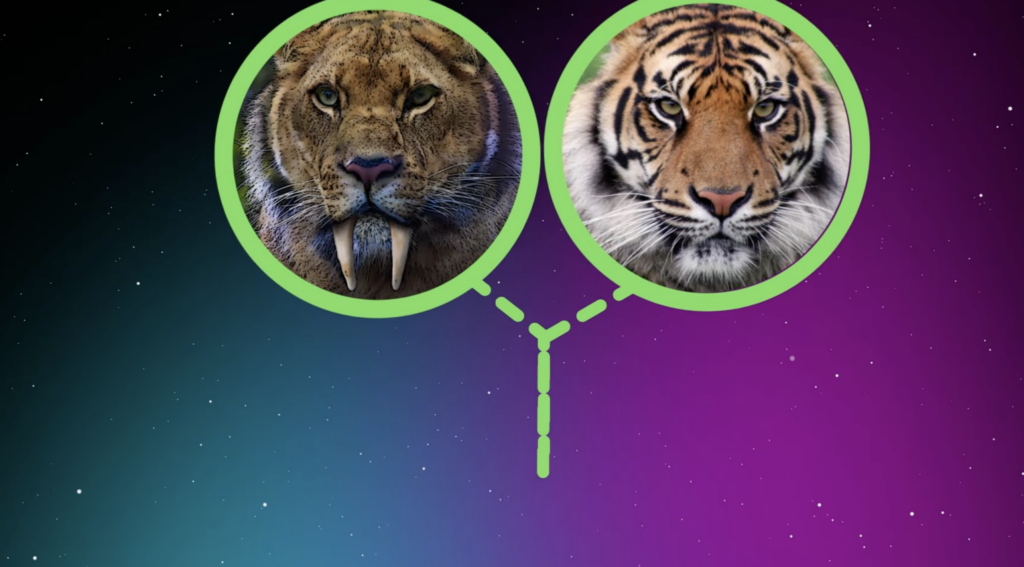
There is also the risk of unpredictable breeding behaviors or unintended ecological consequences. Without natural balance, revived animals could cause more harm than benefit to the environments they are placed into.
Should Extinct Species Be Brought Back at All?
Beyond science, there is an ethical question that cannot be ignored: why are we bringing them back in the first place? While the idea of seeing mammoths or dodos alive again is fascinating, critics argue that it may serve entertainment more than necessity. Some even worry it could reduce urgency in protecting endangered species today.
If extinction can be reversed, people might become less careful about preventing it. This leads to a deeper conclusion: protecting life now may be more important than reviving what is already gone.