Body-crushing pressure. Toxic atmospheres. Unbearable temperatures. That’s what would be in store if you visited other planets in our Solar System. But what other environmental hazards would you encounter? Which planets would be the safest and which would be the most dangerous? And how long could you survive on any of them?
Before you get started on your journey through the Solar System, you should pack a bottle of water. Earth is the only planet known to have consistent bodies of liquid water on its surface. So if you pack enough, you could probably survive a few days just about anywhere, right? Well, sorry to say, I’ve got some bad news for you.
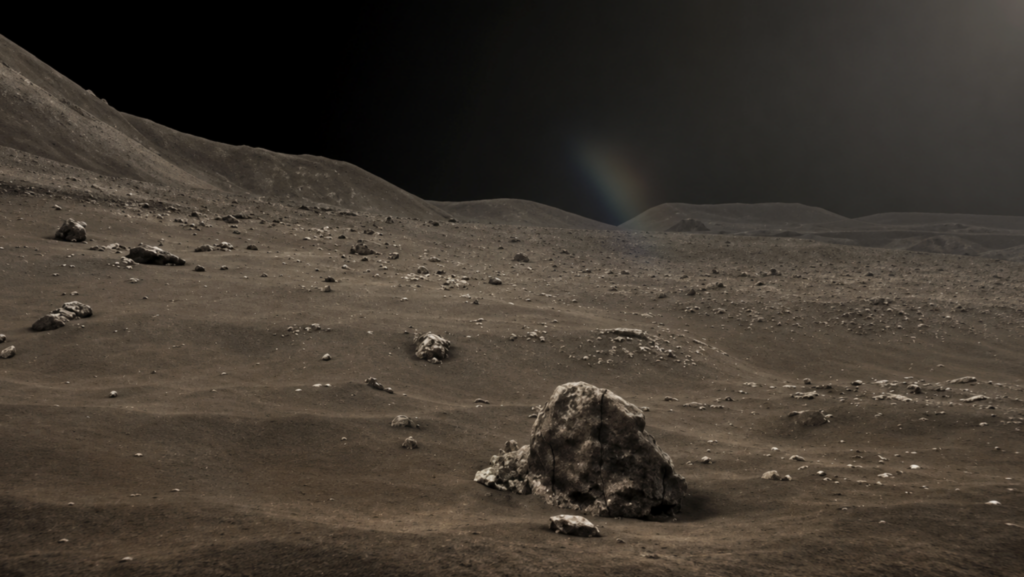
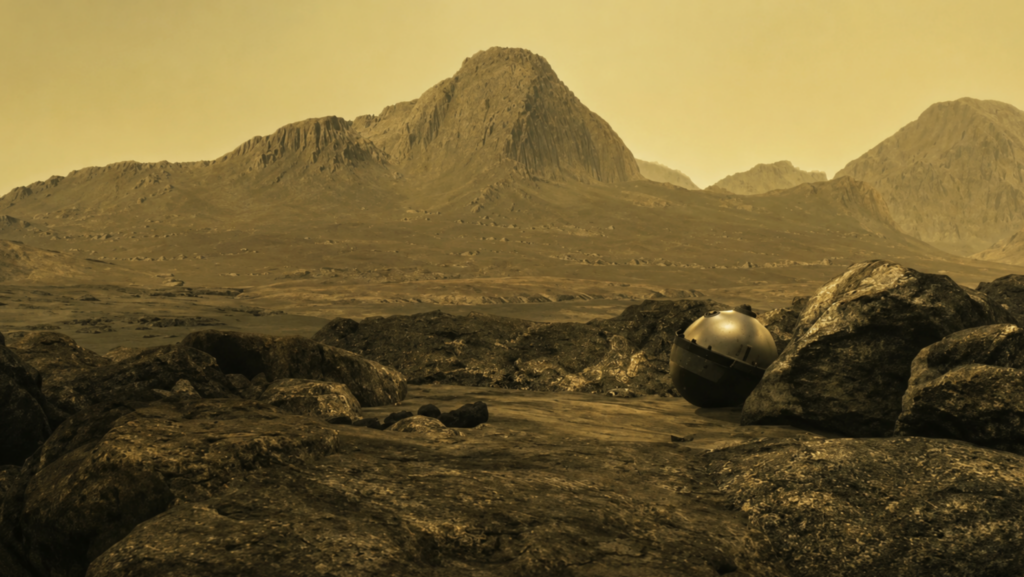
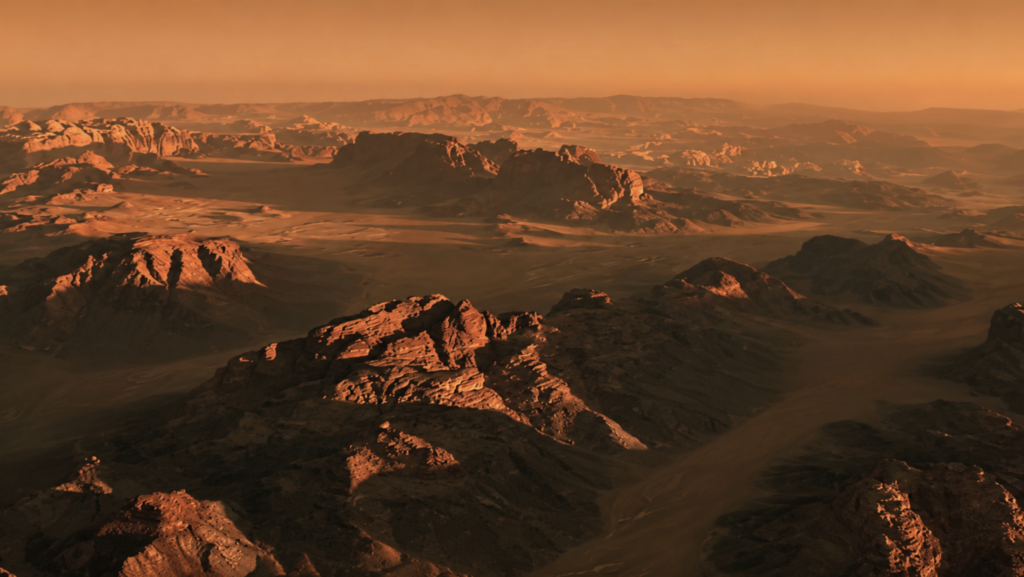
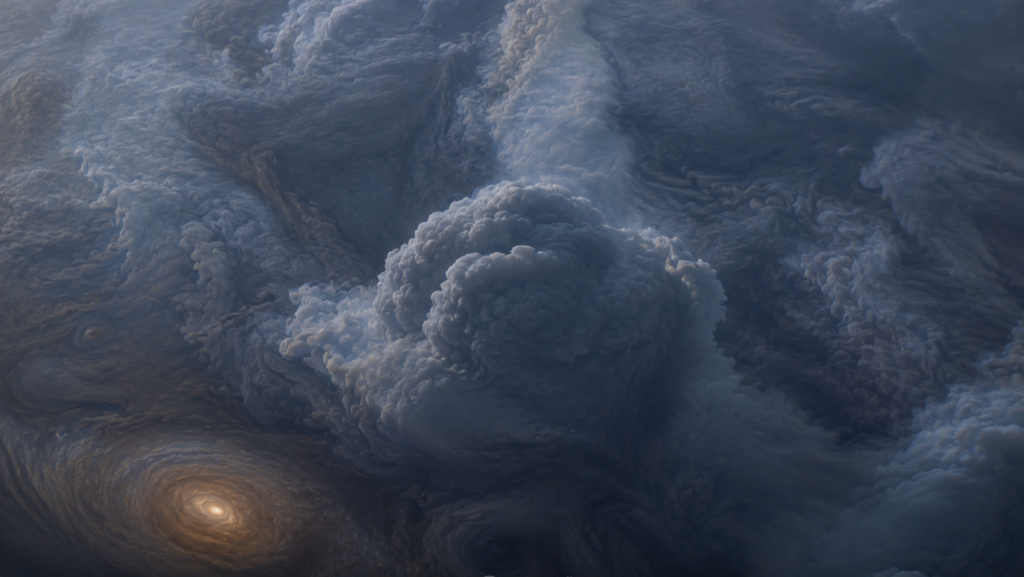
Let’s start with a visit to Mercury, the smallest planet in the Solar System. This rocky, crater-filled planet is only slightly larger than our Moon. And it’s located extremely close to the Sun at a distance of 58 million km (36 million mi). Even though a day on Mercury equals about 59 days on Earth, your trip wouldn’t last anywhere near that long. Due to this slow rotation, you could land on the sunny half, where temperatures reach 430 °C (800 °F). Or maybe you’d aim for the dark side, where temperatures drop to -180 °C (-290 °F). Your best bet would be to find a cozy spot somewhere in between. But with an atmosphere mainly composed of oxygen, sodium, hydrogen, helium and potassium, good luck breathing for very long. Even in this middle ground, you wouldn’t likely survive more than two minutes.Let’s check out what a day would be like on the second planet from the Sun, Venus. You should expect a very warm welcome because surface temperatures are a piping hot 475 °C (900 °F). And one day on Venus lasts 243 Earth days. Unless you’ve got an impossibly robust spacecraft, you couldn’t get very close to the surface. And even if you did, you wouldn’t last very long. Venus has a thick and toxic atmosphere with 154,000 times more carbon than the atmosphere of Earth. And it’s shrouded in yellowish clouds of sulfuric acid. You could say the Venusian atmosphere is a runaway greenhouse effect. Between the toxicity and the heat burning you to a crisp, you wouldn’t survive one second on Venus.Now, let’s skip on over to Mars. Unless you wanted to stop back on Earth for a couple of breaths of fresh air. On Mars, you’d find comfort in a day that is a little over 24 hours. What you wouldn’t find comfortable is an atmosphere of carbon dioxide, argon, nitrogen and a little bit of oxygen and water vapor. The surface of Mars is cold, with an average temperature of -62 °C (-80 °F). Combine surface temperatures too low to conform and unbreathable air, and you wouldn’t survive much more than a few minutes here either.Jupiter might be bulky, but it rotates fast. One day lasts a mere 10 Earth hours. And because it’s so fast, Jupiter’s atmosphere has strong jet streams. Plus, the Great Red Spot that is a storm bigger than Earth. If you fell into the planet, you would enter the atmosphere at a whopping 49 km/s (30 mi/s). And as you kept falling, the atmosphere would become denser and more turbulent. If you made it 692 km (430 mi) down, you would find pressure levels higher than at the bottom of the Mariana Trench. If the pressure didn’t kill you, the temperature, which averages -145 °C (-229 °F), certainly would. You wouldn’t survive on Jupiter for one second.Now, if you continued on to Saturn, you’d find another gaseous giant without a surface. And, like Jupiter, a day that lasts about 10.7 hours. Here you would experience deadly strong winds reaching up to 1,800 km/h (1,118 mph). With an unbreathable atmosphere made of hydrogen and helium, Saturn is incapable of supporting life. But maybe you would have more luck on one of its moons. Take Titan and Enceladus. These two moons have internal oceans, which could theoretically support life.Moving onto the first of the ice giants in our Solar System, Uranus. Uranus has a day that lasts about 17 hours. It also has an unbreathable atmosphere of hydrogen, helium and methane, which gives the planet its signature blue-green color and the stink of rotten eggs. There are some other unusual hazards on Uranus you’d need to be prepared for, such as mysterious flares of X-rays and lethal diamond rain. Highly compressed diamonds of carbon atoms raining down from the atmosphere. But don’t worry. The immense pressure would kill you in less than a second.Last but not least, Neptune. A dark, cold planet with supersonic winds as strong as 2,000 km/h (1,200 mph). That’s faster than the top speed of a fighter jet. So if the pressure didn’t kill you, those supersonic winds would probably do the trick. A day on Neptune would last for 16 Earth hours. But your life there wouldn’t last a second. So in case it isn’t clear, Earth would be the only planet you want to visit anytime soon. Just about anywhere else, you could look forward to a deadly cocktail of high pressure and toxic gas.
What would happen if we tried to dump all our trash on Jupiter? It might sound like a perfect solution, but the reality would be far more dangerous than you think. A...
TOI 849b is one of the largest rocky planets ever discovered. It’s a massive, desolate world with zero atmosphere, orbiting incredibly close to its star. Temperatures...
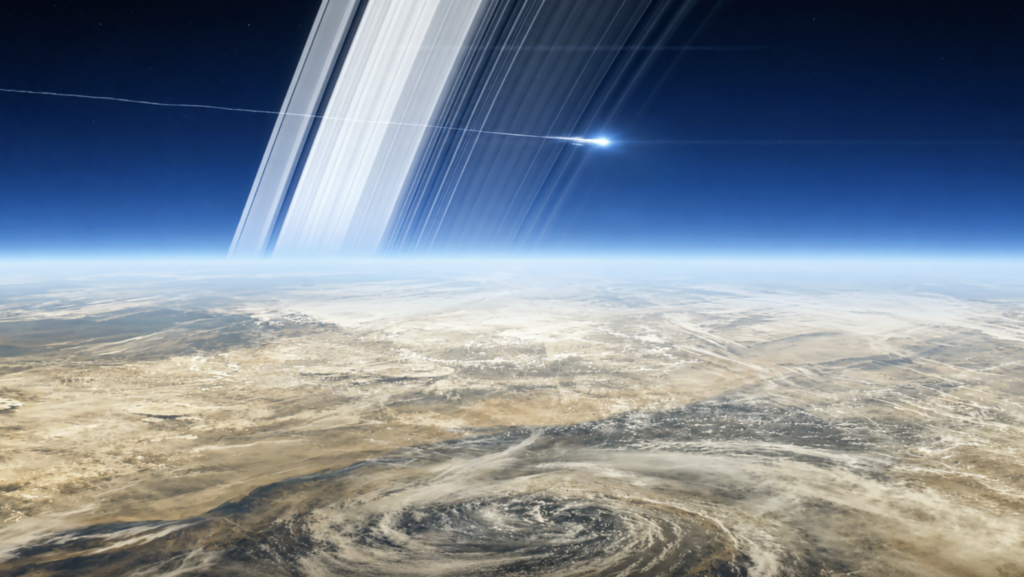
Throughout human history, there have been rare moments when a single person stood between disaster and survival. These individuals were not superheroes or fictional...
The truth is that the Universe works in ways that are far more complex and fascinating than most of us realize. These misunderstandings often come from how we try to...