
A knock comes at your door in the middle of the night. Your neighbors are gathered outside. Someone points a finger and makes an accusation that will change your life forever.
You’re a witch.
Now you face an impossible choice. Deny the charge and risk execution. Confess, accuse others, and you might survive.
This terrifying reality confronted dozens of people in Salem, Massachusetts, during one of the most infamous episodes in American history.

The Salem Witch Trials began in 1692 when two young girls, Elizabeth Parris and Abigail Williams, started suffering from strange fits. They screamed, twisted their bodies into unusual positions, and behaved in ways that alarmed the community.
A local doctor examined them but could find no physical cause for their symptoms. His conclusion was simple and frightening: the girls had been bewitched.
Soon, the girls accused three women of practicing witchcraft. One was Tituba, an enslaved woman from the Caribbean. The others were Sarah Good, a homeless beggar, and Sarah Osborne, an elderly woman who was already unpopular within the community.
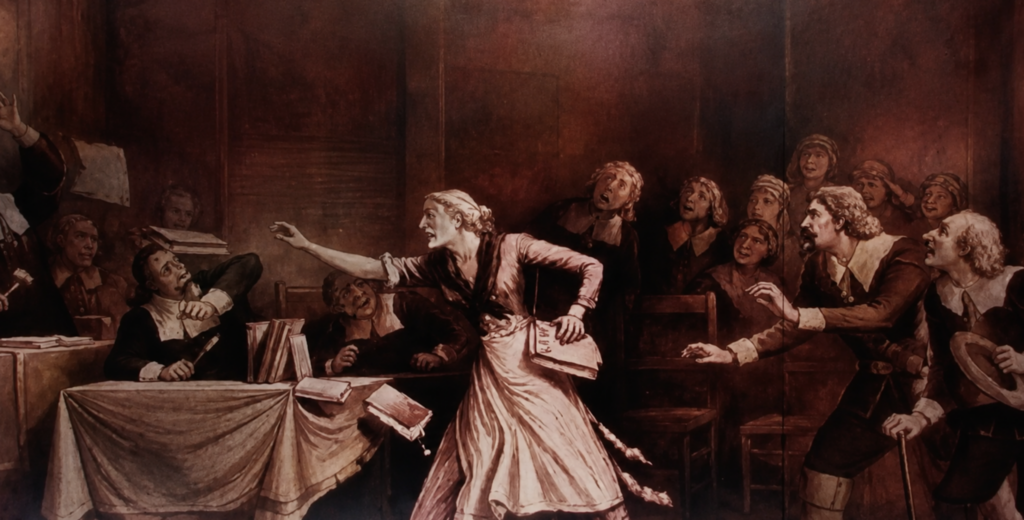
While Good and Osborne denied the accusations, Tituba confessed. She claimed that witches were working throughout Salem in service to Satan. Her confession ignited panic across the town.
What followed became known as the Salem Witch Trials.
Over the next several months, more than 150 people were accused of witchcraft. The accusations spread rapidly, crossing social and economic boundaries. Friends accused friends. Neighbors turned against neighbors. Entire families found themselves under suspicion.
By the time the hysteria ended, 25 people had lost their lives.
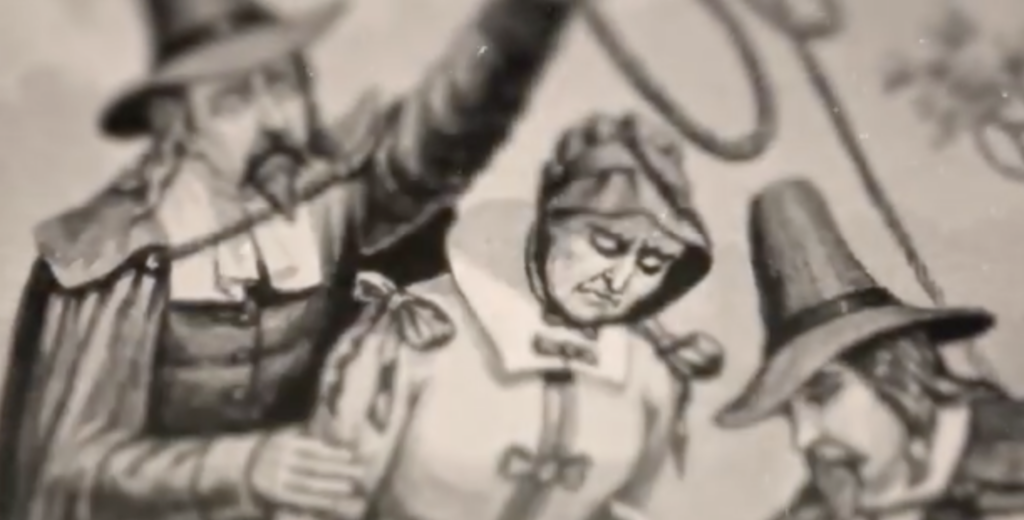
But was Salem really overrun by witches?
Many historians believe the answer is no.
To understand what happened, it’s important to look at the world the Puritans lived in. In colonial New England, belief in witchcraft was common. Many people genuinely believed that Satan and his followers could influence everyday life.
At the same time, Salem was experiencing enormous stress. The community had recently endured a smallpox epidemic, fears of attacks on the frontier, and ongoing political and economic tensions. Anxiety was already running high.
Into this atmosphere came the accusations.
Many experts point to mass hysteria as a likely explanation. Mass hysteria occurs when fear and anxiety spread through a group, leading people to believe things that have little or no evidence behind them. Once accusations began, panic took over.
Personal grudges may also have played a role. Accusing someone of witchcraft provided a powerful way to damage a rival’s reputation, settle disputes, or gain influence within the community.
The Salem Witch Trials serve as a reminder of what can happen when fear overwhelms reason. While the people of Salem believed they were fighting evil, history suggests they were actually caught in a cycle of paranoia, suspicion, and false accusations.
More than three centuries later, the Salem Witch Trials remain one of history’s most powerful warnings about the dangers of mass panic and the human tendency to seek scapegoats in times of crisis.