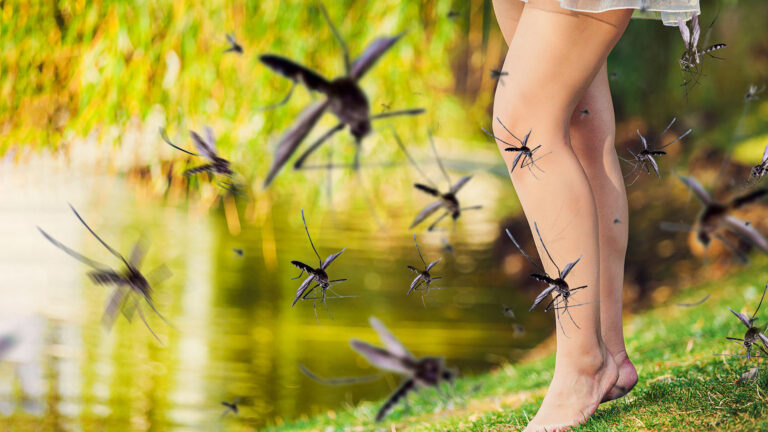
What is the deadliest animal on Earth?
A shark? A lion? A snake?
Think smaller.
Much smaller.
The answer is the mosquito.
Despite their tiny size, mosquitoes are responsible for more human deaths than any other animal. They have contributed to the spread of deadly diseases for thousands of years, and if one mosquito can cause problems, imagine facing one trillion of them at once.
It sounds impossible, but a swarm that large would be unlike anything humans have ever experienced.
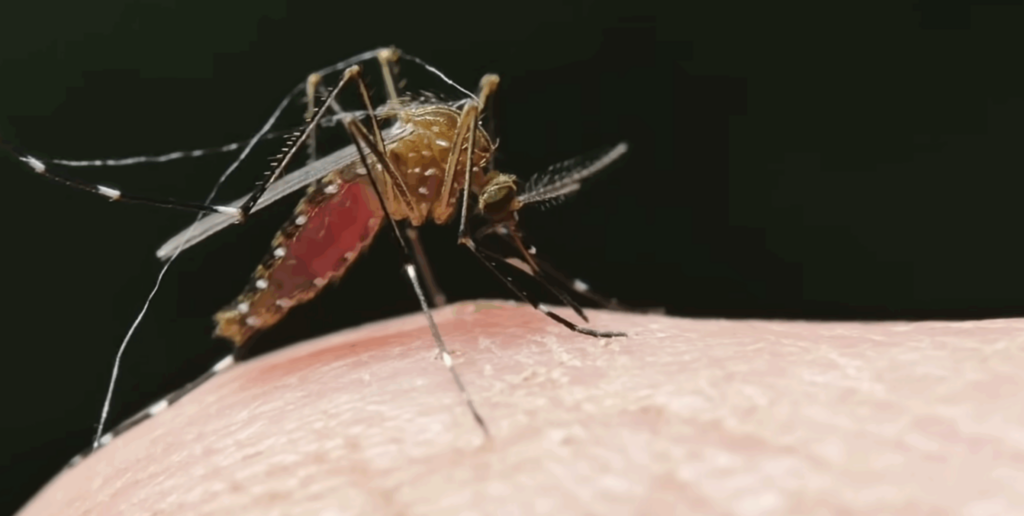
There are more than 3,000 mosquito species around the world, but only a few hundred species regularly bite humans. Female mosquitoes are the ones responsible for bites because they need protein from blood to produce their eggs.
The blood itself is not food for the mosquito. It is simply a resource needed for reproduction.
These tiny insects spread some of the world’s most dangerous diseases, including malaria, dengue, yellow fever, and West Nile virus. According to the World Health Organization, mosquito transmitted diseases kill more than 700,000 people every year.
But if one trillion mosquitoes attacked you, disease would not be your first concern. The immediate danger would be surviving the swarm itself.
The first thing you would need to do is reduce the number of mosquitoes reaching your skin. Female mosquitoes are attracted to several signals, including body odor, heat, and carbon dioxide from your breath.
Wearing long sleeves, long pants, and clothing with neutral colors would help reduce your chances of being targeted. Bright colors can make you easier to spot, while strong perfumes, deodorants, and scented products can attract mosquitoes.
Your breathing could also make you a target. Every time you exhale, you release carbon dioxide, which mosquitoes can detect from a distance. If you panic and start running or breathing heavily, you may become even more noticeable.
Your body temperature also matters. Mosquitoes are attracted to warmer bodies, so physical activity and sweating could make you more appealing.
Trying to fight back would be extremely difficult. Bug spray could help eliminate some mosquitoes, but using too much in a small area could create its own danger. An electric mosquito swatter would be almost useless against a swarm of one trillion insects, although the sound would be overwhelming.
The best chance of survival would be reaching medical help as quickly as possible.
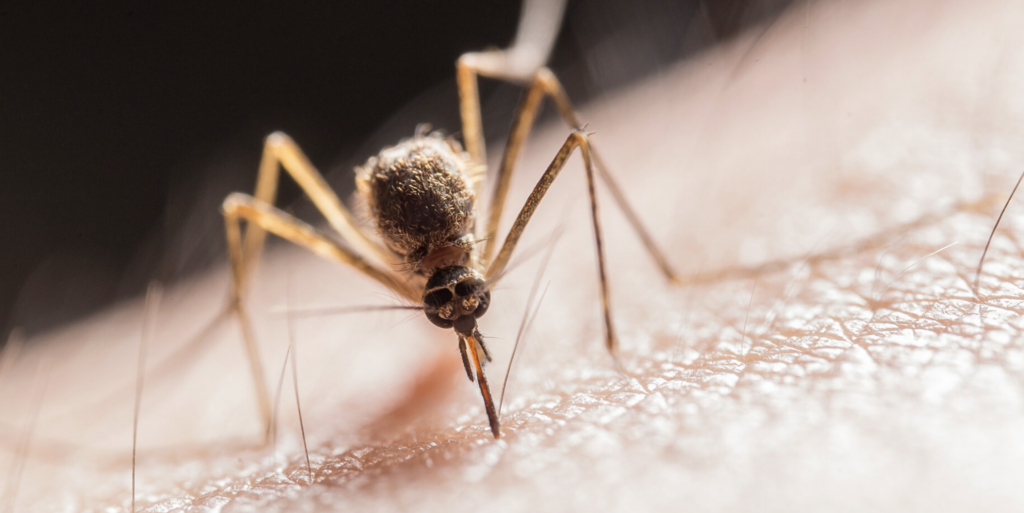
A single female mosquito only drinks about five microliters of blood during a meal. The average human body contains around 5.5 liters of blood, or about 5.5 million microliters.
That means roughly 1.1 million female mosquitoes could theoretically consume all the blood in a human body. But death would happen much sooner. Losing around 30% of your blood can cause hemorrhagic shock, leading to organ failure because the heart can no longer circulate enough blood.
After surviving the attack, medical testing would be necessary. Mosquitoes can transmit diseases with serious symptoms.
Malaria can cause fever, headaches, and vomiting, and it kills hundreds of thousands of people every year. Dengue and chikungunya can cause severe fever, joint pain, and muscle pain. Yellow fever can become deadly, while West Nile virus can lead to confusion, paralysis, coma, and even death.

The Zika virus can also be dangerous, especially during pregnancy, because it can affect fetal development.
Even after the mosquitoes are gone, the bites would still be a problem. Scratching might feel satisfying, but it can cause bleeding, infections, and more irritation.
Instead, treatments such as cooling gels, aloe vera, antihistamines, or cold compresses can help reduce itching and swelling.
Surviving one trillion mosquitoes would be almost impossible. Luckily, nature has never produced a swarm that large.
But the next time you hear a mosquito buzzing near your ear, remember that this tiny insect is one of the most dangerous creatures humans have ever faced.