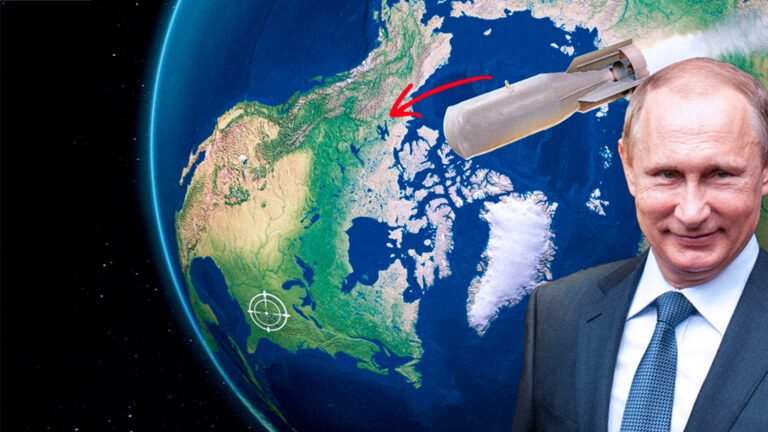
Since Russia’s invasion of Ukraine, one question has lingered in the minds of millions around the world. What would happen if Russian President Vladimir Putin ordered the use of nuclear weapons?
The possibility remains one of humanity’s greatest fears. Modern nuclear arsenals are vastly more powerful than those used during World War II, and any decision to launch them could reshape the planet within hours.
While experts believe such an event remains unlikely because of the devastating consequences for every nation involved, understanding how it could unfold reveals just how dangerous nuclear conflict would be.
The world has witnessed the destructive power of nuclear weapons only twice in warfare. In August 1945, the United States dropped atomic bombs on Hiroshima and Nagasaki, instantly killing an estimated 120,000 people. Tens of thousands more later died from injuries and radiation exposure.
Entire neighborhoods vanished in seconds, while intense heat vaporized structures near the explosions and caused catastrophic burns miles away.
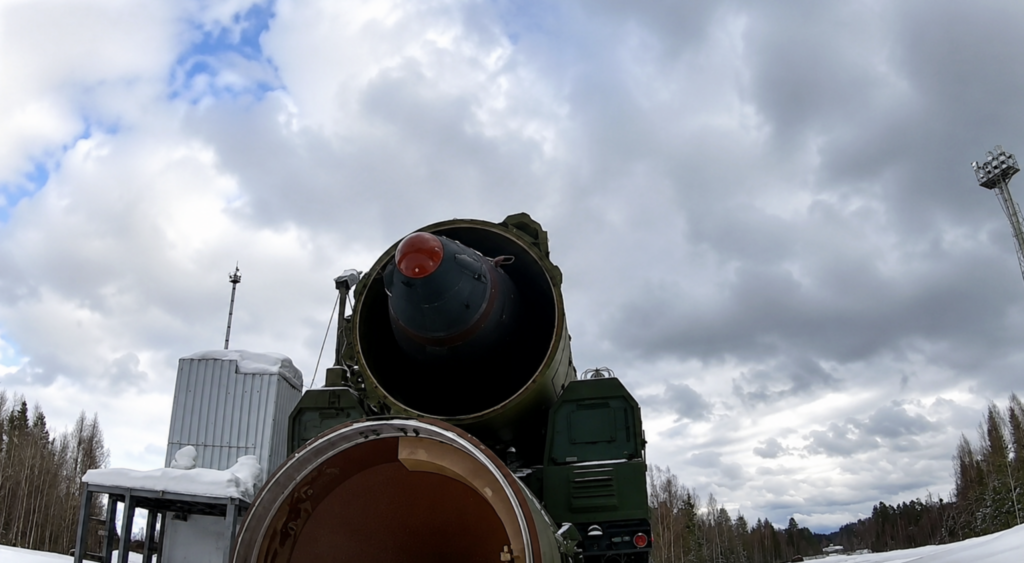
Today’s nuclear weapons are significantly more advanced, and Russia possesses one of the world’s largest nuclear stockpiles. Throughout the conflict in Ukraine, Russian officials have repeatedly reminded the world of that capability, raising concerns that tensions between nuclear powers could spiral into something far more dangerous.
Under Russia’s publicly stated nuclear doctrine, several situations could justify the use of nuclear weapons. One would be the detection of incoming ballistic missiles aimed at Russia or its allies. Another would involve attacks that cripple Russia’s ability to command or respond with its own nuclear forces.
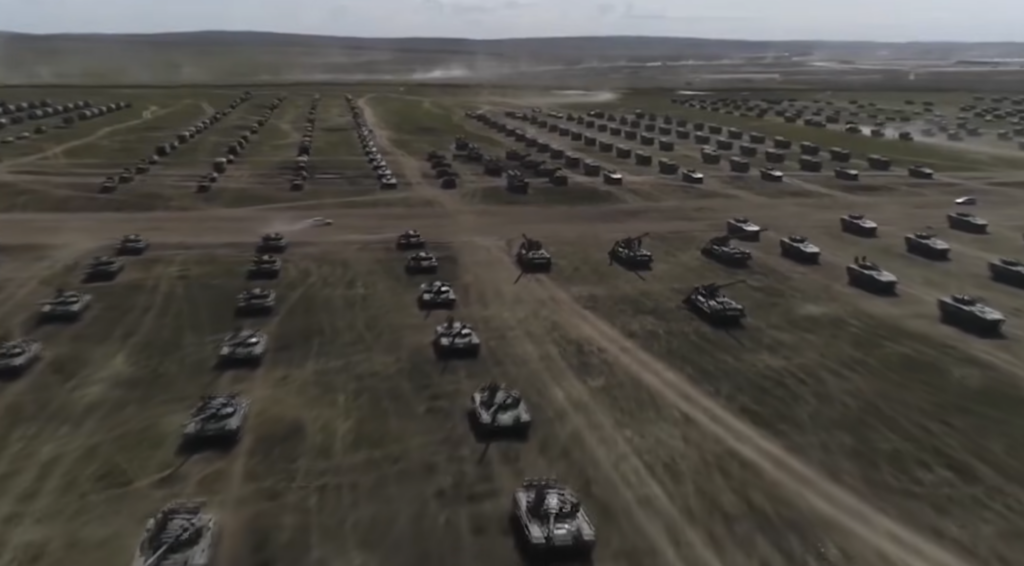
Perhaps the most concerning condition is if Russia believes a conventional military attack threatens the country’s very existence. Such broad language has fueled years of debate among military analysts about how Moscow might interpret a future crisis.
If a launch order were ever given, the process would begin with Putin using a secure communications system connected to a portable command device known as the Cheget. Rather than pressing a single launch button, authorization codes would be transmitted through Russia’s military command structure before being sent to missile crews responsible for carrying out the strike.
Russia also maintains backup command systems designed to ensure a launch could still occur even if senior leadership or command centers were destroyed. These redundant systems were built during the Cold War to guarantee retaliation under almost any circumstances.
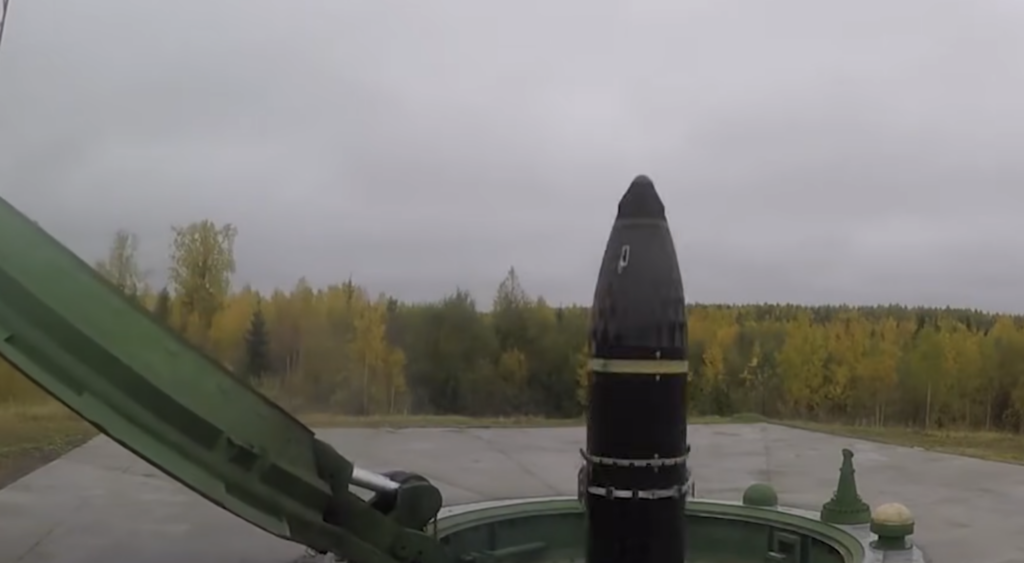
Once launched, intercontinental ballistic missiles traveling from Russia toward North America could arrive in roughly 30 minutes. Missiles fired from submarines positioned much closer to their targets could reduce that warning time to as little as 10 to 15 minutes.
The United States maintains satellites that constantly scan Earth for the infrared signature produced by missile launches. Within minutes of detecting an attack, military leaders would notify the president, and the country would have only a brief window to decide how to respond.
Most defense experts believe any confirmed nuclear strike against the United States would trigger an overwhelming retaliatory response involving land based missiles, strategic bombers, and nuclear armed submarines.
Because both Russia and the United States possess enough weapons to destroy each other many times over, this principle of mutually assured destruction has remained one of the strongest deterrents against nuclear war for decades.
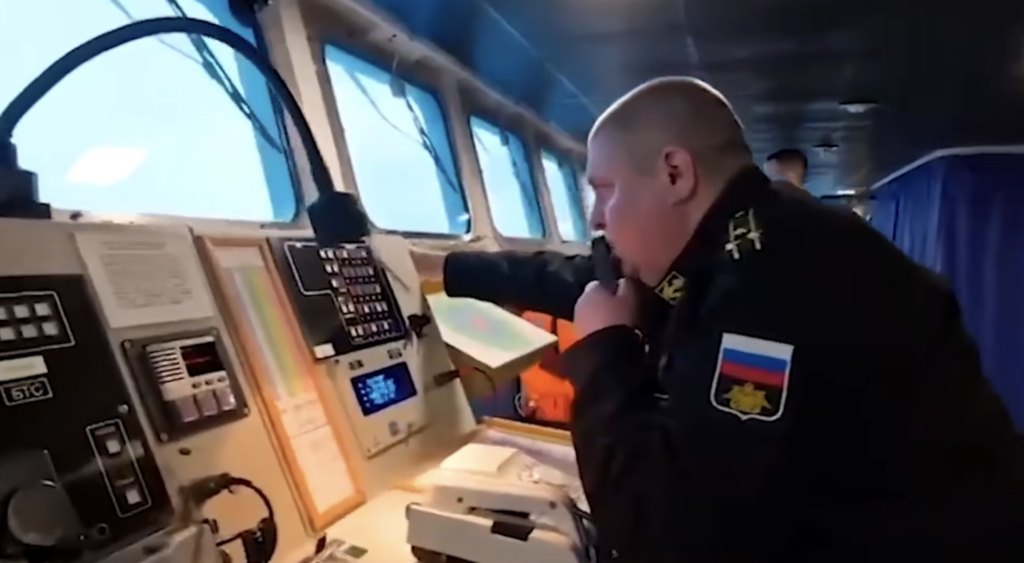
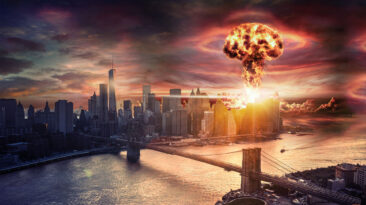
The humanitarian consequences would be almost impossible to comprehend. A single modern nuclear detonation over a major city could kill tens of thousands of people within seconds while injuring hundreds of thousands more. The blast wave would flatten buildings, thermal radiation would ignite fires across vast areas, and radioactive fallout could contaminate regions far beyond the immediate explosion.
If a large scale exchange between Russia and the United States escalated into the use of hundreds or even thousands of nuclear warheads, the effects would extend far beyond the battlefield. Massive firestorms could send enormous quantities of soot into the upper atmosphere, blocking sunlight and cooling global temperatures.
Scientists warn that this scenario, commonly known as nuclear winter, could shorten growing seasons, disrupt food production worldwide, and create humanitarian crises lasting for years.
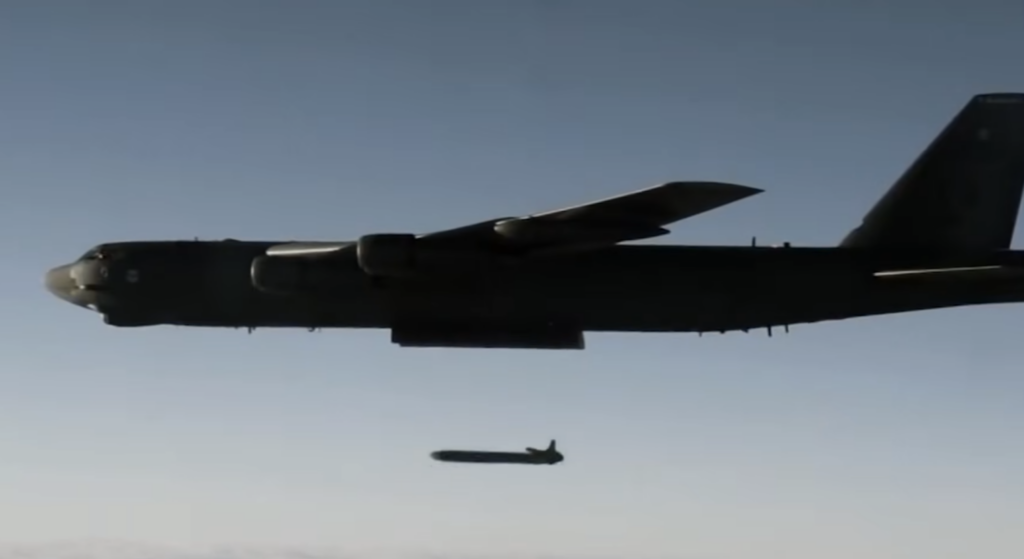
Despite these terrifying possibilities, most experts continue to believe that a deliberate full scale nuclear war remains unlikely. Any leader considering such an action would understand that retaliation would almost certainly guarantee catastrophic losses for their own country as well.
Multiple people participate in the command and control process, creating additional safeguards before any launch could occur.
The existence of nuclear weapons continues to shape international politics, but their greatest strength may lie in the fact that the consequences of using them are so devastating that no nation wants to experience what comes next.