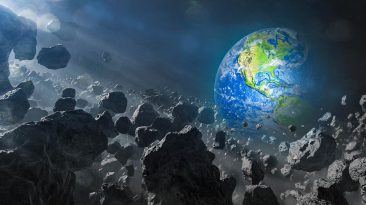
Earth Day is often a reminder of how fragile our planet really is. Every system on Earth is connected in ways that are easy to overlook, from atmospheric circulation to the chemistry of the oceans. Even something as simple as salt in seawater plays a critical role in keeping the planet stable. But what would happen if that balance suddenly disappeared and all of Earth’s oceans turned into freshwater?
At first, the idea sounds almost ideal. Unlimited clean water would remove one of humanity’s most serious resource concerns. Drinking water, agriculture, and sanitation would no longer face shortages. In a world where billions already struggle with access to fresh water, this scenario might seem like a solution rather than a disaster.
But Earth’s oceans are not salty by accident. Their composition is the result of billions of years of geological and chemical processes that continuously cycle minerals from land to sea.
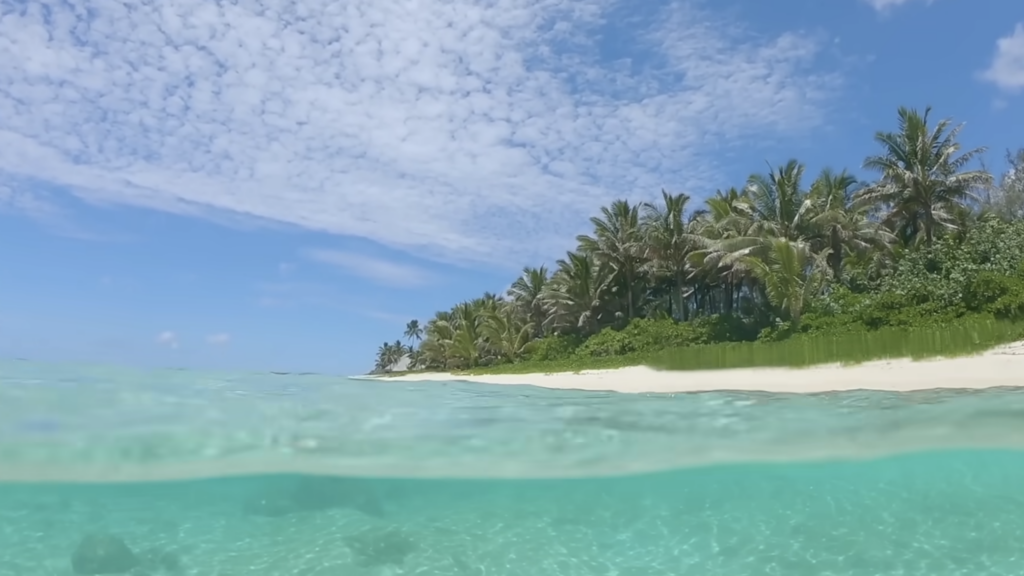
When rain falls, it absorbs carbon dioxide from the atmosphere, becoming slightly acidic. As it flows over rocks and soil, it slowly erodes minerals and carries dissolved salts into rivers. These rivers eventually transport those minerals into the oceans, where they accumulate over immense periods of time.
Under the ocean surface, additional sources of minerals contribute to this system. Hydrothermal vents and underwater volcanic activity continuously release dissolved elements, reinforcing the salt content of seawater. Over billions of years, this process has created a stable but highly saline global ocean.
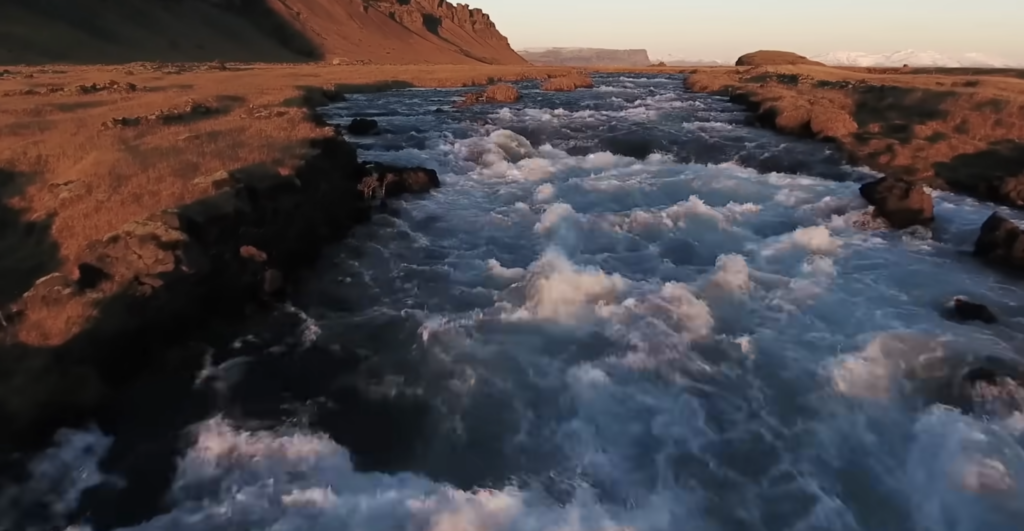
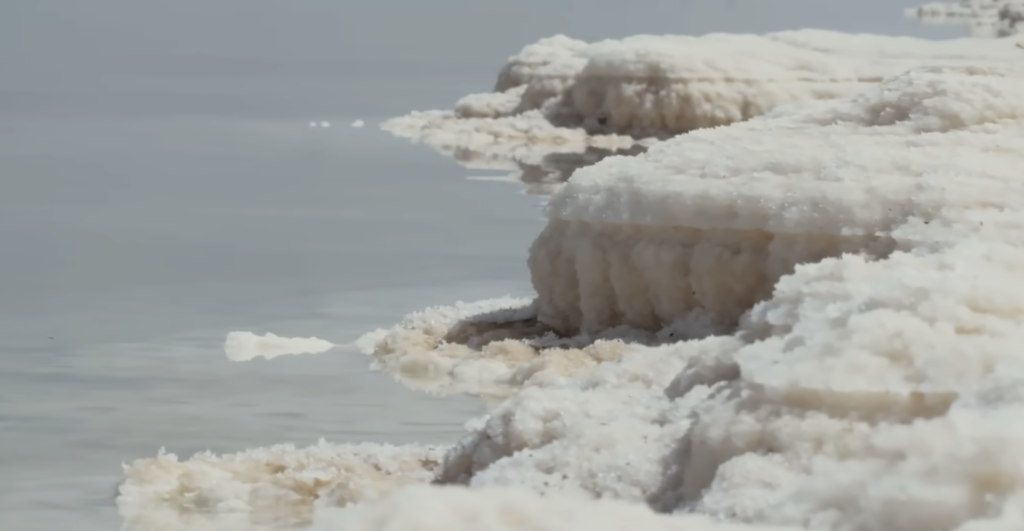
Today, the oceans contain so much salt that if it were removed and spread evenly across the continents, it would form a layer tens of meters thick. Around 97 percent of all water on Earth exists in this salty state, leaving only a small fraction available as freshwater.
If this entire system were suddenly altered and all ocean water became fresh, the consequences would begin immediately. The most direct impact would be on marine life, which is deeply adapted to saltwater environments.
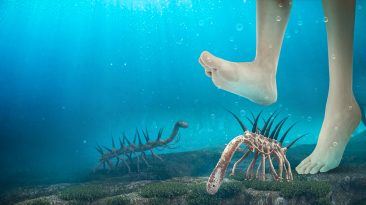
Ocean ecosystems depend on precise salt concentrations to regulate biological functions. Saltwater fish, for example, have specialized systems that allow them to balance internal salt levels while living in a highly saline environment. Removing that balance would make survival impossible for most marine species.
The scale of this impact is enormous. Hundreds of thousands of known marine species, along with potentially millions yet to be discovered, would be affected. Entire ecosystems would collapse as organisms that depend on saltwater chemistry lose their ability to survive.
One of the most critical losses would be marine algae. These microscopic organisms play a major role in global oxygen production and carbon dioxide absorption. A significant portion of Earth’s oxygen comes from ocean based photosynthesis rather than land plants.
If marine algae populations collapsed, oxygen production would decline while carbon dioxide levels would rise. This shift would intensify the greenhouse effect, causing global temperatures to become more extreme and less stable over time.
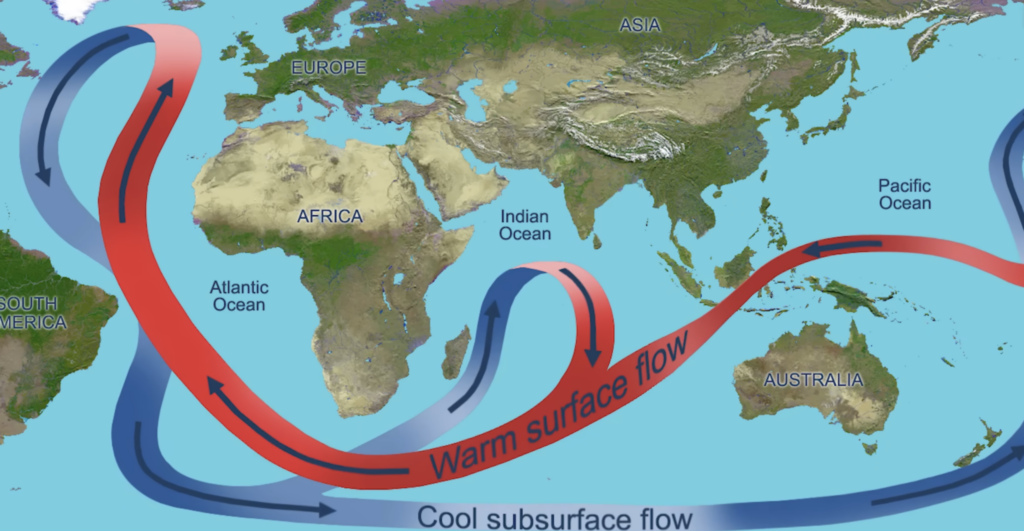
Changes would also appear in Earth’s climate systems. Ocean currents rely heavily on differences in temperature and salinity to circulate heat around the planet. Without salt, this system would break down.
Normally, warm water near the equator moves toward colder regions, while cooler water helps regulate tropical temperatures. Differences in salinity also influence water density, driving deep ocean circulation that stabilizes global climate patterns.
Without salt, these density driven processes would weaken or stop entirely. The result would be a more chaotic climate system, with extreme temperature differences between regions and disrupted weather patterns across the globe.
One likely outcome would be more intense weather near the equator, where heat would build up without the moderating influence of ocean circulation. At the same time, polar regions could become colder and more unstable as heat redistribution breaks down.
Storm systems would also become more unpredictable. Without stable ocean currents, atmospheric energy would distribute unevenly, increasing the likelihood of extreme weather events such as stronger hurricanes and prolonged heatwaves.
As ecosystems collapse, the effects would move up the food chain. With marine life disappearing and oxygen production reduced, land based ecosystems would also begin to fail. Plant life would struggle under changing climate conditions, leading to widespread agricultural collapse.
Human survival would become increasingly difficult as food systems break down. Crops depend on stable temperatures, reliable rainfall, and balanced atmospheric conditions, all of which would be disrupted in a freshwater ocean scenario.
In the long term, the transformation of the oceans into freshwater would not create a more livable planet. Instead, it would remove one of the key systems that regulate Earth’s climate, chemistry, and biological stability.
What begins as a seemingly beneficial change would quickly become a global collapse of interconnected systems. The oceans are not just reservoirs of water, but active regulators of life on Earth itself.