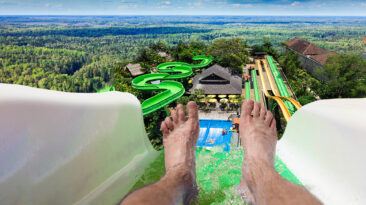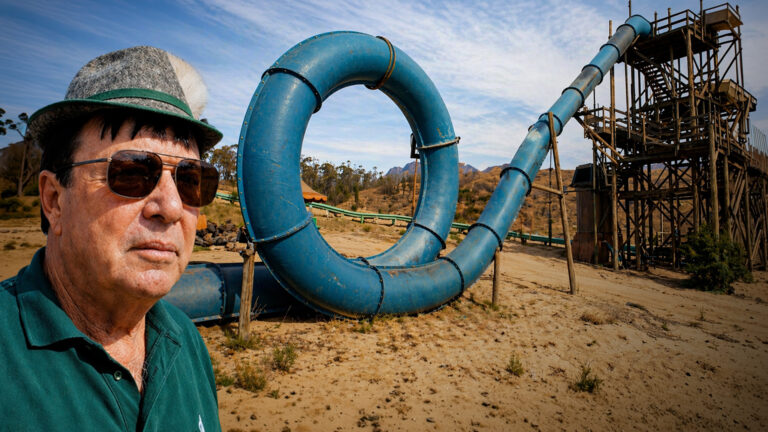
For years, Action Park in New Jersey was known as the most dangerous amusement park in America. Thousands of visitors left with cuts, broken bones, burns, and stitches. But while many people walked away with stories to tell, six people never made it home.
What made Action Park different was not just that accidents happened. It was that many of the rides were dangerous by design.
The park was created by businessman Gene Mulvihill, who believed amusement rides should put visitors in control. Instead of carefully controlled attractions, guests were encouraged to steer, race, climb, jump, and take risks. The result was a park where safety often came second to excitement.
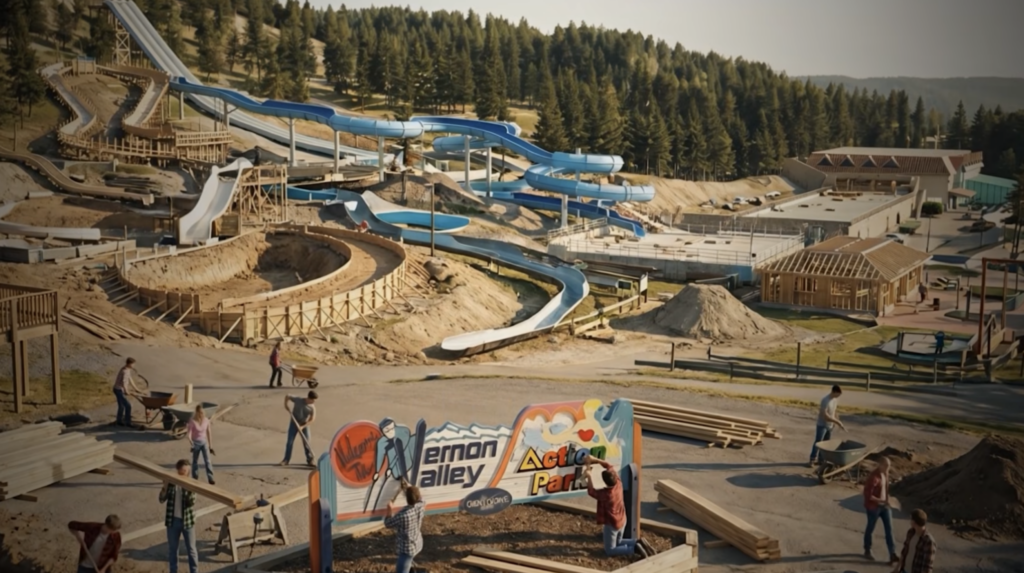
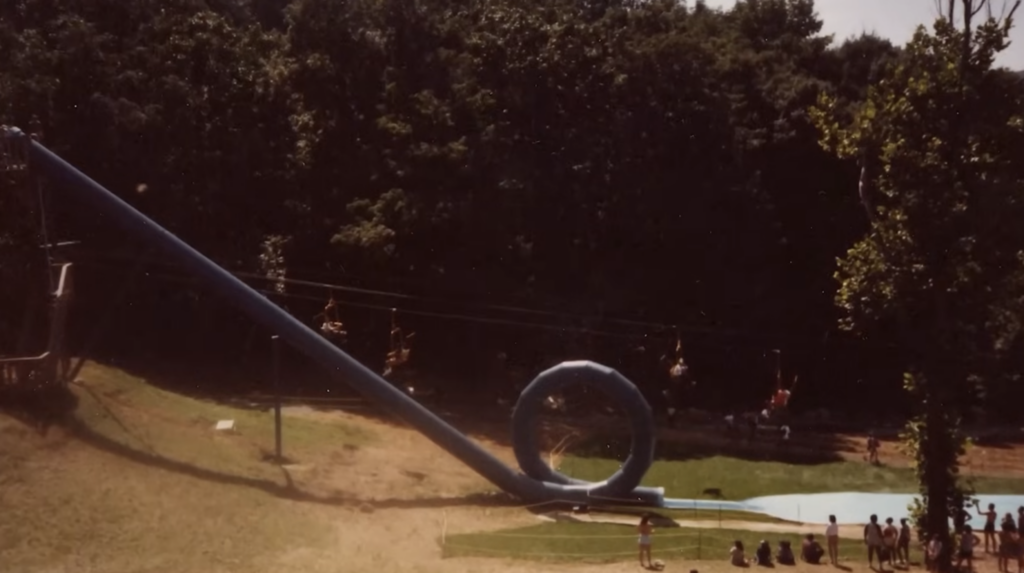
The first fatality occurred in 1980 on the infamous Alpine Slide. Riders sped down a concrete and fiberglass track in small carts. The brakes were unreliable, and the course was lined with rocks. George Larsson Jr. was thrown from his cart and struck his head on a rock. He later died from his injuries.
The reason he did not survive was simple. The ride allowed visitors to travel at high speeds while sitting just inches above a hard track surrounded by dangerous obstacles. A single mistake could become fatal.
Another tragedy happened in 1982 on the Kayak Experience. The attraction used underwater fans to create artificial rapids. When a rider fell into the water, a malfunctioning electrical system reportedly energized part of the attraction. The victim was electrocuted.
In this case, the danger came from combining water and electricity in an environment where riders were expected to fall into the water. A safety failure turned an amusement ride into a deadly hazard.
The park’s wave pool became even more notorious. Nicknamed the “Grave Pool” by employees, it generated powerful waves that constantly knocked swimmers underwater. Unlike ocean water, the freshwater pool provided less buoyancy, making it harder for people to stay afloat.
Three visitors drowned there over the years. Many others had to be rescued. Lifeguards often described pulling dozens of struggling swimmers from the water every day.
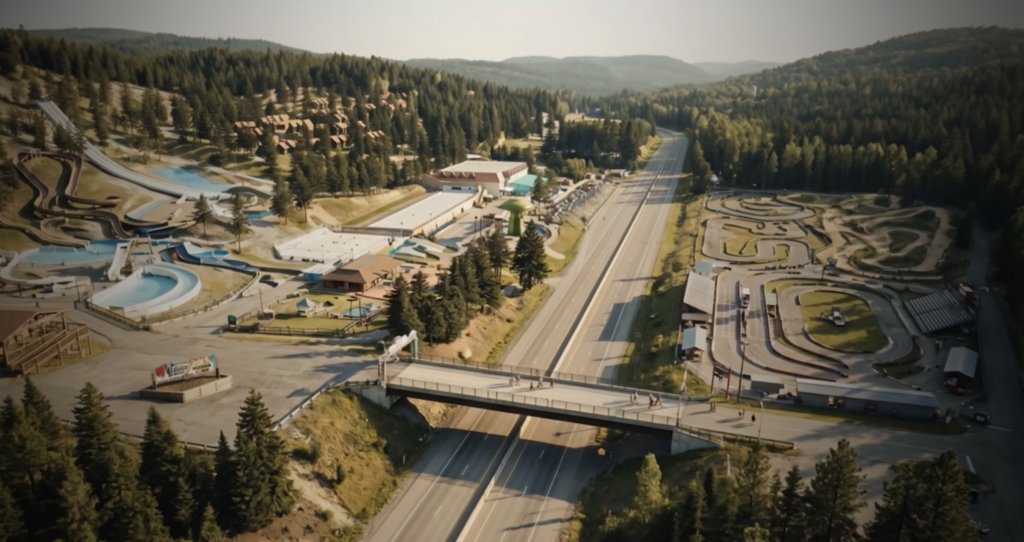
Why did people die in the wave pool? Overcrowding was a major factor. At times, nearly a thousand people packed into the attraction. When someone went under, they could easily disappear beneath the crowd before rescuers noticed.
Another victim died after using the Tarzan Swing. Riders swung over a pool fed by extremely cold spring water before dropping in. Investigators believe the shock of hitting the freezing water may have triggered a fatal cardiac event.
The park’s dangerous reputation was also made worse by poor oversight. Many rides were operated by teenagers. Some employees were reportedly underage, while others lacked proper training. Safety inspections and injury reporting were often questioned, and lawsuits piled up throughout the 1980s.
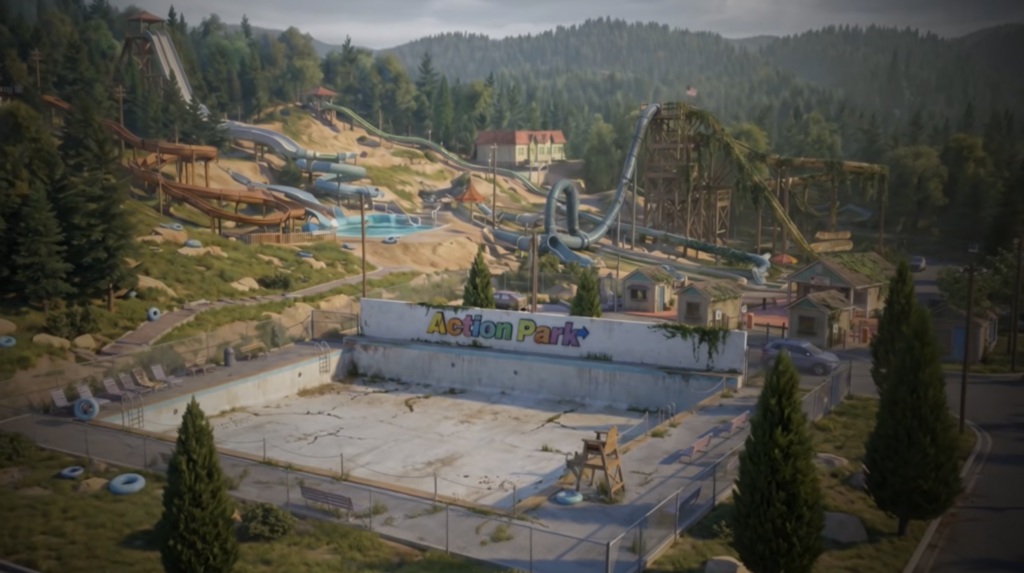
The truth is that the people who died at Action Park were not simply unlucky. They were caught in a system where thrill often mattered more than safety. High speed rides, dangerous engineering, overcrowded attractions, cold water shock, electrical hazards, and inadequate supervision created conditions where serious accidents became almost inevitable.
Action Park finally closed in 1996. Today, it is remembered not for its attractions, but for the lessons it left behind. The victims did not survive because many of the risks were built directly into the park itself, turning what should have been entertainment into a series of preventable tragedies.