A snake bite can turn into a life threatening emergency within minutes. Every year millions of people worldwide are bitten by venomous snakes, and some cases end in severe injury, permanent damage, or death.
When it happens, panic takes over. And panic pushes people toward old survival myths and instinctive reactions that make the situation considerably worse.
Here are five things you must never do, counting down to the mistake almost everyone makes without thinking.
5. Do Not Trust a Dead Snake
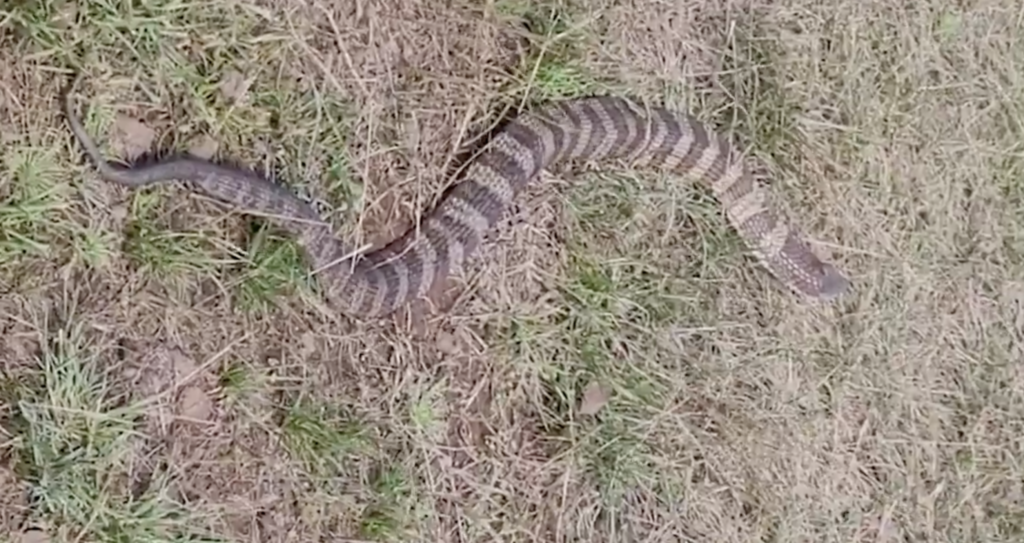
Finding a dead venomous snake looks like a safe chance to get closer and examine it. Touching one after it appears lifeless is a serious mistake.
Some snakes play dead as a defense mechanism, staying completely still while waiting for a threat to come within range before reacting.
And even if the animal is genuinely dead, reflex movements can remain in its muscles for a period afterward, which means the fangs can still strike if the body is handled carelessly. A dead snake looks harmless. Treat it as a live one.
4. Do Not Apply a Tourniquet
Seeing a serious injury, most people instinctively want to restrict blood flow and stop the damage spreading. Tourniquets save lives in certain emergencies, but they are not recommended for most snake bites.
A tourniquet traps venom in one area, concentrating it heavily around the bite. That increases tissue damage and raises the risk of severe injury, including possible amputation.
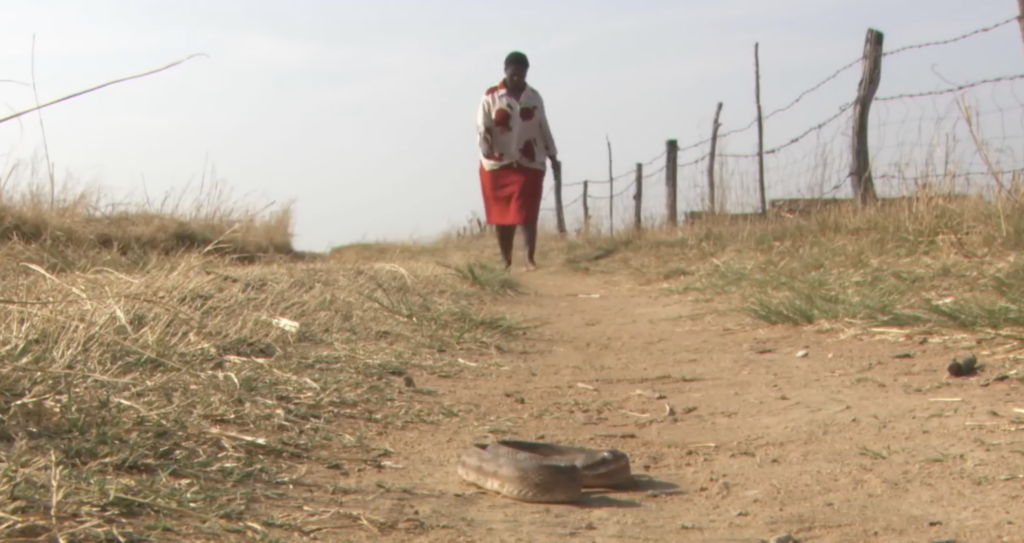
In one case, a man bitten by a timber rattlesnake had a tourniquet applied to his arm by someone trying to help. Medical workers told them to remove it immediately, because leaving it on could have made everything far worse.
3. Do Not Wait for Symptoms
Plenty of people assume they are fine because nothing hurts yet, waiting for pain, dizziness, blurred vision, or weakness before seeking help.
Venom does not always announce itself. Some bites seem harmless at first even while the venom is already working through the body.
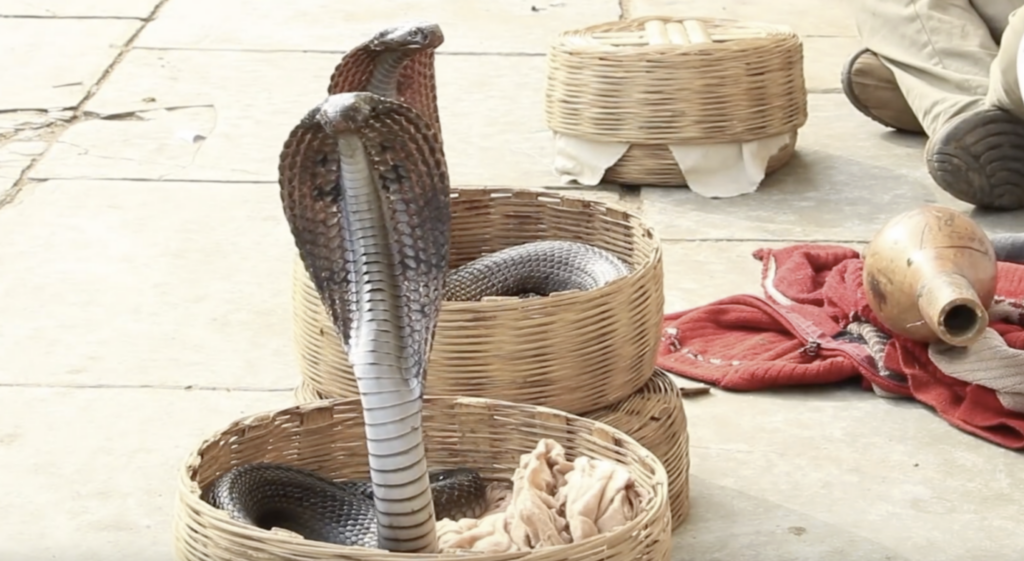
Waiting burns time you cannot afford. By the moment serious effects appear, significant damage may already be done, which makes getting medical attention quickly one of the most important steps after any venomous bite.
2. Do Not Try to Suck Out the Venom
Films and survival stories made this one famous. In reality it removes no meaningful amount of venom and introduces new problems.
The human mouth carries bacteria that can infect the wound and complicate the injury considerably, and there is no strong evidence the method works at all.
Worse, it wastes the minutes that should be spent reaching medical help. Skip the home remedies entirely, stay calm, limit your movement, and get professional treatment.
1. Do Not Raise the Bite Area
Here is the instinct that catches nearly everyone. After a bite, people lift the injured arm or leg because it feels like the helpful thing to do.
It does the opposite, letting venom move through the body faster.
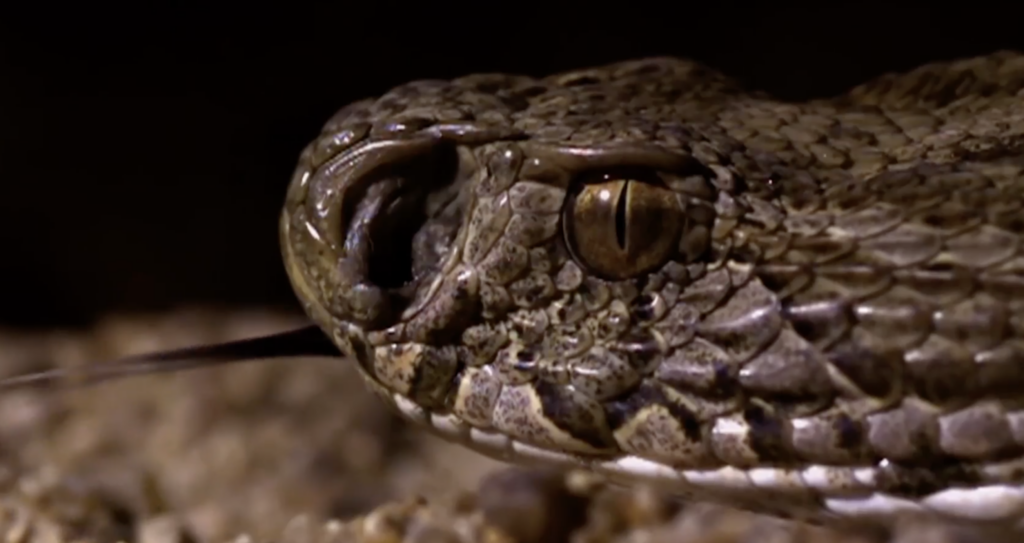
Keeping the bite lower than your heart slows the venom moving through your bloodstream, because gravity makes travelling upward harder and buys you more time to reach help.
That is the principle underneath all five of these. The goal is never to fight the venom yourself, only to slow it down until professionals can treat you.
So move as little as possible, keep the affected area still and low, and focus everything on getting emergency help. A snake bite is frightening enough on its own. The wrong reaction is what turns it into something worse.