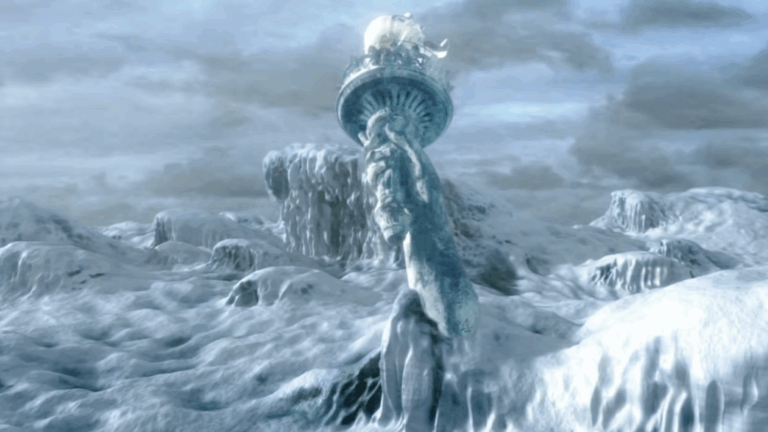
During all ice ages in Earth’s history, global temperatures dropped well below freezing across the planet. And it wasn’t just a few icy trips around the Sun. Earth can take hundreds of millions of years to thaw out. The most recent ice age started the Quartenary period about 2.6 million years ago. And technically, we’re still in it today.
Our sixth major ice age would be a few thousand years in the making. And it would begin with Earth’s tilt on its axis going through its cycle of changes. An unstable tilt plus a little wobble in our orbit around the Sun, and there would be less and less solar radiation reaching the planet. You’d see the first effects of this on the Northern Hemisphere.
The ice would mostly form on dry land. That’s because the water surrounding the ice would create a barrier preventing it from expanding as easily. Today, about 10% of Earth’s land surface is covered by ice. As our new ice age progresses, you could see that go up to about 25%. Ice would cover Eurasia from the British Isles to Siberia.
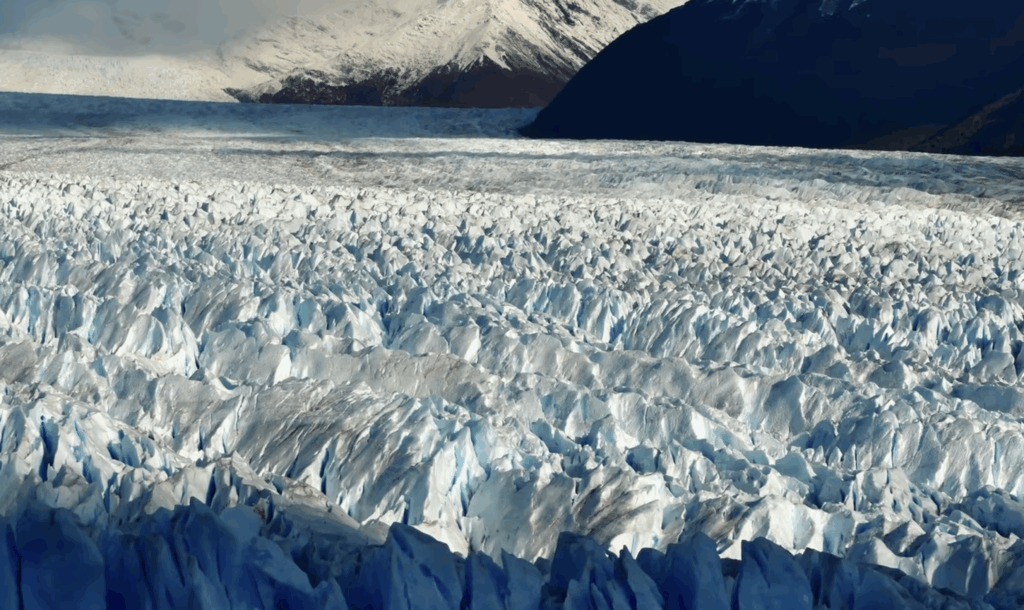
Himalayan ice sheets would expand through Asia. And while the Southern Hemisphere wouldn’t be as icy, an ice sheet would run from the southern tip of Patagonia well into the Andes Mountains. But ice wouldn’t be the only change. Sea levels could drop around 120 m (394 ft) lower than they are now. This could close off the Mediterranean Sea to the Atlantic Ocean.
Without anywhere else to go, rainfall and glacial melting would feed bodies of water in regions that aren’t frozen over. Some rivers would also change their usual runoffs and form new lakes. With all these changes in sea levels around the world, land bridges would re-emerge. Russia would now be connected to Alaska, and the islands of Indonesia would connect to mainland Southeast Asia.
The borders would change and bring many countries closer together. Or it would result in whole new countries being formed, opening up new land for you to migrate to. And you’d need to. Regions that you and hundreds of millions of other people used to call home would now be essentially uninhabitable.
Surviving the cold would mean moving away from the iciest parts of North America and Eurasia. But the rest of the world wouldn’t be too welcoming either. It would get really dry. Deserts and tundras would expand, so the remaining tropical forests near the equator would be refuges for much of the planet’s plant and animal life.
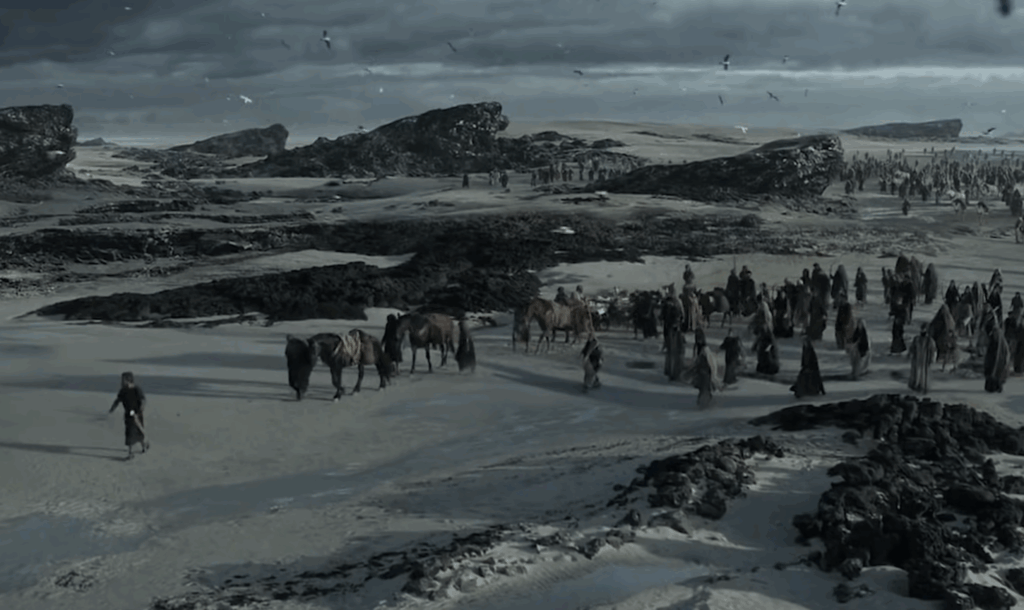
But what about us? During the most recent ice age, we actually developed as species. The land bridges allowed us to spread out across the globe. The climate forced us to adapt with new tools and clothing. And as Earth re-warmed, we started farming. It’s likely we wouldn’t fare as well with a new ice age. Not right away, at least. Almost all of our agricultural land would be lost.
So intense overcrowding in hospitable regions would create chaos and unrest. You should get ready for extreme competition for life’s basic necessities. But I have good news to ease your worries about this frigid doomsday scenario. Well, sort of. Based on current climate science and the amount of carbon dioxide in our atmosphere, we may have postponed the next possible ice age by about 500,000 years.
And if we keep pumping out greenhouse gases, it’s possible that we’ve not only postponed it, we’ve made it impossible. That just means we’ll all overheat, which I guess is better than being frozen? So Earth freezing over may not need to be high on your worry list. But maybe all the world’s ice melting should.