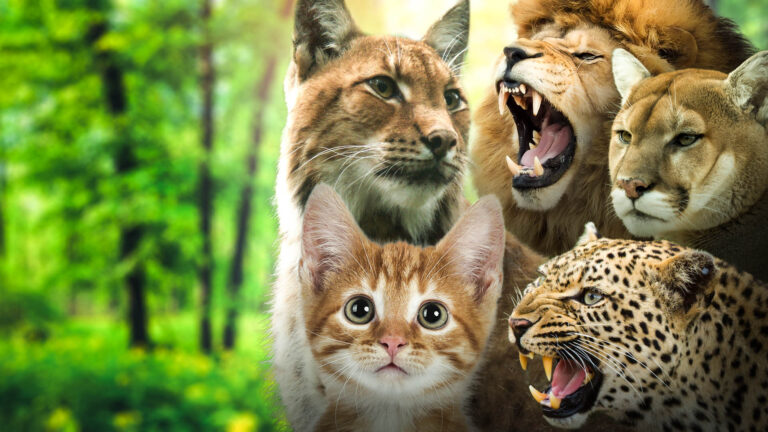
Every year, wild cats kill dozens of people around the globe. That might not surprise you, but this will. House cats, just like your beloved Mr. Whiskers, are responsible for 66,000 emergency room visits in the U.S. every year.
So today, we’re looking at the top six deadliest felines and what you could do to survive their attacks.
Which big cats have developed a taste for humans? How could weird noises save your life? Which deadly bacteria could your housecat host?
Number 6. House cats
If you’re a cat owner, you know this. They’re adorable to look at. But if you pet them the wrong way, you’ll earn a painful bite from those long, thin, sharp teeth. And I hope you’re taking cat bites seriously. Cat scratch fever is a common illness that cat saliva spreads to humans.

The symptoms include a blister or swelling on the site of the wound, fever and body aches. According to the CDC, 500 people get hospitalized for this condition in the U.S. each year.
Pasteurella multocida bacteria can infect soft tissues. And if left untreated, it can cause sepsis. Almost 90% of cats have this bacteria in their mouths, so next time think twice before you upset that little fluff ball.
Number 5. Bobcats
Also known as wildcats, bobcats aren’t one of the biggest cats out there. But never underestimate them. Weighing no more than 15 kg (33 lb), bobcats are strong hunters and can kill animals much bigger than themselves, like you. They can pounce and kill prey from a distance of 3 m (10 ft).
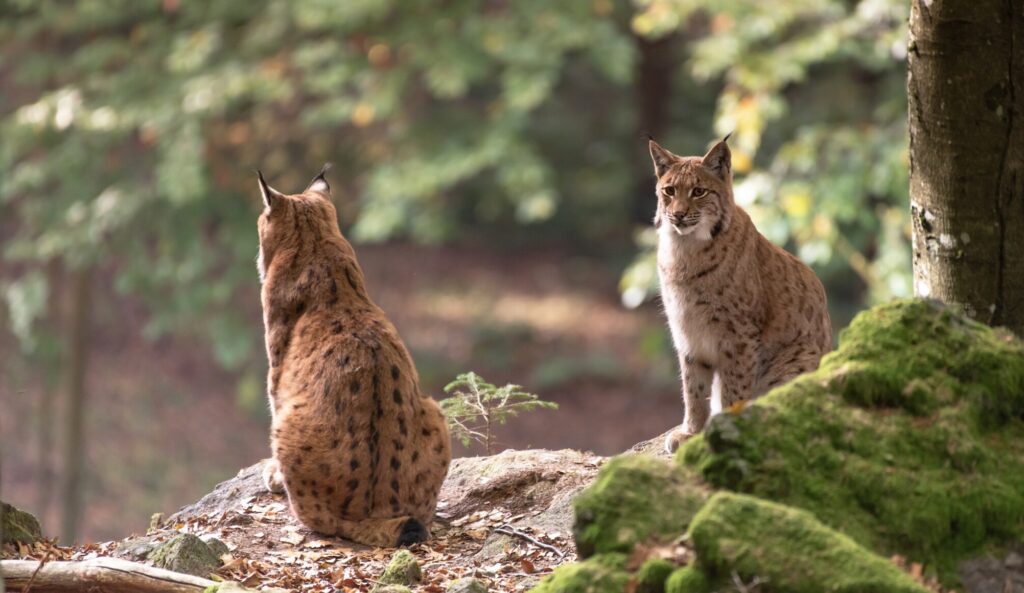
These cats are native to North America and live in almost every habitat, including forests, swamps and even suburban areas. Kristy and Happy Wade from North Carolina, U.S., know that all too well.
On April 2021, the couple was in their driveway unloading groceries from their car when an aggressive wildcat attacked Kristy. Happy grabbed the animal and threw it across the yard. But the ferocious cat wouldn’t give up until Happy shot and killed it. Tests confirmed that the unusually combative animal had rabies. The couple needed the rabies vaccine.
Number 4. Cougars
This is the mountain lion or panther, more commonly known as a cougar. It’s the most widely distributed large mammal on the North American continent. Mountain lions are generalist predators. They will eat any animal they can catch, from insect to elk and even the occasional hiker.
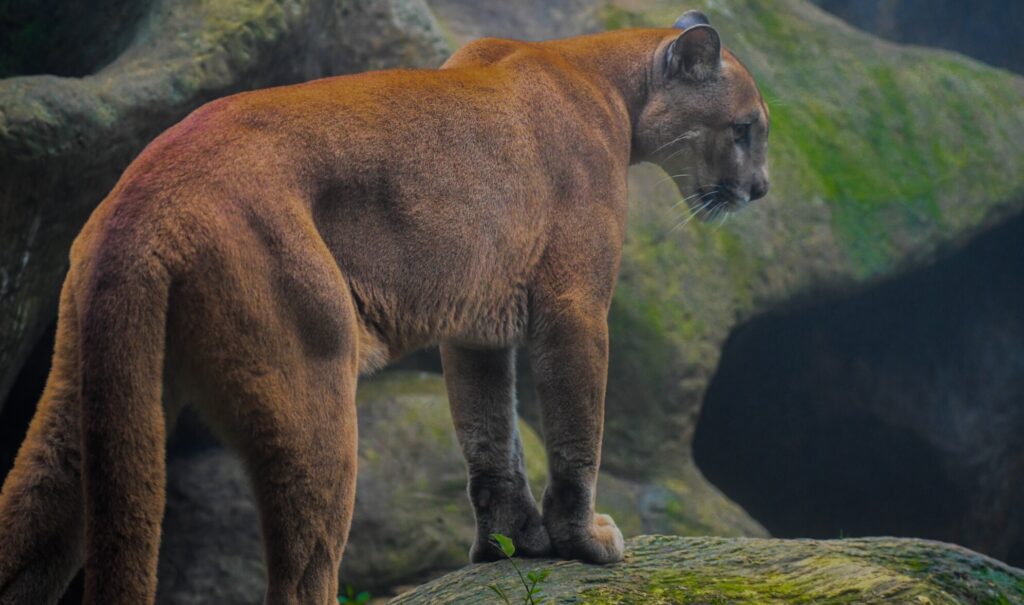
If you come face-to-face with a cougar, never turn your back on it or try to run. Raise your arms over your head to make yourself look bigger. Shout whatever comes to mind to keep the animal distracted. If none of that works, be prepared to fight back with all the strength you have.
Number 3. Leopards
These intimidating big cats can reach a size of 90 kg (200 lb) and a length of 2.1 m (6.8 ft), excluding their tails. Leopards are nocturnal and solitary. They spend their days resting in tree branches and hunt at night.
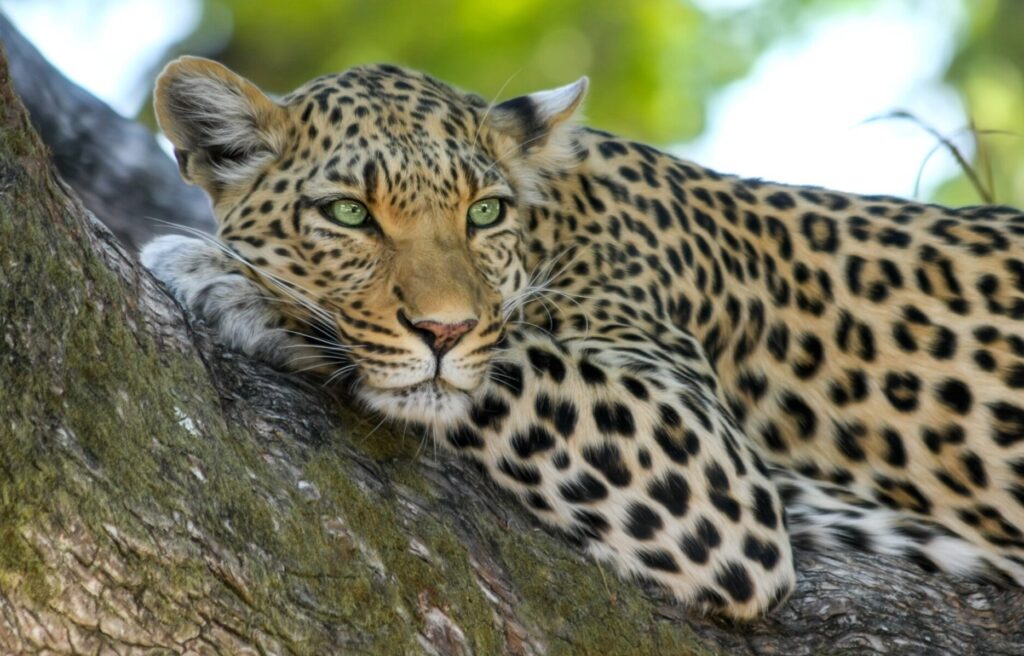
If you encounter a hungry leopard, there’s no guarantee you’ll make it out alive, so listen carefully. Don’t make direct eye contact with a leopard. Try to remain calm and slowly back away. That will let it know you aren’t a threat.
Leopards don’t make mock charges, so if it looks like it’s coming for you, it’s game on. Fight back. Protect your neck, and try to hurt its eyes, nose or ears.
Number 2. Lions
This deadly feline with incredible hair is the world’s second-biggest cat. Male lions can weigh up to 190 kg (420 lb) and grow 5.8 m (10 ft) long, including their tails. These cats can be found in a lot of habitats but they prefer the savanna, grassland and open woodland.
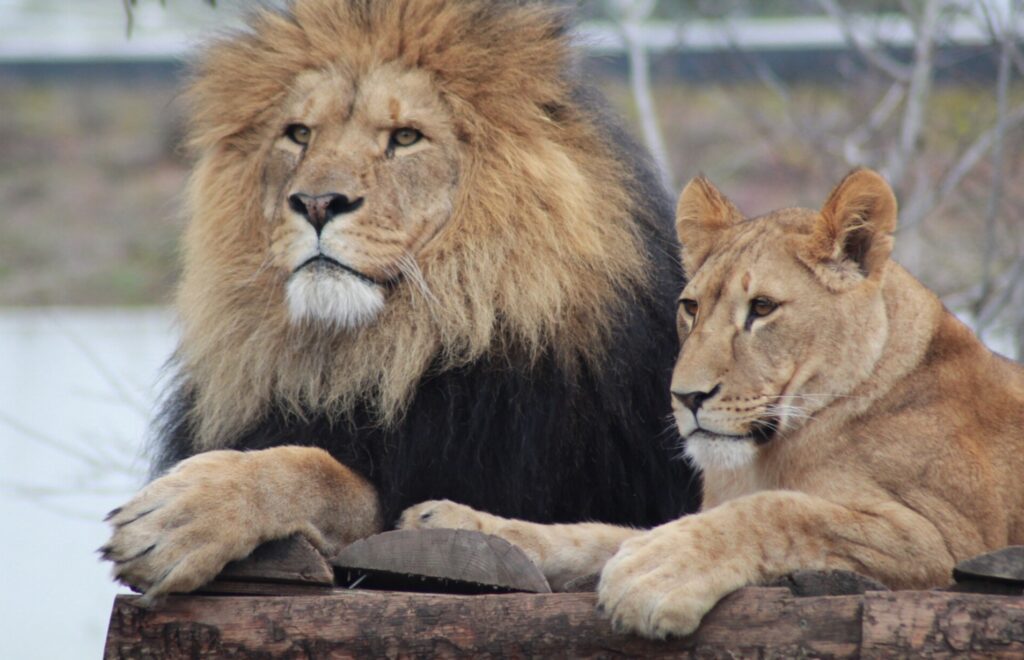
A hungry lion will attack you. Humans are slow and have no fangs or horns. So you, my friend, are an easy target. If you find the king of the jungle nearby, you might want to run as fast as you can. But don’t do it. This cat can run at 80 km/h (50 mph).
That’s almost twice the speed of the fastest human in history. And chances are, you aren’t Usain Bolt. So stay put, puff yourself up and make a lot of noise.
Number 1. Tigers
Their long, sharp claws can behead you with one swipe. Adult tigers are 70% muscle. And they can weigh up to 360 kg (800 lb), earning them the title of the world’s biggest cat. And they’re the most ferocious.
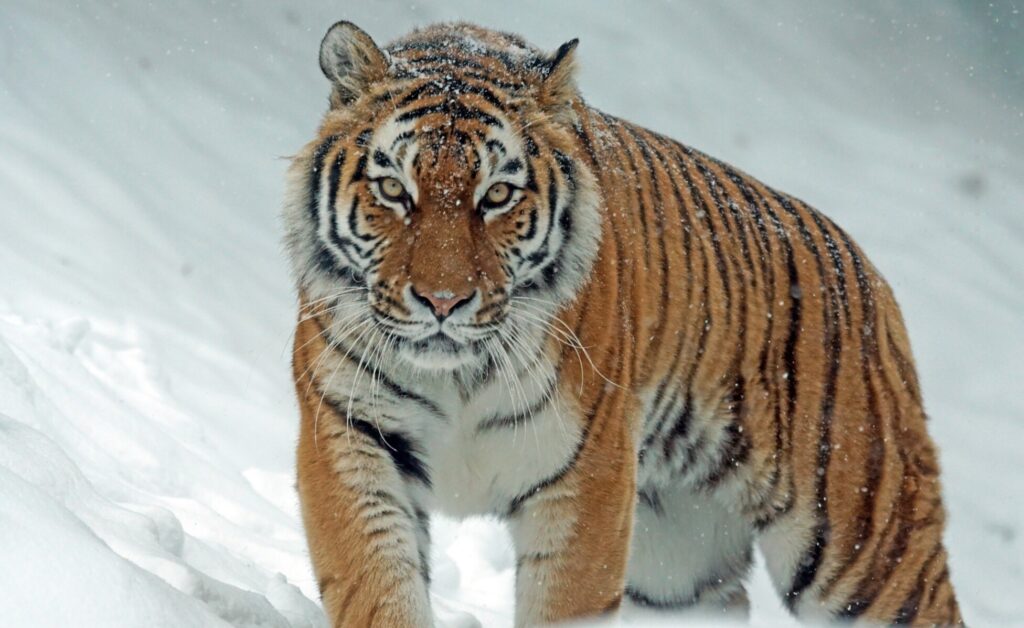
Some tigers have developed a taste for humans. They’re known as man-eaters, and you’re their favorite food. In the Sundarban area of southeastern India and southwestern Bangladesh, tigers kill up to 250 people every year. If a tiger puts you on its menu, you’re in grave danger. Tigers have pulled sleeping people from their homes. These strong swimmers also drag people from boats.
However, one place they can’t drag you from is the top of a tree. Unlike other jungle cats, tigers cannot climb trees, so you can stay up there until the tiger leaves and then get to safety.
Well done. You survived the deadliest cats. Most of these felines can be avoided by just staying inside, except for one.