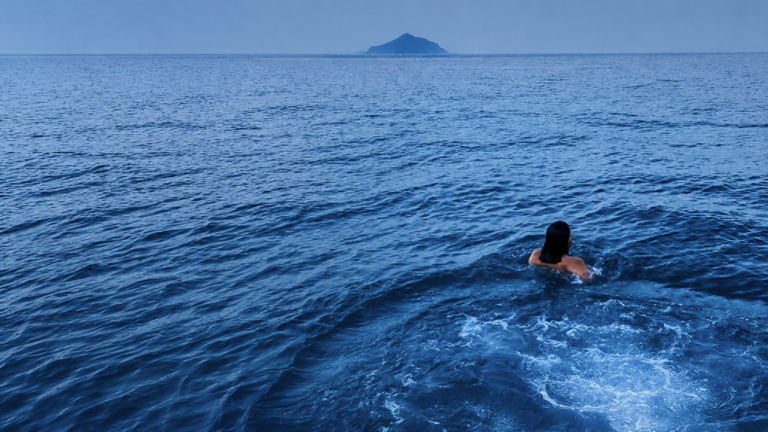
Imagine waking up in the middle of the ocean with no land in sight. The sun is burning your skin, your lips are dry, and every wave reminds you how small and helpless you are. There are no rescue crews nearby, no fresh water, and no guarantee that anyone even knows where you are.
How long could you survive?
History has shown that people can endure astonishing conditions at sea. Some survivors have drifted for weeks, months, and in rare cases, almost an entire year before being rescued. But surviving the open ocean requires more than luck. According to survival experts and scientific research, staying alive depends on a few critical priorities: water, flotation, shelter, food, and signalling for rescue.
The first and most important challenge is finding fresh water

According to National Geographic, dehydration becomes deadly long before hunger. The human body can survive weeks without food, but only a few days without water. Salt water may surround you endlessly, but drinking it can quickly make things worse. The kidneys cannot properly process large amounts of salt, and consuming seawater speeds up dehydration, confusion, and eventually organ failure.
If you are stranded, staying out of direct sunlight becomes essential because it reduces the amount of water your body loses. Survival experts estimate that around 1.5 to 2 liters of water per day may be enough to stay alive if you remain protected from the heat.
Rainfall can become your greatest source of hope. Any container, no matter how small, should be used to collect water. If you have no container, even clothing can help absorb rainwater that can later be squeezed into your mouth.
But what happens when there is no rain at all?
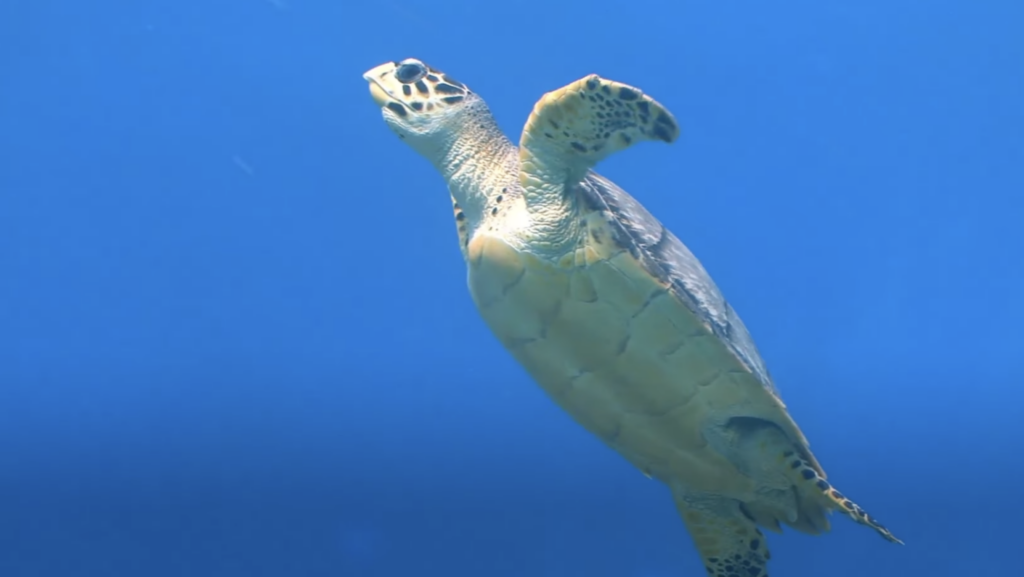
Some survival stories describe people turning to desperate methods, including drinking turtle blood or bird blood. It sounds horrifying, but both contain a high percentage of water. Sea turtles can sometimes be grabbed directly from the water if they swim close enough, while birds may be lured using pieces of fish or scraps floating near a raft.
The meat itself can also provide small amounts of hydration and nutrients. In extreme survival situations, overcoming disgust may become necessary.
One thing you should never rely on, however, is urine.
Many people believe drinking urine could save them at sea, but scientists warn against it. Urine contains the salt and waste products your body is trying to remove. Drinking it only increases dehydration and puts more strain on the kidneys. What seems like a solution can quickly become dangerous.
Once water is addressed, the next priority is staying afloat
If you still have access to a boat or raft, protecting it becomes your lifeline. Survivors often describe terrifying moments when sharks rammed or circled their boats for hours. Panic can drain precious energy, so remaining calm is critical.
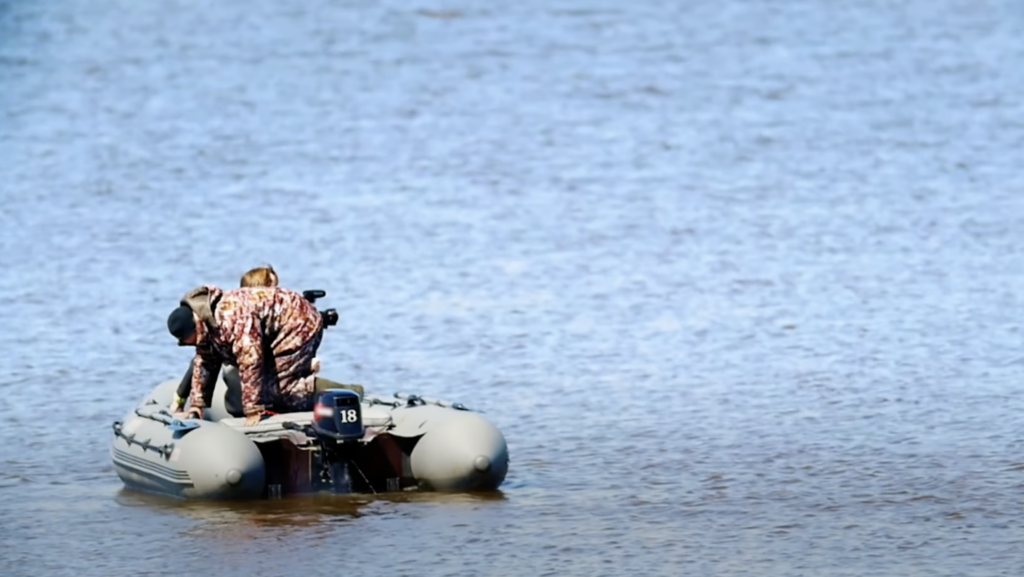
If no boat is available, holding onto any floating object can dramatically improve your chances of survival. Even debris, coolers, or pieces of wood can help conserve energy.
In calm water, floating on your back may help you rest while waiting for rescue. In rough water, survival experts recommend lying face down and lifting your head only when necessary to breathe. Conserving energy is one of the most important survival strategies because exhaustion can become deadly surprisingly quickly.
Shelter is another challenge many people underestimate.
The ocean sun can destroy the body faster than many realize. Severe sunburn, heatstroke, and dehydration can develop rapidly after only a few days exposed to direct sunlight. Rain, wind, and cold nights can also weaken survivors.
Anything available should be used for cover, including tarps, sails, plastic sheets, or even clothing tied together. Creating shade reduces water loss and protects the skin. If possible, materials should be secured tightly at multiple corners so they are not ripped away by strong winds.
Food becomes important after the first few days.
Fishing is one of the best options, but many stranded survivors have no proper equipment. In those situations, people often improvise using shoelaces, rope, wires, or scraps of metal. Hooks can be made from nails or pieces of aluminum cut into sharp shapes.
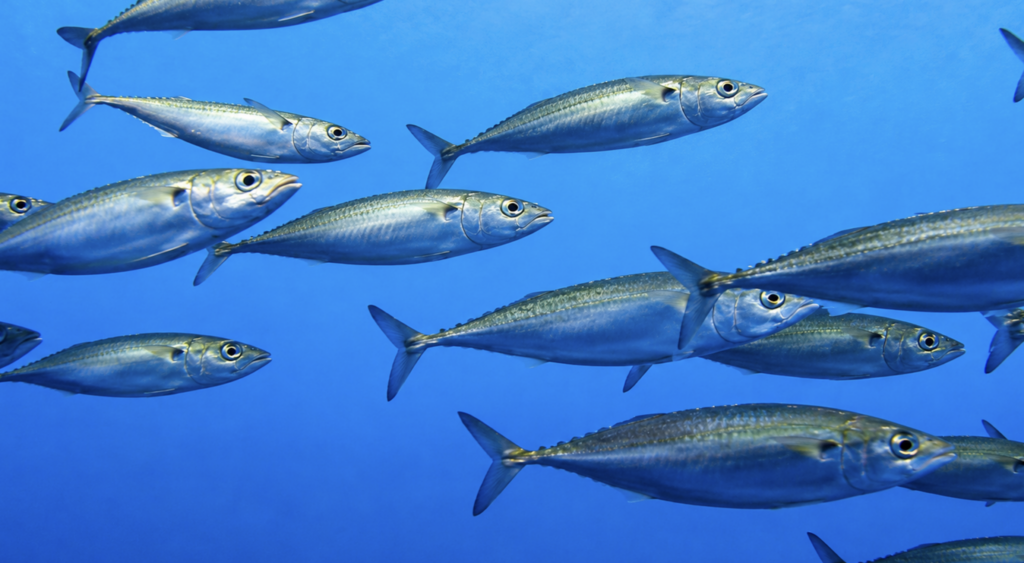
Seaweed can also become surprisingly valuable. Floating seaweed contains important vitamins and minerals that help prevent malnutrition. Sometimes it even traps tiny fish, shrimp, or crabs that can provide protein.
Birds and turtles are among the most valuable sources of food in ocean survival situations because they provide both calories and hydration. However, catching them requires patience, quick reflexes, and determination.
Finally, survivors must constantly search for ways to signal for rescue.
At night, flares and flashlights are extremely effective if available. During the day, mirrors can reflect sunlight over long distances and attract attention from ships or aircraft. Even small reflective objects, such as compact mirrors or shiny metal, may help.
If no signalling tools exist, survivors should still remain alert for passing boats or planes. Waving clothing, shouting, or creating splashes may seem desperate, but they can make the difference between being seen and disappearing into the horizon.
Most people rescued from the open ocean are found in terrible condition. Many are dangerously thin, badly sunburned, dehydrated, or suffering from exposure and nutritional deficiencies. Some survivors even experience hallucinations or neurological problems after weeks alone at sea.
Yet despite the suffering, many still survive.
Human beings are remarkably resilient when forced into extreme situations. Again and again, real-life survivors have proven that preparation, calm thinking, and resourcefulness can keep someone alive far longer than most people would ever imagine.
The open ocean is one of the harshest environments on Earth. But if you understand the science of survival, conserve your energy, and never give up hope, your chances of making it home alive become far greater.