If you could step into a time machine and travel 1,000 years into the future, would you even recognize humanity? Would we still look like we do today, or would evolution, technology, and survival pressures reshape us into something entirely different?
The truth is, the future of humanity is not just about science fiction. It is already being shaped right now in 2026. From genetic engineering to artificial intelligence, from climate change to space exploration, the next thousand years could transform the human species in ways we can barely imagine.
100 Years From Now: The First Big Transformation
A century from now is not as distant as it sounds. In 2126, only three or four generations will have passed. In purely biological terms, humans may not look drastically different. But technologically, everything could change.
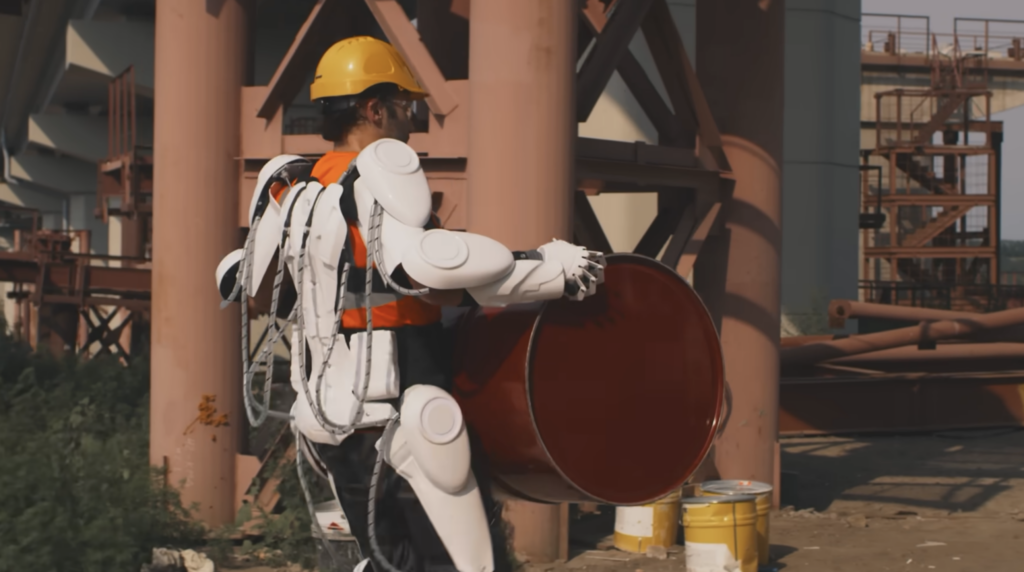
The biggest shift may come from human enhancement. Bionic limbs, once reserved for prosthetics and medical necessity, could become performance upgrades. Soldiers might wear exoskeleton suits capable of lifting vehicles. Civilians might choose mechanical limbs that are faster, stronger, and more precise than natural ones.
Even internal organs could be replaced or upgraded. Artificial hearts, synthetic pancreases, and bioengineered eyes may become common. Your health could be monitored constantly through a connected system, with smartphones or neural devices acting as control hubs for your body.
Brain computer interfaces could take this even further. Early versions already exist in experimental form today, allowing limited control of external devices. In the future, they could enhance memory, provide instant access to information, or even allow communication without speech.
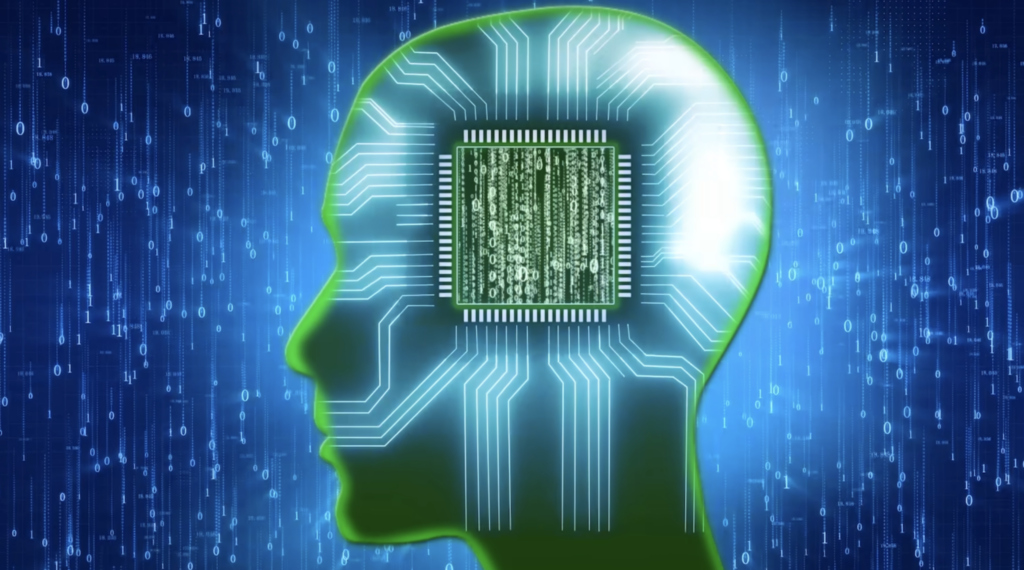
At the most extreme level, humans may begin merging with machine intelligence. Shared neural networks could connect multiple minds, forming the early stages of something like a collective digital consciousness.
250 Years From Now: A World Under Pressure
By the year 2276, humanity will likely be shaped by environmental survival. Climate change could have permanently altered Earth. Sea levels may have risen by several meters, displacing millions. Storms could become more violent and unpredictable.
Human biology may begin to reflect these pressures. People living in hotter regions might develop slimmer bodies with longer limbs to release heat more efficiently. Smaller organs, including reduced heart size, could help regulate body temperature. At the same time, some features like ears may become larger to dissipate heat more effectively.
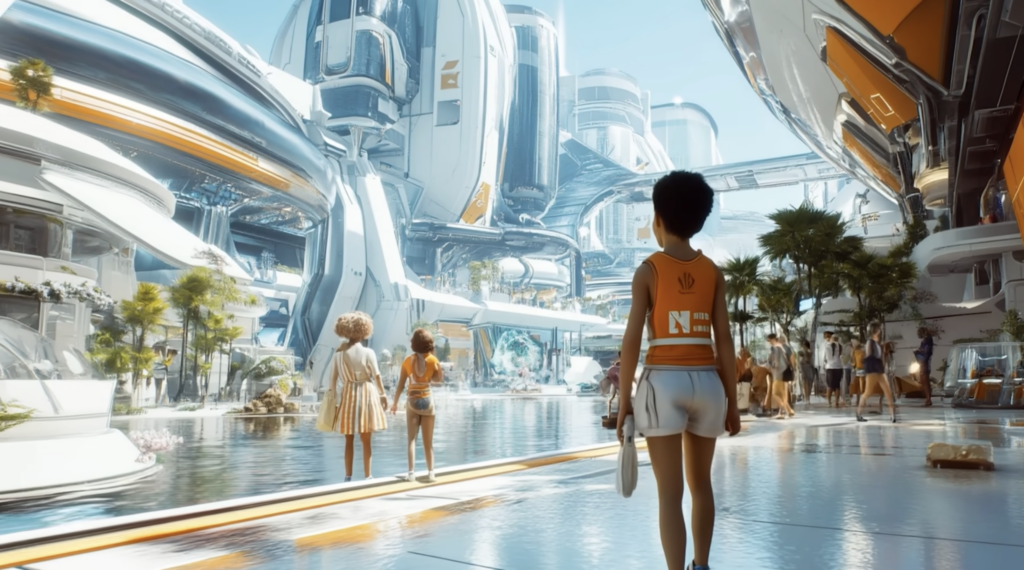
Humanity would not just evolve naturally. Technology would play a major role in survival. Cities might rely heavily on climate control systems, floating infrastructure, or underground habitats. Unequal access to these technologies could create major divides between populations.
500 Years From Now: The Age of Genetic Design
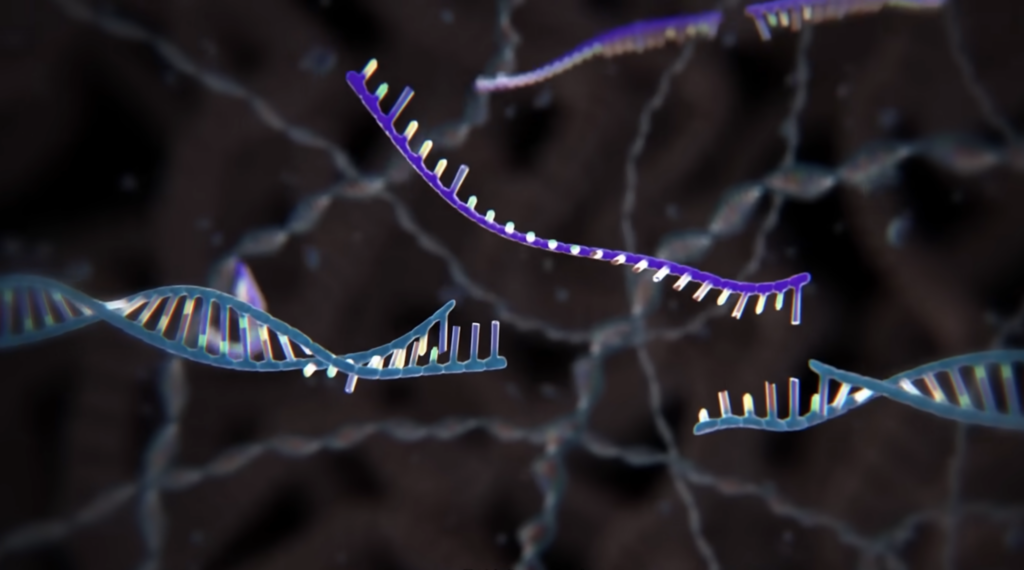
By 2526, humans may no longer be shaped only by evolution, but by deliberate design. Gene editing technologies such as CRISPR, already in early development today in 2026, could become advanced enough to rewrite large portions of human DNA.
Diseases like cancer may be eliminated at the genetic level. Blindness could be reversible. Lifespans could increase significantly as damaged cells are repaired or replaced before they fail.
But genetic engineering could go far beyond medicine. Humans may begin designing physical traits, choosing eye color, height, metabolism, or even muscle density. The idea of “designer humans” could shift from theory to normal practice.
At the same time, external augmentation may continue to evolve. Exoskeletons could enhance strength and endurance far beyond natural limits, turning humans into hybrid biological mechanical beings.
The question of access would become critical. If such enhancements are expensive, society could divide into enhanced and non enhanced populations, creating new forms of inequality.
750 Years From Now: Life Beyond Earth
By the year 2776, humanity may no longer be confined to Earth. Colonies on Mars and possibly other worlds could require entirely adapted human biology.
Lower gravity environments like Mars would cause muscle and bone loss in unmodified humans. Future generations may be engineered with stronger connective tissue or lighter skeletal structures to adapt.
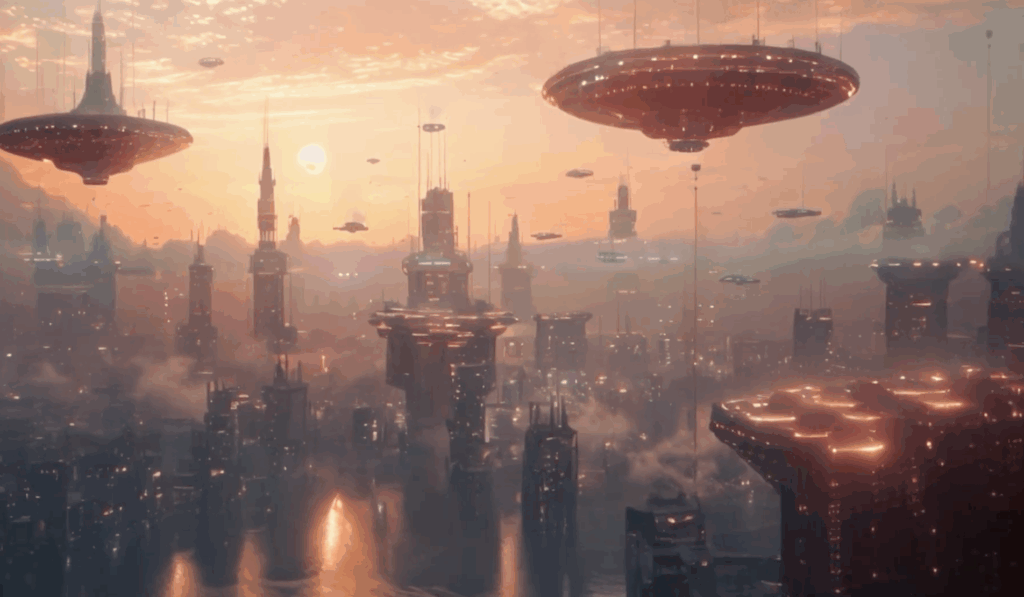
Radiation would be another major challenge. Mars lacks a strong magnetic field, exposing its surface to far more cosmic radiation than Earth. Genetic traits inspired by radiation resistant organisms, such as cockroaches, may be studied and adapted into human biology.
Breathing carbon dioxide is unlikely to be possible, so humans would still depend on oxygen systems or terraformed environments. However, future humans may develop enhanced resistance to dust, radiation, and environmental stress.
These “Martian adapted humans” would not be separate species, but specialized versions of humanity shaped by their environment.
1,000 Years From Now: The Fully Engineered Human
By the year 3026, humanity may have reached a point where natural evolution plays a minor role compared to deliberate design.
Future humans could have bodies built for survival in extreme environments. Stronger bones, flexible joints, and reinforced organs could make them resistant to accidents, natural disasters, and even extreme climate conditions.
The skull might evolve or be engineered to better protect the brain, possibly with additional fluid cushioning. Spines could become more flexible and resistant to injury. Internal systems like blood circulation could be redesigned for efficiency and resilience.
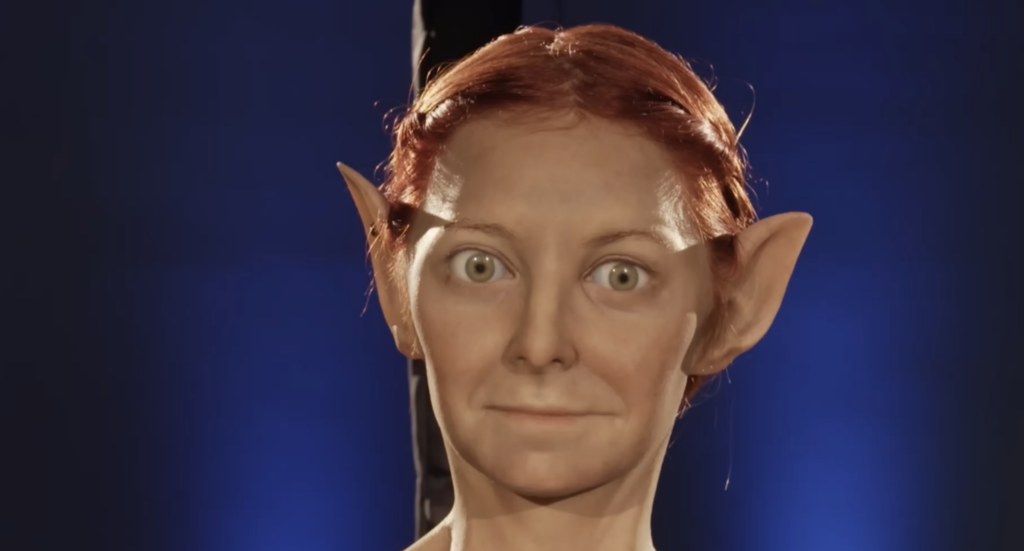
Some features might even draw inspiration from animals. Octopus like skin could allow humans to change color for communication or environmental adaptation. Bird like respiratory systems could improve oxygen efficiency. Kangaroo style reproductive adaptations have even been theorized in speculative science, where early development occurs in protected external environments.
Humans might also become more physically adaptable. Joint systems could allow movement in multiple directions, reducing injury risk. Facial and sensory structures like ears and eyes could evolve or be engineered for better perception.
Despite all these changes, future humans would likely still retain recognizable traits from today. But the difference would be flexibility. Humanity would no longer be defined by a single fixed form, but by adaptability itself.