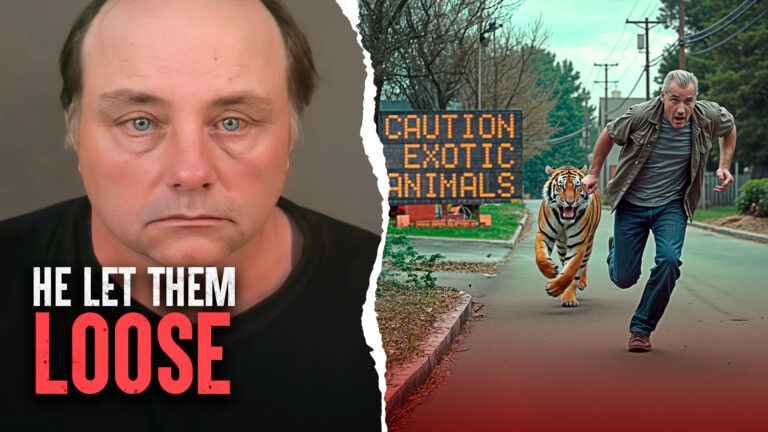
In the fall of 2011, the quiet town of Zanesville, Ohio, was thrown into chaos by an event so extreme it stunned the entire United States. What began as an ordinary evening quickly turned into a full scale emergency involving lions, tigers, bears, and wolves roaming freely through residential roads.
The source of the disaster was a local man, Terry Thompson, an exotic animal owner who kept more than 50 dangerous animals on his private property. Known in the community for his unusual lifestyle, Thompson had long attracted attention, but nothing prepared residents for what would happen when his animals were suddenly released into the wild.

Zanesville itself was a peaceful, tight knit community, famous for its pottery industry and its distinctive Y shaped bridge. Most residents knew about Thompson and his private animal farm, but few imagined the scale of danger it represented.
Over the years, Thompson had built a reputation for living outside normal expectations. A Vietnam War veteran, he struggled with trauma after returning home and eventually settled into a life that revolved around collecting exotic animals, motorcycles, firearms, and other unusual interests. His passion for animals began when he purchased a tiger cub as a gift, which soon expanded into a full private menagerie.
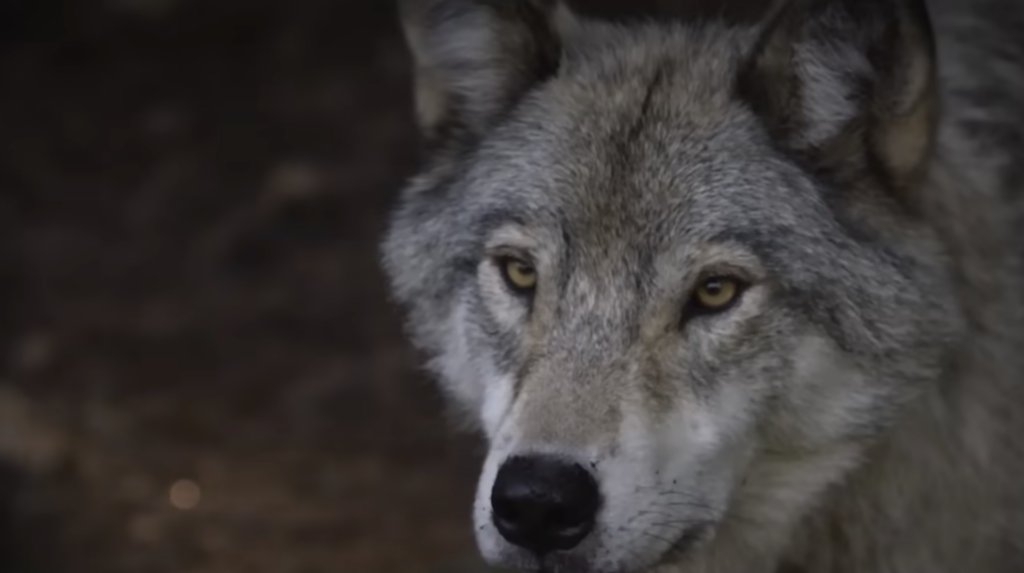
His property grew into a sprawling and poorly regulated collection of wildlife, including lions, tigers, bears, wolves, and primates. Feeding such animals required constant effort, and Thompson often relied on unconventional sources of food. As time went on, financial strain and legal trouble added pressure to his already unstable situation.
After federal authorities discovered unregistered firearms at his property, Thompson was arrested and served prison time. When he returned home, his marriage was broken, his finances were collapsing, and his life was spiraling further out of control.
On October 18, 2011, something changed. In a final and devastating act, Thompson released dozens of his animals by cutting enclosures and opening cages across his property.
The reason remains debated, but the result was immediate catastrophe. As night fell, predators began spreading across roads, fields, and neighborhoods, turning rural Ohio into a danger zone.
Residents began calling emergency services in panic as reports came in of lions in the road, bears near homes, and strange animals moving through the darkness.
Law enforcement officers were quickly overwhelmed by the situation. Deputies arriving at the scene encountered wild animals in open areas, including wolves, bears, and large cats. With limited equipment and time, they were forced into life or death decisions. Some animals charged directly at officers, while others moved toward nearby homes.
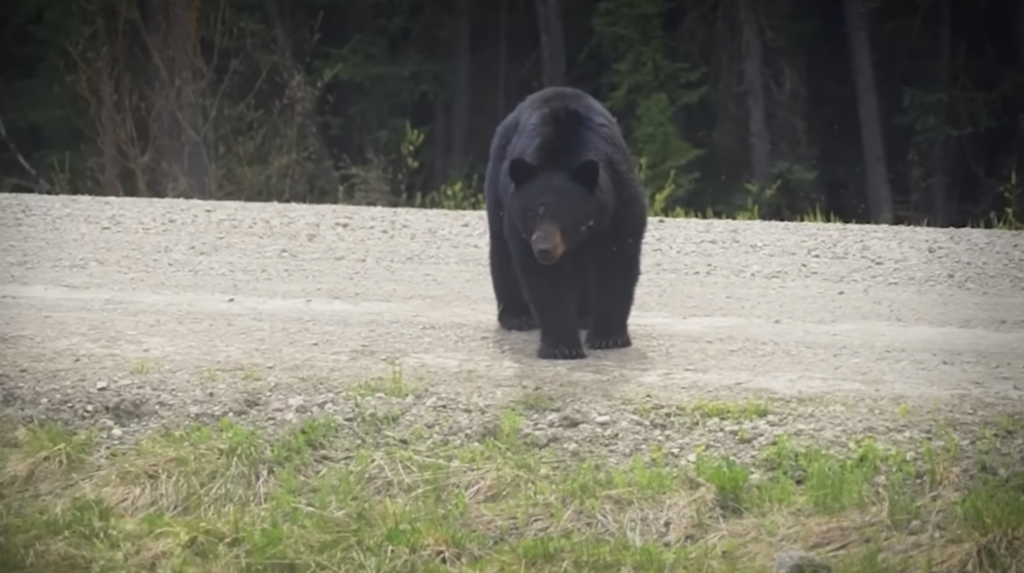
A black bear was shot after charging a deputy, and a lioness was later killed as it approached residential areas. The situation escalated rapidly as more units arrived, including wildlife specialists, but the scale of the release made containment nearly impossible.
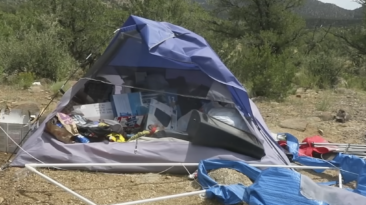
Inside Thompson’s property, officers discovered broken cages, cut locks, and evidence that the release had been deliberate. They also found Thompson dead from a self inflicted gunshot wound, bringing an abrupt end to the mystery of his final actions. Meanwhile, the loose animals continued to pose a threat across the region.
Authorities ultimately made the difficult decision to euthanize most of the remaining animals to prevent further loss of human life.
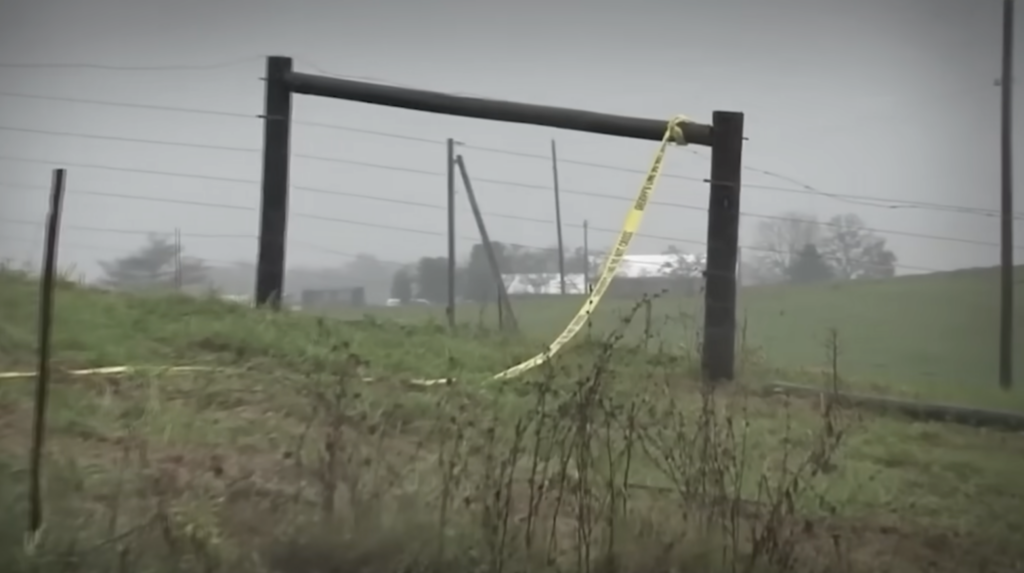
By the end of the operation, 49 exotic animals had been killed, including tigers, lions, bears, and other large predators. A small number were captured alive, but one animal was never accounted for.
The incident shocked the nation and sparked widespread debate about the dangers of private exotic animal ownership. In response, Ohio strengthened its laws, banning the private possession of many dangerous species and increasing regulation across the state.
The Zanesville massacre remains one of the most disturbing examples of what can happen when exotic wildlife is kept outside proper facilities. It exposed major gaps in animal regulation and forced authorities to reconsider how such situations should be prevented in the future.