You may have heard of meat made from soy, and meat made from plants. But this company is creating meat made from air.
No, it is not a magic trick. It is a real attempt to produce protein without farms, animals, or even traditional crops.
California based company Air Protein is developing what it calls air based meat using hydrogenotrophs, which are carbon dioxide eating microbes.
These microbes do not behave like anything you would normally associate with food production. They feed on elements found in the air itself, including carbon dioxide, oxygen, and nitrogen, along with water and mineral nutrients.

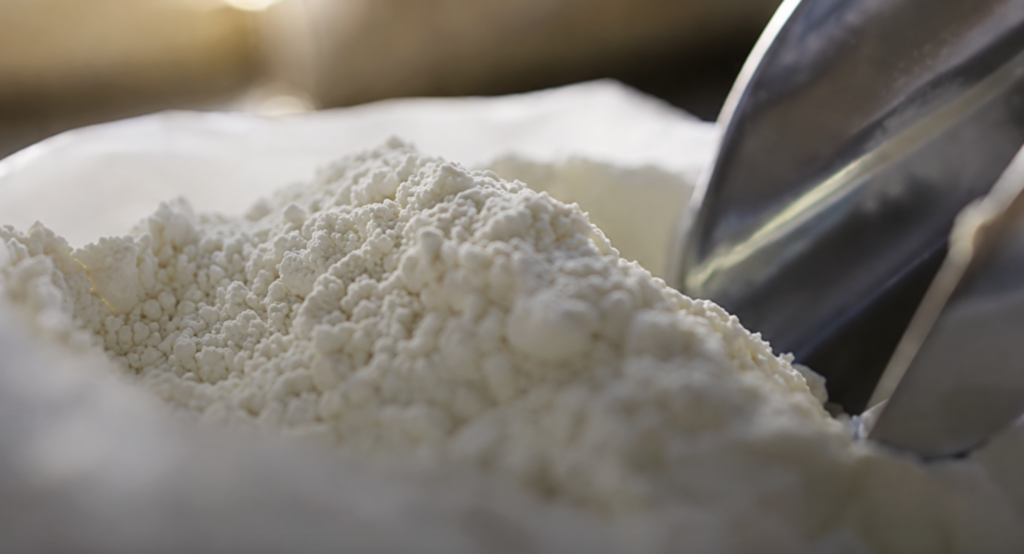
In controlled environments, these hydrogenotrophs rapidly convert those inputs into a dense, flour like protein powder within just a few days.
What comes out is not a finished steak or burger. It is a raw protein base that can be processed, flavored, and textured into something that resembles meat. On its own, the result has been described as having a fairly neutral taste. But that is exactly the point. It is designed to be a blank canvas that can be engineered into different food products.
The idea of turning air into food sounds futuristic, but it is not entirely new. The concept traces back to NASA research in the 1960s, when scientists were trying to solve a very practical problem.
How do you feed astronauts on long missions where carrying traditional food is impossible?
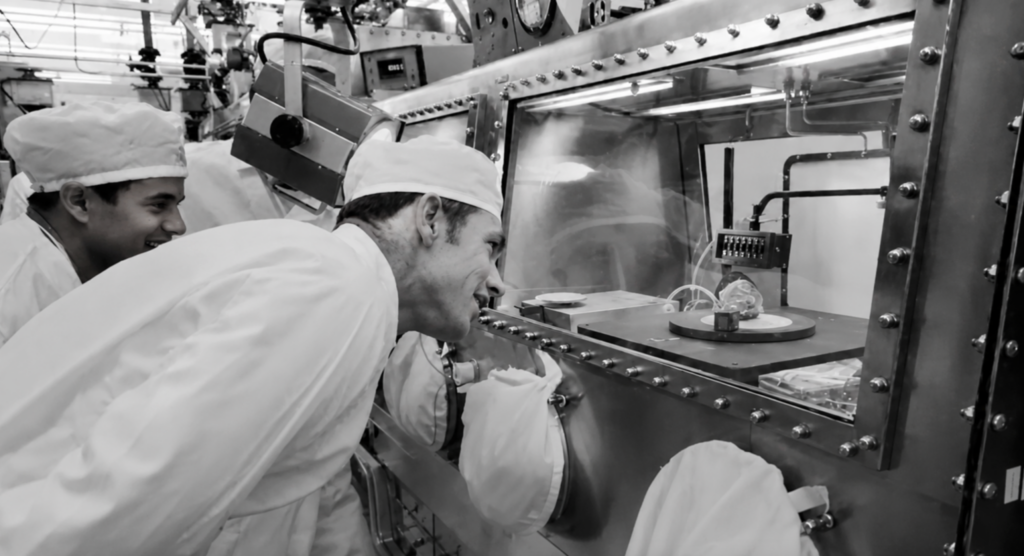
Their solution was to explore microorganisms that could recycle waste gases like carbon dioxide into edible biomass. In theory, astronauts would exhale CO2, and microbes would convert it back into food.
That same principle is now being adapted for Earth.
Traditional animal agriculture is one of the largest contributors to greenhouse gas emissions globally. It also requires vast amounts of land and water, driving deforestation and environmental strain across multiple ecosystems.
Even plant based alternatives like soy still depend on large scale farming, irrigation, and transportation networks.
Air based protein offers a radically different approach. Instead of expanding farmland, it removes the need for farmland altogether.
In theory, production could happen almost anywhere, from urban facilities to remote environments, as long as there is electricity, water, and carbon dioxide available.
Supporters of the technology argue that it could significantly reduce pressure on land use and lower emissions from food production. Critics, however, point out that scaling the process efficiently and cheaply enough to replace traditional meat is still a major challenge.
For now, air protein remains in the early stages of development. It is not something you will find widely on supermarket shelves yet. But the idea raises a fascinating possibility.
If protein can be made from air, then food production itself might be about to change more in the next few decades than it has in the last few thousand years.