Reptiles have ruled the planet for hundreds of millions of years, and some of them still inspire the same fear they did in prehistoric times. From giant constrictor snakes to venomous vipers and armored crocodiles, these animals are built for survival and hunting. Some kill with venom, others with crushing strength, and a few can drag prey underwater in seconds. Here’s a closer look at some of the world’s most dangerous reptiles and why you never want to meet them in the wild.
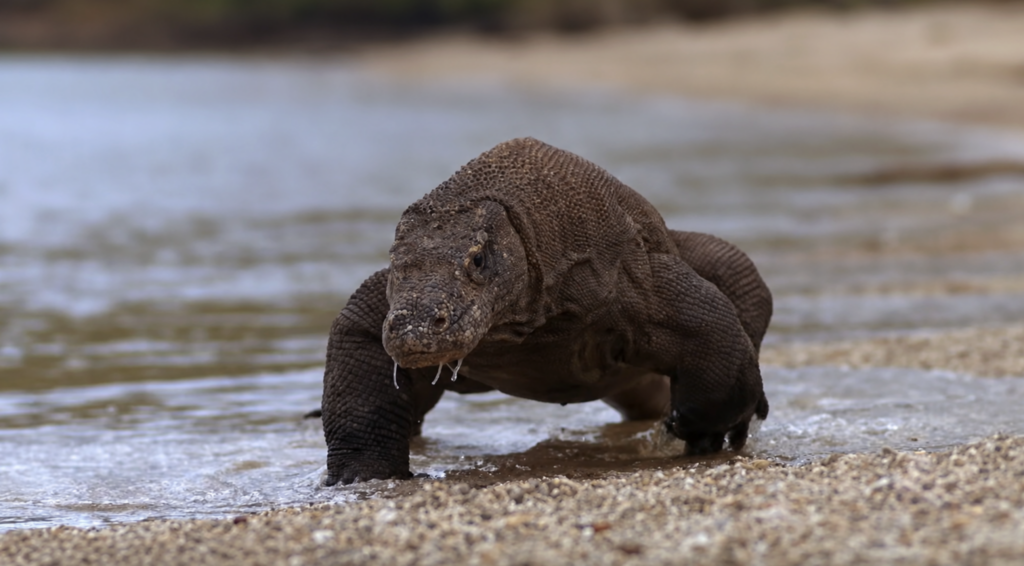
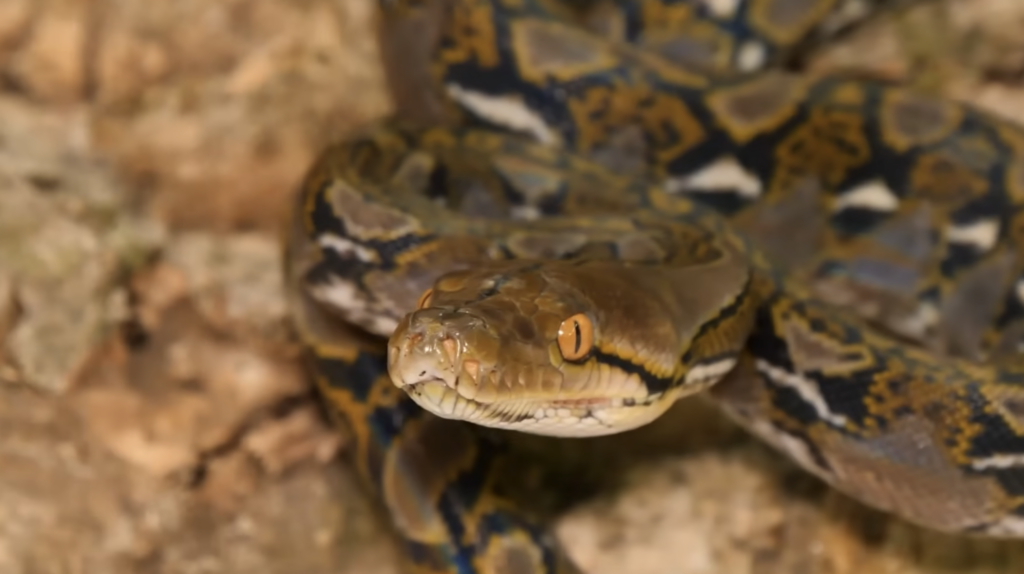
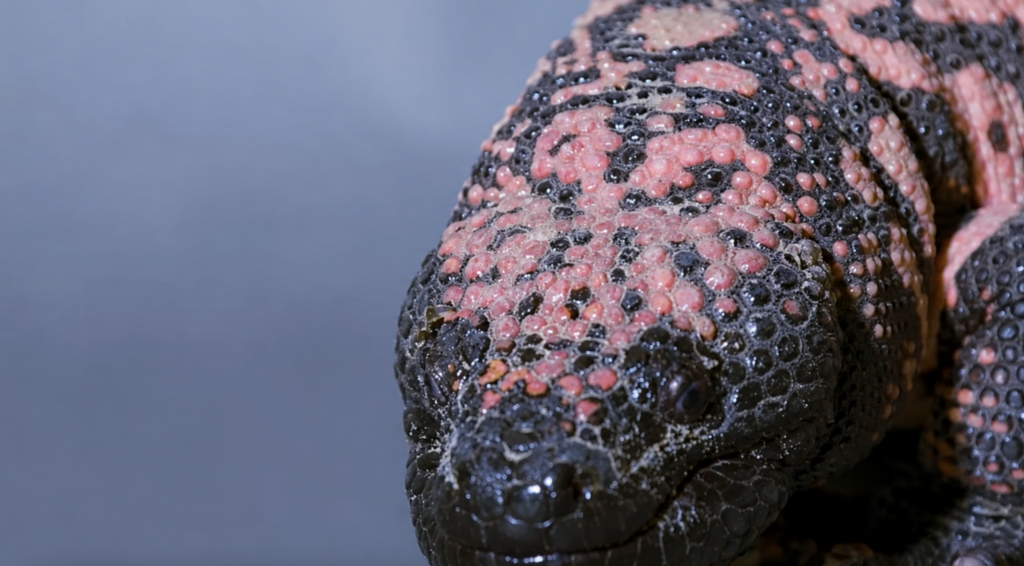
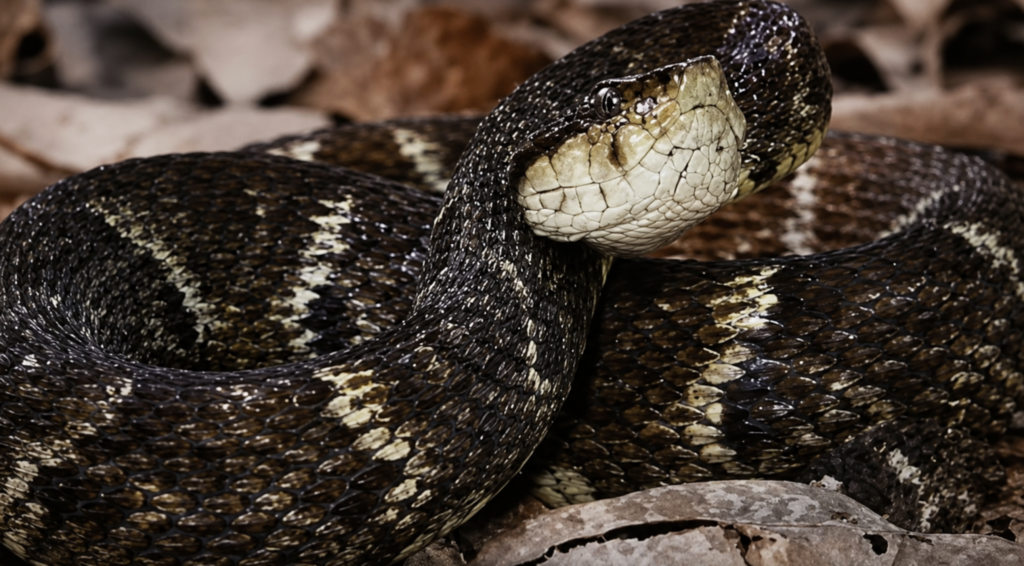
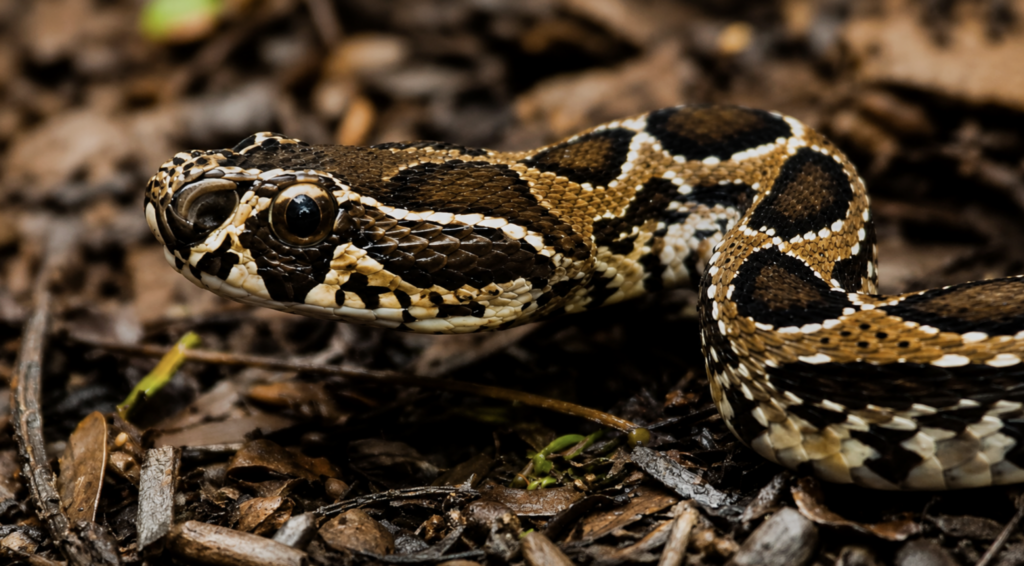
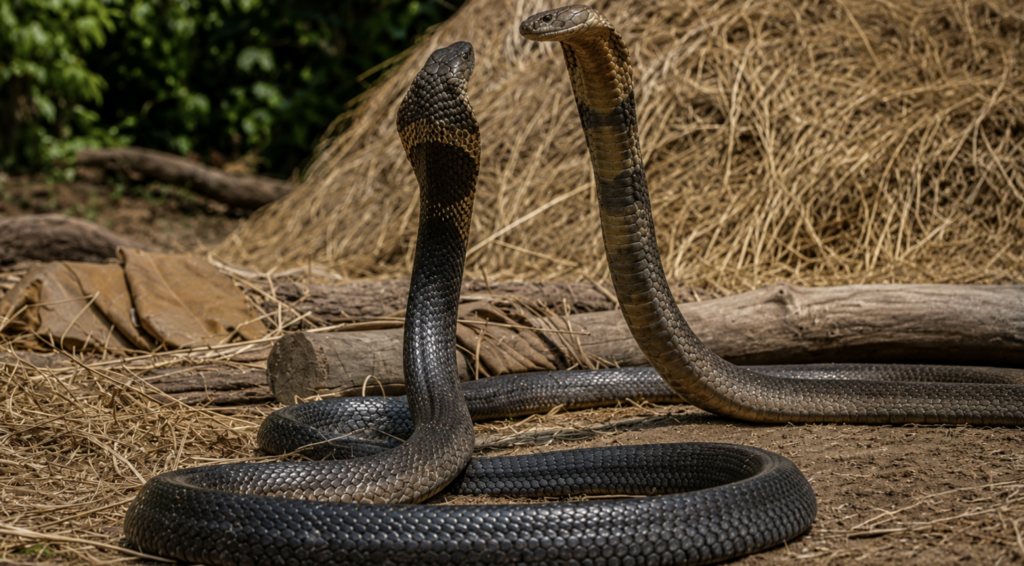
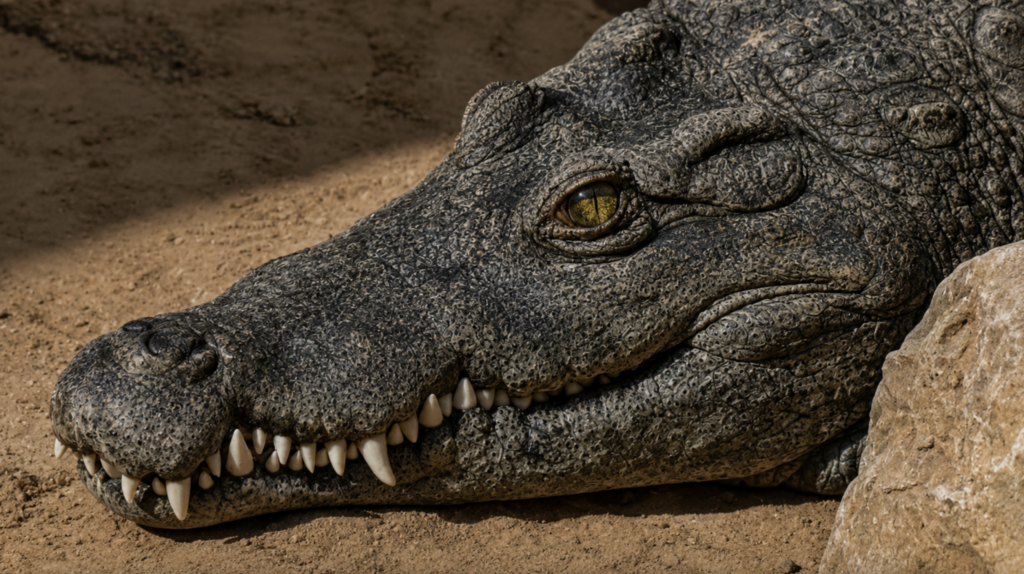
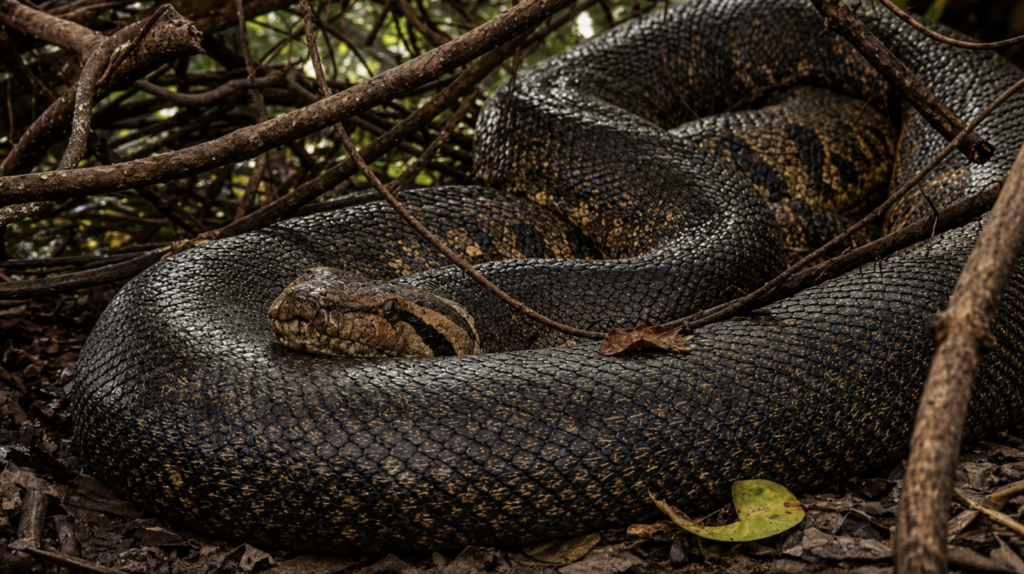
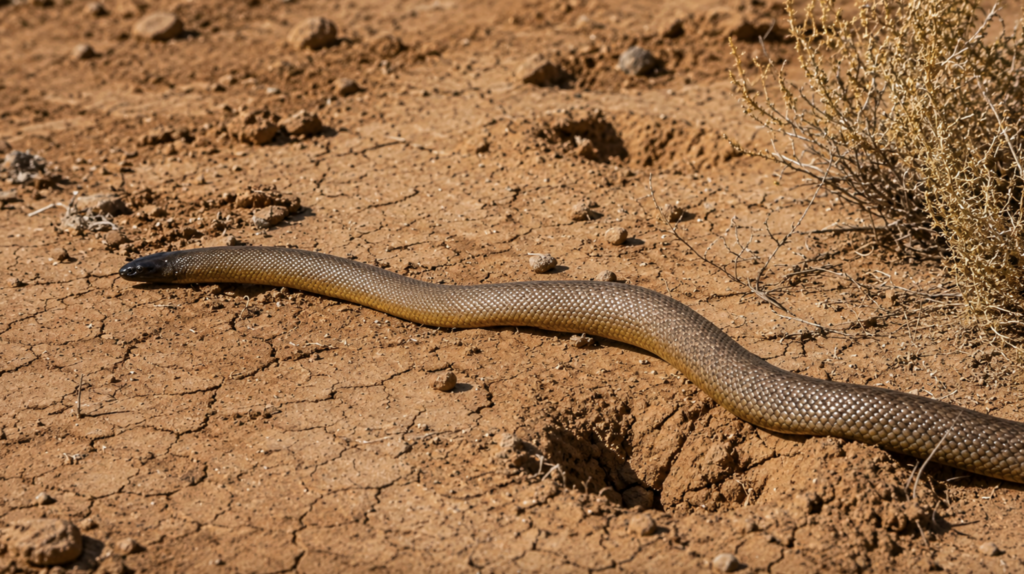
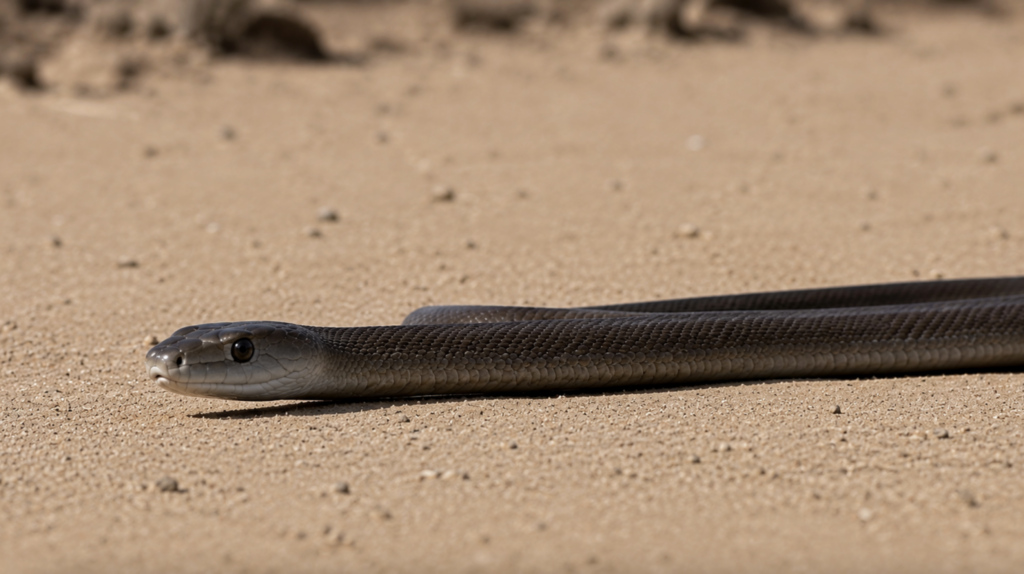
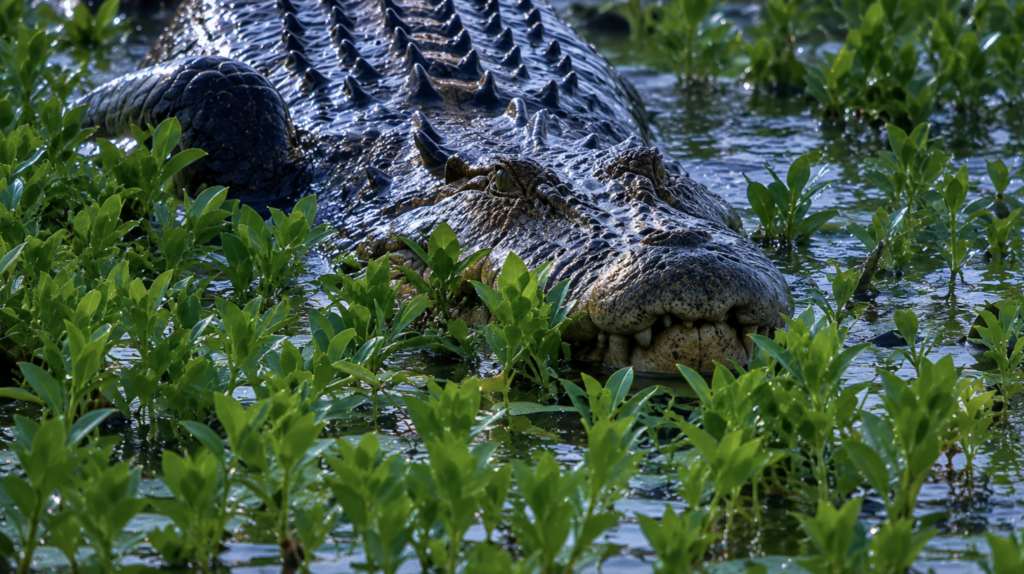
The Komodo Dragon is the largest lizard on Earth, growing up to 9 feet long and weighing more than 350 pounds. Found on a handful of Indonesian islands, these predators are ambush hunters with a terrifying combination of sharp serrated teeth, venom, and bacteria filled bites. Their venom prevents blood from clotting, causing victims to weaken quickly after an attack. Komodos can also detect blood from miles away using their forked tongues and a special sensory organ in their mouths. Although attacks on humans are rare, a face to face encounter with one of these prehistoric reptiles is something few people would want to survive.The Reticulated Python is the longest snake in the world, capable of reaching over 30 feet in length. Native to Southeast Asia, this massive constrictor kills by wrapping around its prey and squeezing until it can no longer breathe. Unlike venomous snakes, pythons rely entirely on muscle power, and they are strong enough to swallow animals much larger than themselves. There have been documented cases of humans being killed and consumed by reticulated pythons in Indonesia. Their camouflage and patience make them especially dangerous in dense forests and near water.The Gila Monster may look small compared to crocodiles and giant snakes, but it is one of the few venomous lizards in the world. Found in the deserts of the southwestern United States and northern Mexico, it grows to about 20 inches long and has striking black, pink, and orange patterns. Its venom causes intense pain, swelling, and dangerous changes in blood pressure, and there is no specific antivenom for its bite. Fortunately, Gila Monsters are shy and rarely attack humans unless threatened. Most dangerous encounters happen when people try to handle or provoke them.The Fer de Lance is one of the deadliest snakes in the Americas and is responsible for a huge number of snakebites each year. This pit viper can grow to about 7 feet long and is recognized by its spear shaped head and heat sensing pits near its eyes. Its venom causes severe pain, bleeding, tissue destruction, and can be fatal without fast medical treatment. Fer de Lance snakes are often defensive and may strike repeatedly if they feel threatened. Because they blend well into tropical forest floors, hikers can accidentally step dangerously close before noticing one.Russell’s Viper is one of Asia’s most feared snakes, especially in India where it causes thousands of bites every year. The snake has a distinctive pattern of dark brown spots outlined in black along its body, making it easier to identify than many other vipers. Its venom is extremely potent and can cause paralysis, massive bleeding, kidney failure, and death. Russell’s Vipers are often active at night, but people can still accidentally encounter them during the day in fields and rural areas. Immediate medical treatment and antivenom are critical after a bite.The King Cobra is the largest venomous snake in the world, capable of growing up to 18 feet long. Found across forests and wetlands in Asia, it is famous for its dramatic hood display and intimidating posture. Despite its fearsome reputation, King Cobras are generally shy and prefer to avoid humans. However, when threatened, they can deliver enough venom to kill multiple people or even an elephant. Their venom attacks the nervous system, leading to paralysis and respiratory failure if untreated.The Nile Crocodile is one of Africa’s top predators and can grow nearly 20 feet long. It spends much of its time motionless in rivers and lakes, waiting for the perfect moment to ambush prey. With a bite force powerful enough to crush bone, it can drag large animals underwater and drown them with its infamous death roll. Nile crocodiles are opportunistic hunters and will attack humans who get too close to the water. In parts of Africa, they are responsible for hundreds of human deaths every year.The Green Anaconda is the heaviest snake in the world and one of the largest reptiles alive today. Living in the rivers and swamps of South America, it can reach lengths of around 30 feet and weigh more than 500 pounds. Anacondas are constrictors, using their massive bodies to suffocate prey before swallowing it whole. While there are no confirmed cases of anacondas eating humans, they are powerful enough to kill a person if threatened or provoked. Their stealth in murky water makes them especially intimidating predators.The Inland Taipan is widely considered the most venomous snake in the world. Found in remote parts of Australia, this relatively small snake has venom potent enough to kill around 100 adult humans with a single bite. Its venom acts quickly, causing paralysis, vomiting, and organ failure in a short amount of time. Thankfully, Inland Taipans are extremely shy and rarely encounter people in the wild. But if a bite does occur, immediate medical treatment is the difference between life and death.The Black Mamba is Africa’s most feared snake, known for its speed, aggression when cornered, and deadly venom. Despite its name, the snake is usually gray or brown; the black refers to the dark interior of its mouth. Black Mambas can grow up to 18 feet long and strike multiple times in rapid succession. Their venom attacks the nervous system and heart, and without treatment, death can occur in less than an hour. Although they usually avoid humans, a threatened Black Mamba is one of the most dangerous reptiles on Earth.The Saltwater Crocodile is the largest living reptile, reaching lengths of over 23 feet and weighing nearly a ton. Found across northern Australia and parts of Southeast Asia, these crocodiles are highly territorial and extremely aggressive. They are capable of launching explosive attacks from the water, grabbing prey with immense force, and dragging it underwater to drown. Saltwater crocodiles are blamed for hundreds of human deaths each year, making them one of the deadliest animals in the world. In their territory, the safest strategy is simple: stay out of the water and keep your distance.
The Paleozoic Era represents one of the most transformative periods in Earth’s history, spanning approximately 289 million years from 541 to 252 million years ago...
Imagine an ultimate road trip across the globe. On a highway along the equator. Wait, there is no highway along the equator… yet. So how about we build one? What...
What would happen if you obtained space-bending abilities and decided to test them out by placing Earth between the two asteroid belts in our Solar System? The short...
Ashes and smoke cover the sky. Your hometown is sieged by massive wildfires. You rush to escape. Unaware that behind you, the wind and the heat have created a monster. A...
What was supposed to be a fun family vacation in Cancun, Mexico suddenly became a terrifying fight for survival when a 10 year old girl found herself being attacked by...
From a world shaped like a giant donut to a planet with the sharp edges of a perfect cube, changing the shape of Earth would dramatically alter how we live, move...
When people think of the deadliest animals in Africa, lions usually come to mind. They are powerful predators with razor sharp teeth and an unmatched reputation. But the...
In 1967, NASCAR driver St. James Davis traveled to Tanzania, Africa, expecting to return home with unforgettable memories from his journey. Instead, he witnessed...
Primates are one of the most diverse groups of mammals with more than 500 species, including humans. In proportion to their body weights, primates have the largest...