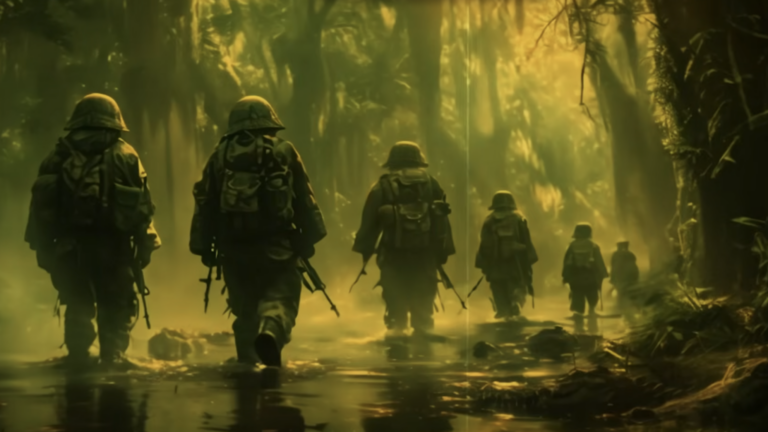
World War II produced countless brutal battles, but few are surrounded by as much mystery and horror as the events on Ramree Island in 1945.
At the time, roughly 1,000 Japanese soldiers were stationed on the island off the coast of Myanmar, then known as Burma. The British and Indian Allied forces launched an operation to take control of the area, aiming to establish strategic air bases in the Bay of Bengal.
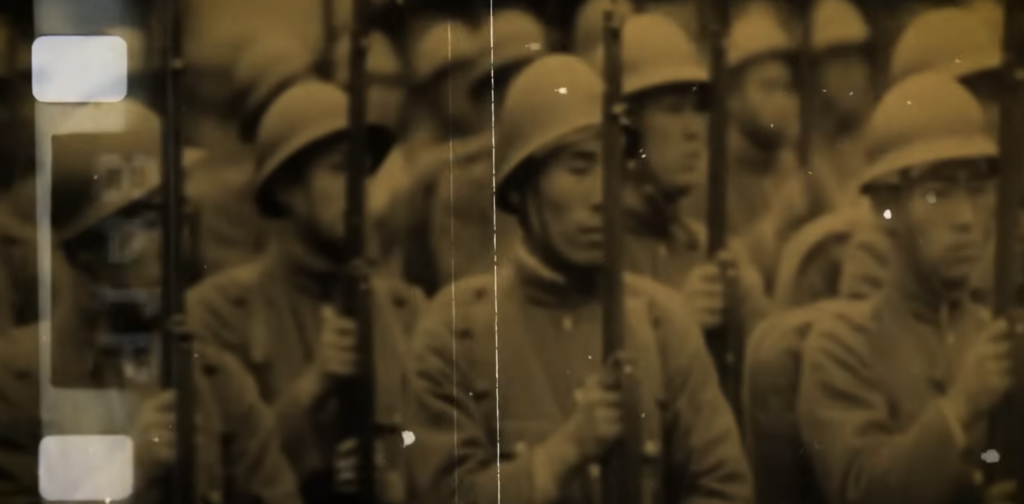
The fighting along the coastline was intense, but the Japanese forces were heavily outmatched. With warships offshore, air support overhead, and thousands of troops on the ground, the Allies slowly gained control. Still, surrender was not part of the Japanese mindset. Bound by the Bushido code, many soldiers chose to fight or retreat rather than give up.
Their commanding officer ordered a withdrawal through the island’s interior, hoping to regroup with other Imperial forces. That decision led them straight into one of the most hostile environments imaginable.
The route to safety cut through around 16 kilometers of dense mangrove swamps. These waters were thick with disease, insects, and hidden dangers. Soldiers struggled through mud while dealing with dehydration, exhaustion, and illness. Fresh water was nearly impossible to find, forcing some to drink contaminated sources, which only worsened their condition.
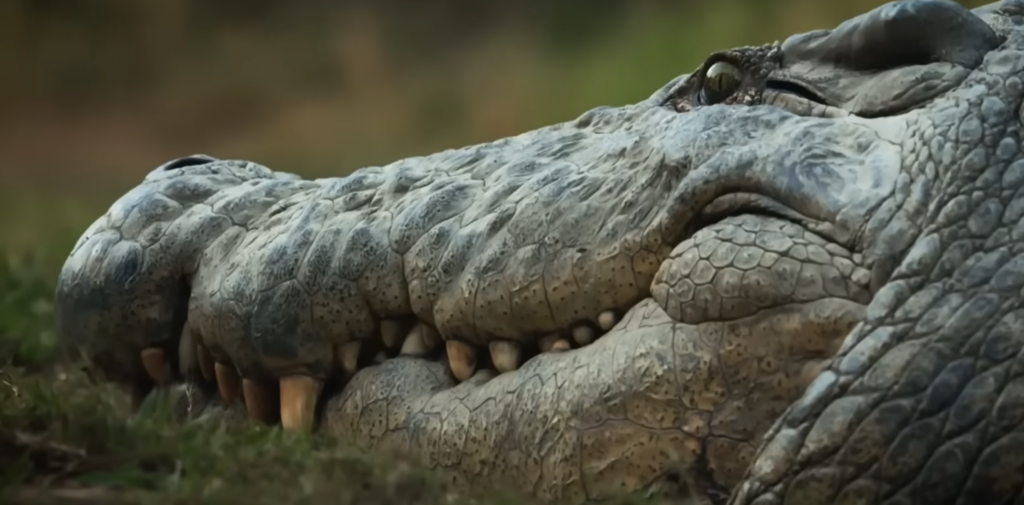
As if the environment itself was not enough, the swamp was also home to saltwater crocodiles. These massive predators are capable of growing over 6 meters long and ambushing prey directly from the water without warning. In an already weakened state, the soldiers were easy targets.
Accounts from the time describe chaos unfolding in the darkness. Gunfire echoed through the swamps while men tried to push forward blindly through the mud. Some attempted to escape by crossing channels to the mainland, only to face drowning or attacks in the water.
One British naturalist attached to the forces later described hearing screams and gunshots during the night, combined with the sounds of crocodiles moving through the swamp. His report helped fuel the legend that hundreds of soldiers were killed by crocodiles in what became known as one of the most terrifying animal encounters in military history.
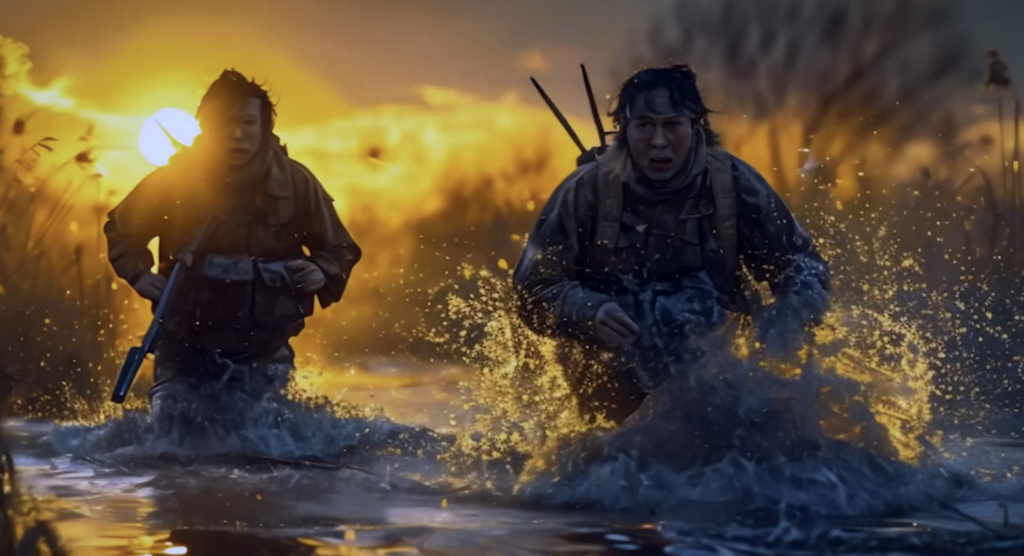
Early claims suggested that only about 20 Japanese soldiers survived the ordeal. However, later research challenged this figure. Modern investigations into military records and local accounts suggest that many more troops may have escaped the swamp, while others died from disease, exhaustion, combat, or drowning rather than crocodile attacks alone.
Some studies estimate that crocodiles likely killed only a small number of soldiers, with the majority of deaths caused by the harsh environment and ongoing fighting. Over time, exaggeration and legend may have transformed a desperate military retreat into a myth of mass crocodile slaughter.
Today, Ramree Island remains a place where history and legend overlap, reminding us how war in extreme environments can create stories that blur the line between fact and fear.