Few natural disasters are as terrifying as a powerful tornado. These rotating columns of wind can tear apart homes, toss vehicles through the air, and leave entire neighborhoods unrecognizable in a matter of minutes. If you were caught directly in the path of nature’s most violent tornado, could you survive?
Imagine being lifted off the ground and hurled through the air at speeds exceeding 480 km/h (300 mph). It wouldn’t just be the wind you’d have to worry about. Pieces of houses, shattered trees, and flying debris would become deadly projectiles. Even if the winds didn’t kill you, the impact when you came back down almost certainly would.
Fortunately, there are ways to improve your odds. Knowing what to look for, what supplies to keep on hand, and where to take shelter can make all the difference.

Knowing is Half the Battle
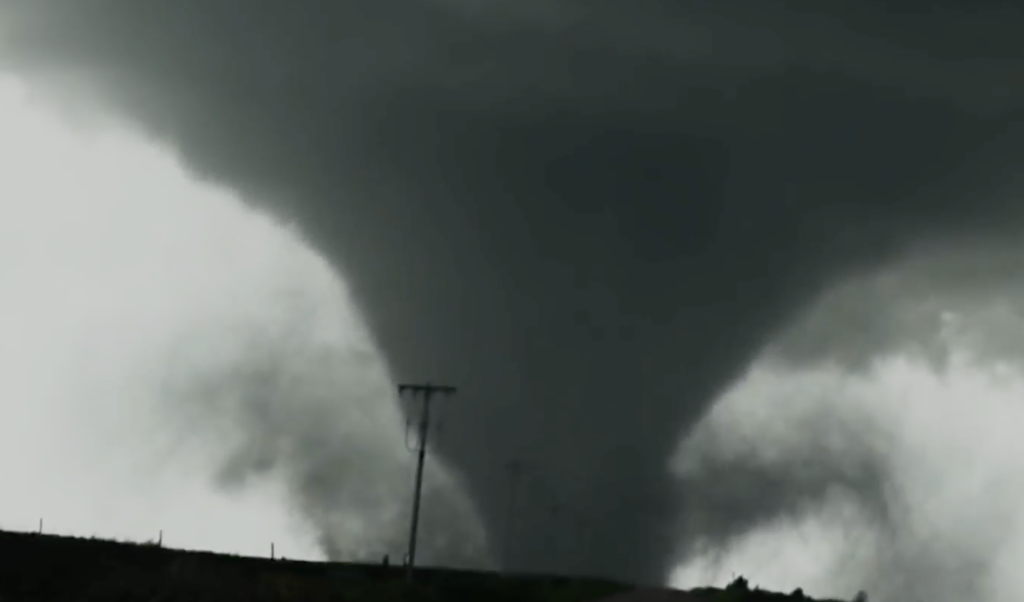
The strongest tornadoes rarely arrive without warning. Dark clouds with a greenish tint, severe thunderstorms, large hail, and a loud roaring noise similar to a freight train can all signal that a tornado is nearby.
Modern meteorologists classify tornadoes using the Enhanced Fujita Scale, which measures the damage left behind. The strongest category can produce winds exceeding 480 km/h (300 mph), capable of sweeping away well built homes and hurling vehicles like toys.
Get It Together
Preparation is one of the most effective survival tools you have. Keep an emergency bag ready at all times. It should include a flashlight with spare batteries, candles, matches, non perishable food, and enough water for at least three days.
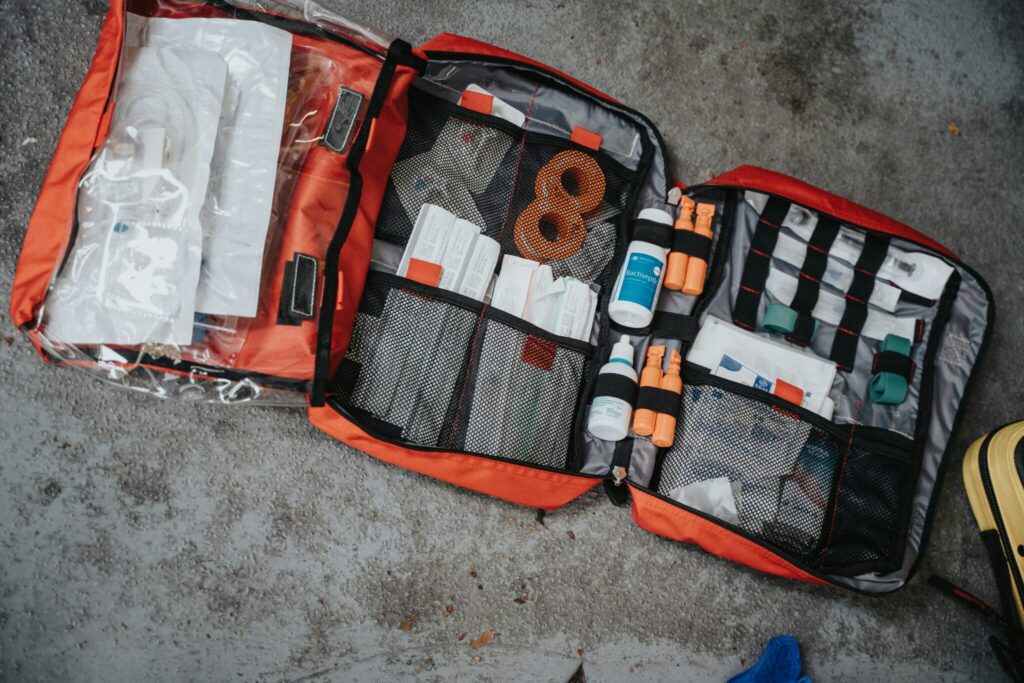
You should also pack cash, important phone numbers written on paper, a portable charger, a first aid kit, and a battery powered radio. Store everything somewhere easy to reach so you can grab it quickly if severe weather strikes.
Duck and Cover
If a tornado warning is issued, seek shelter immediately. A storm shelter, basement, or cellar offers the best protection. If none are available, move to a small interior room such as a bathroom or closet away from windows and exterior walls.
If you’re stuck in a building without a safe room, get under sturdy furniture and protect your head and neck from flying debris.
Pedal to the Metal
What if you’re driving when the tornado appears?
Keep your eyes on it. If it’s moving away, drive in the opposite direction. But tornadoes can change direction quickly and move unpredictably. Never assume you know where it’s headed.
If you can reach a sturdy building, do so immediately. If not, pull over safely, stay below the level of the windows, and cover your head with a jacket or blanket. Vehicles offer little protection against extreme tornadoes, but minimizing your exposure can improve your chances.
Aftermath
Surviving the tornado itself is only the beginning. Wait until authorities confirm the danger has passed before leaving shelter.
Use your phone or radio for updates. If you’re trapped, use a flashlight to assess your surroundings and call for help. Check on family members, neighbors, and anyone nearby who may need assistance.
Many communities open public buildings as temporary shelters after major disasters. And once everyone is safe, you’ll likely have another important call to make: your insurance company.
Nature’s most violent tornadoes are incredibly destructive, but preparation, quick thinking, and proper shelter can dramatically increase your chances of making it through one alive.