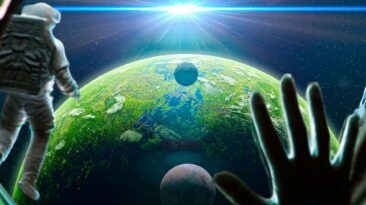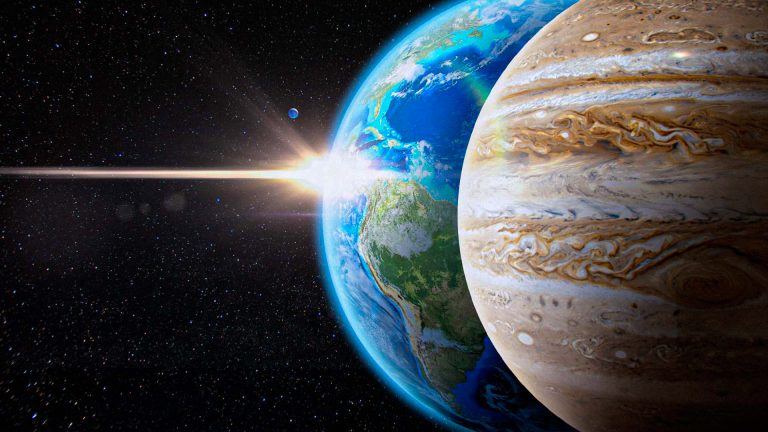
Ever wondered what it would be like if Earth suddenly became a true giant of the Solar System? Not just a little bigger, but the size of Jupiter itself. A world stretched into a massive super planet with oceans, continents, and mountains scaled up far beyond anything we know. But how would that change life as we know it? And could anything survive on it?
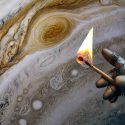
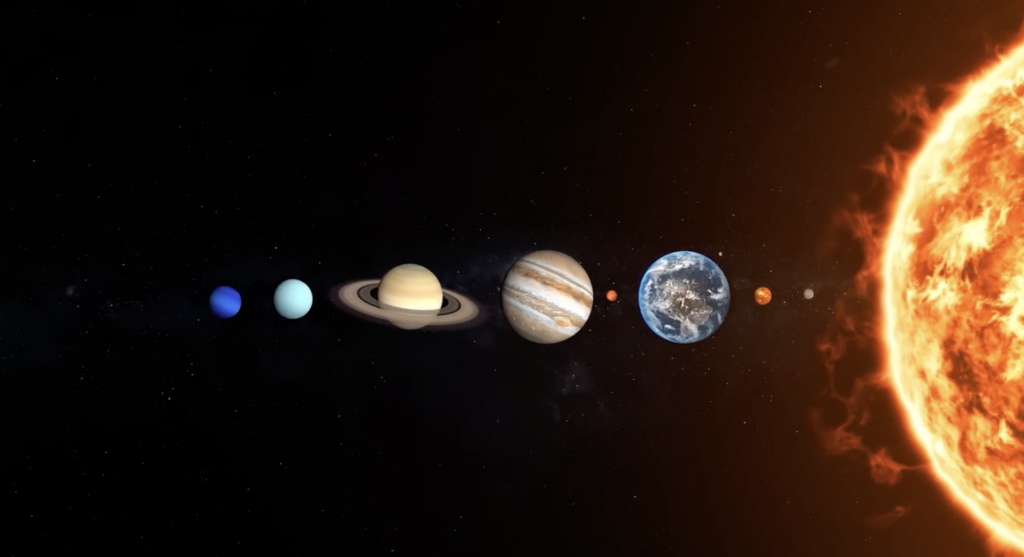
Right now, Earth is a dense rocky planet compared to Jupiter, which is a gas giant. Jupiter is about 11 times wider than Earth and far more massive overall. If Earth somehow grew to match Jupiter’s size, it would no longer be the familiar planet we call home. It would become something entirely new, a super super Earth far beyond normal planetary limits.
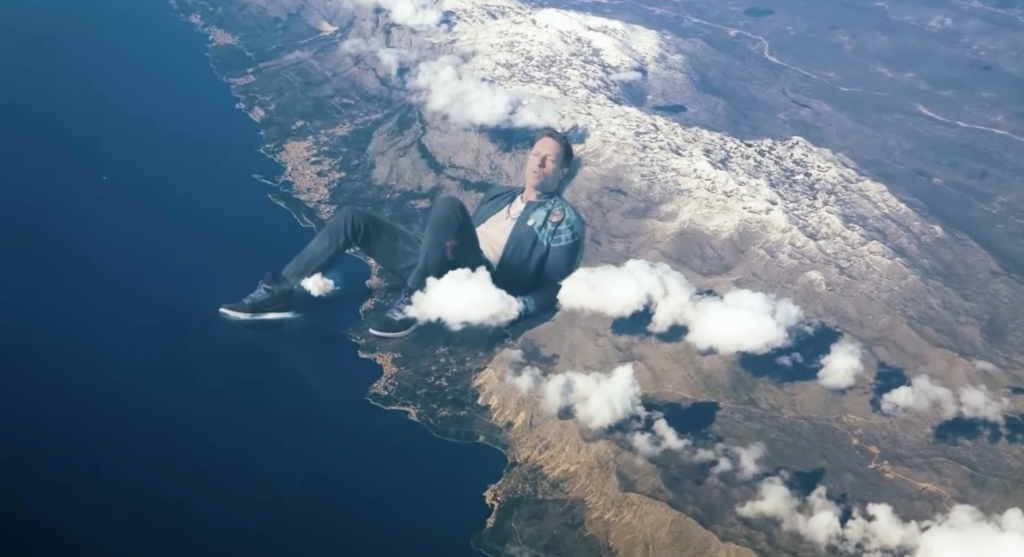
The most immediate change would be gravity. On a planet with Jupiter scale size, surface gravity could become around 11 times stronger than what we experience today. That means everything would suddenly feel 11 times heavier.
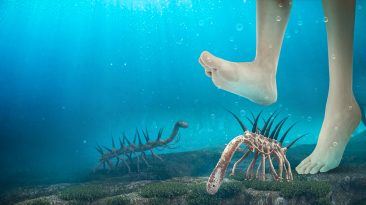
A person who weighs 70 kilograms would effectively feel like they weigh 770 kilograms. Even standing up would become a serious challenge. Walking might be impossible, and lifting your own body could feel like trying to move a small vehicle. Human biology is simply not designed for that kind of pressure.
Scientists suggest that humans could only adapt to a few times Earth’s gravity before the body begins to fail. At 11 times normal gravity, survival in our current form would likely be impossible. Bones, muscles, and even the heart would struggle under the extreme load.
But gravity would not just affect people. It would also reshape the entire environment. A much stronger gravitational field would compress the atmosphere, making air far denser and increasing surface pressure. Every breath would feel heavier, as if the sky itself was pressing down on you.
Water behavior would also change dramatically. The boiling point would rise far above 100 degrees Celsius, while freezing would become much more difficult. Oceans, lakes, and ice sheets would behave in ways completely unfamiliar to us today.
On a planetary scale, the effects would be even more extreme. The Moon would experience powerful tidal forces from the new Earth. In some scenarios, it could be stretched apart, forming a ring of debris around the planet. The night sky would slowly transform into a glowing band of broken lunar fragments.
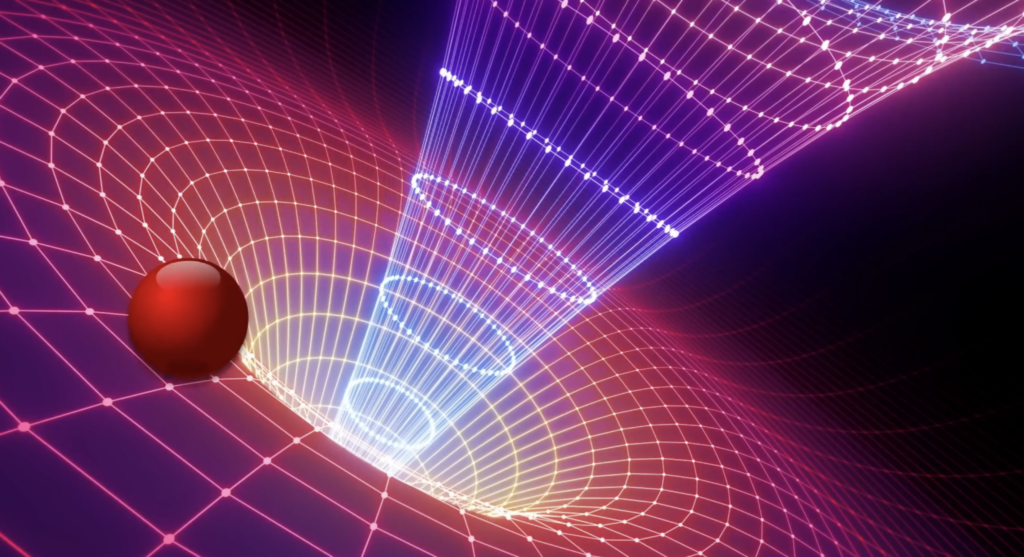
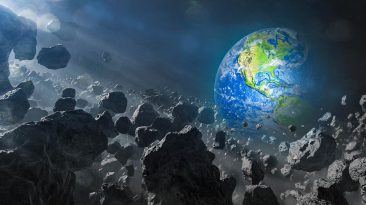
Even though the Sun is far more massive than Earth, a Jupiter sized version of our planet would still have a noticeable gravitational influence on nearby objects. Asteroids and small bodies in the Solar System could have their paths altered, increasing the chances of impacts or orbital disruptions.
The Solar System as a whole would become less stable. While Earth would not steal planets from the Sun, its new mass and size could still shift delicate gravitational balances that have existed for billions of years.
In the end, a Jupiter sized Earth sounds impressive, but it would be an extremely hostile place for life as we know it. The gravity alone would reshape everything from biology to geology to the structure of the atmosphere.
So perhaps Earth is exactly the right size after all. Big enough to support life, but not so big that it crushes it before it ever gets a chance to evolve.