If you ever find yourself deep in a rainforest and hear something heavy moving through the trees, you might want to stop and listen carefully.
Because what is approaching could be one of the most powerful birds on Earth.
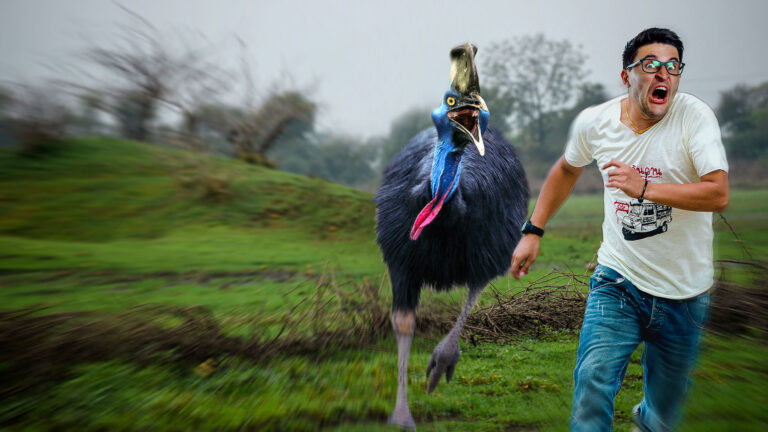
Cassowaries are often called the world’s most dangerous birds, and for good reason. They are fast, strong, and equipped with sharp claws capable of causing serious injury. Despite being flightless, they can run at speeds exceeding 48 km/h (30 mph), and they are surprisingly good swimmers and jumpers.
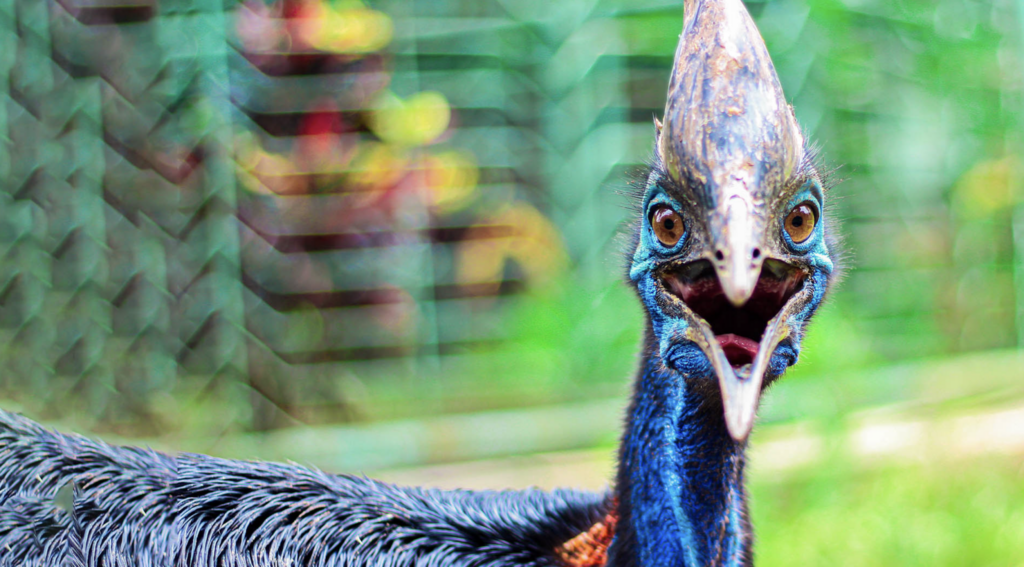
At first glance, they may look almost prehistoric. With their glossy black feathers, bright blue and purple necks, and a tall helmet like crest on their head, cassowaries are both beautiful and intimidating.
The largest individuals can stand up to 1.8 meters (6 ft) tall and weigh as much as 73 kg (160 lb), making them larger than many humans. Scientists often refer to them as living relics, closely related to ancient bird lineages that trace back millions of years.
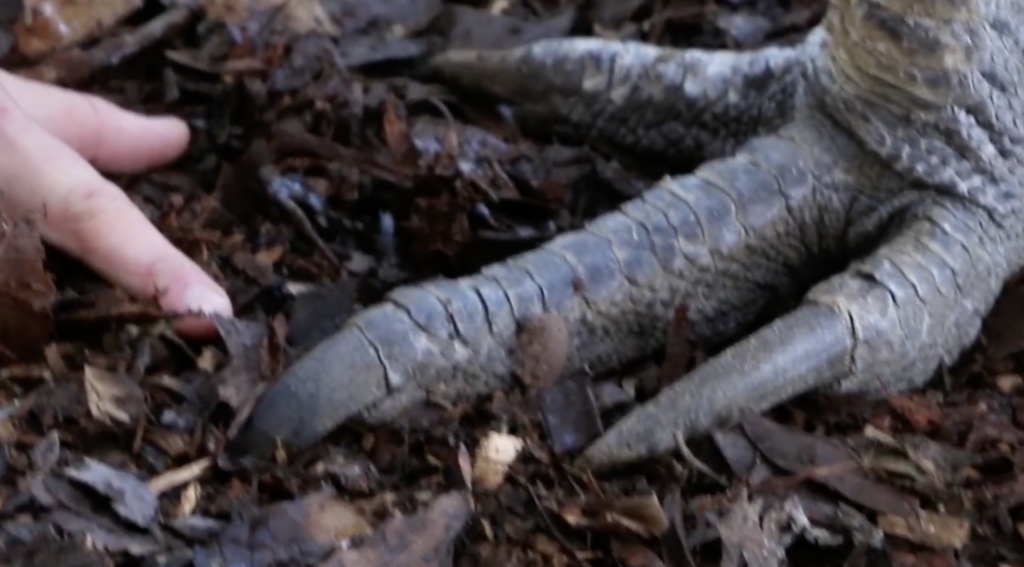
But what makes them so dangerous is not just their size, but their powerful legs. Each foot is equipped with a dagger like claw that can reach around 10 cm (4 in), capable of delivering a forceful kick when threatened.
Despite their reputation, cassowary encounters do not always end in conflict. In fact, many incidents involving humans occur due to feeding or approaching the birds too closely.
Research into recorded cassowary interactions has shown that a significant number of aggressive encounters begin when birds associate people with food. In areas where humans regularly feed them, cassowaries may become bold, approaching and even chasing people in search of food.
However, in the wild, cassowaries are typically shy and prefer to avoid human contact.
If you were ever to encounter one, scientists and wildlife experts emphasize several key survival principles based on documented behavior.
One important factor is posture. Lowering yourself or crouching can make you more vulnerable, as cassowaries tend to strike downward with powerful kicks. Standing your ground while slowly backing away is generally considered safer than sudden movements.
Turning your back on the bird is also discouraged unless you are creating distance carefully, as running blindly through dense terrain can increase risk.
In rare cases, cassowaries have caused serious injuries when they felt threatened or provoked. Most of these incidents involve humans attempting to approach, handle, or harass the animal.
Despite their fearsome reputation, cassowaries are not naturally aggressive toward humans. They act defensively when they feel cornered or when food conditioning changes their behavior.
One commonly recommended strategy in encounter situations is to move toward open areas. Cassowaries are forest dwelling animals and are less likely to pursue threats into exposed environments.
Experts also highlight that understanding their behavior is essential for safety. Sudden movements, loud noises, or attempts to interact can escalate tension, while calm, controlled distancing reduces risk.
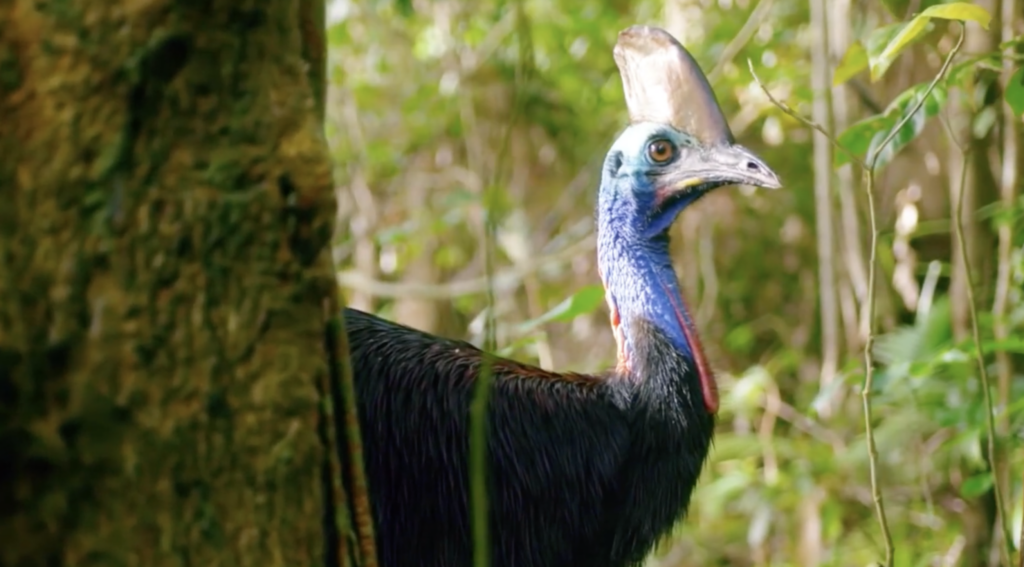
Although cassowaries can be dangerous, they are also critically important to their ecosystems. With fewer than 5,000 southern cassowaries estimated to remain in the wild, their conservation status has become a concern for scientists and wildlife organizations.
These birds play a key ecological role in rainforest regeneration. They consume the fruits of hundreds of plant species and disperse seeds across large distances, helping maintain forest diversity and growth.
In this way, cassowaries are not only powerful animals, but also essential contributors to the survival of their environment.
They represent a rare link to ancient evolutionary history, a reminder that some creatures still carry traits from a distant past.
Understanding them is not just about avoiding danger. It is also about recognizing the balance they help maintain in some of the world’s most fragile ecosystems.