Since the beginning of the year, more than 70 earthquakes measuring magnitude 6.0 or greater have rattled regions along the Pacific Ring of Fire. Some have been especially destructive. A powerful magnitude 7.8 earthquake struck near the Philippines, lifting sections of the seafloor by nearly two meters.
More recently, a series of deadly earthquakes devastated parts of Venezuela, killing hundreds of people and leaving widespread destruction behind.
These disasters raise an unsettling question. Could this growing seismic activity trigger something much larger?
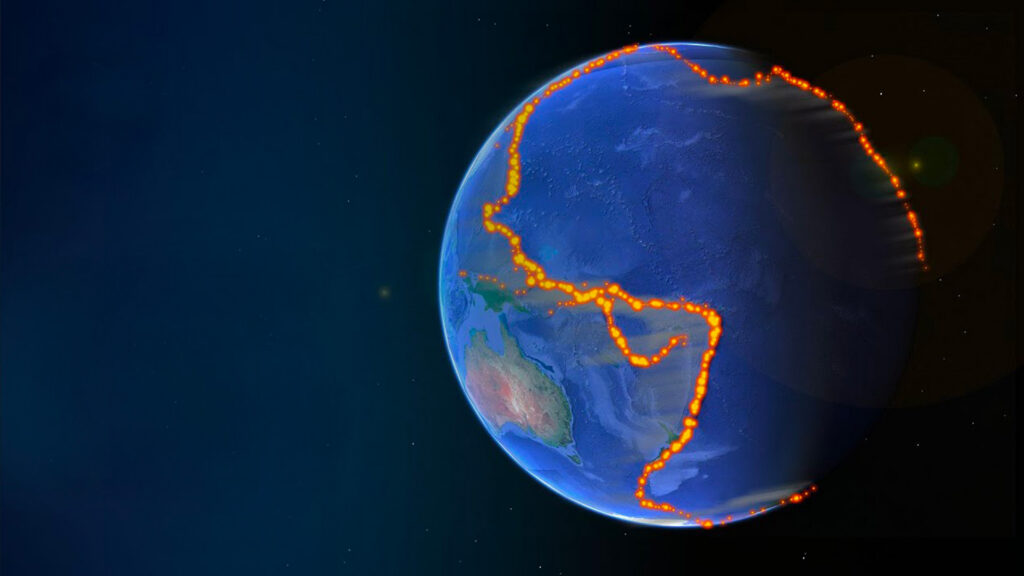
The Ring of Fire is the most active seismic zone on Earth. Stretching for roughly 40,000 kilometers around the Pacific Ocean, it is home to about 75 percent of the world’s active volcanoes and is responsible for around 90 percent of all recorded earthquakes.
The constant movement of massive tectonic plates beneath this region creates enormous pressure that is released through earthquakes and volcanic eruptions.
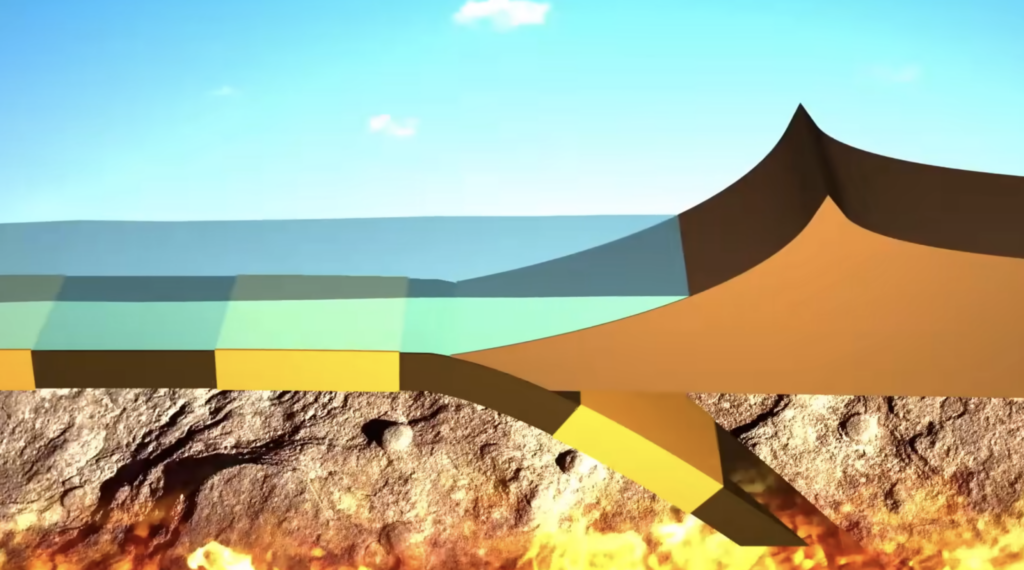
The process begins deep underground where one tectonic plate slides beneath another in a process known as subduction. As the descending plate sinks into the mantle, it melts into magma. Because magma is lighter than the surrounding rock, it slowly rises toward the surface. Along the way, gases become trapped inside it. When enough pressure builds, a volcano can erupt with tremendous force.
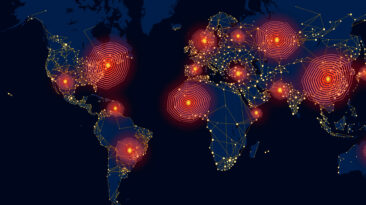
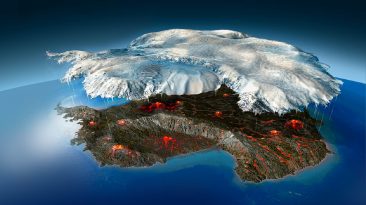
If every volcano in the Ring of Fire somehow erupted at the same time, the consequences would be almost unimaginable. Entire regions surrounding the Pacific would be struck by powerful earthquakes, explosive volcanic eruptions, and massive tsunamis racing across the ocean.
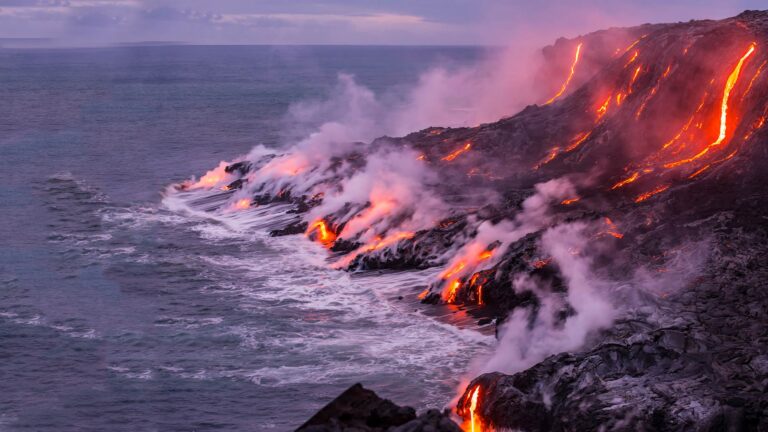
Cities located near active volcanoes would face immediate danger from lava, falling rock, and fast moving pyroclastic flows.
However, the greatest threat would not be the lava itself. Volcanic ash and toxic gases could spread around the globe within days. Thick clouds of ash high in the atmosphere would block a significant amount of sunlight, lowering global temperatures. Scientists observed a smaller version of this effect after Mount Pinatubo erupted in 1991, temporarily cooling parts of the planet by about 0.4 degrees Celsius.
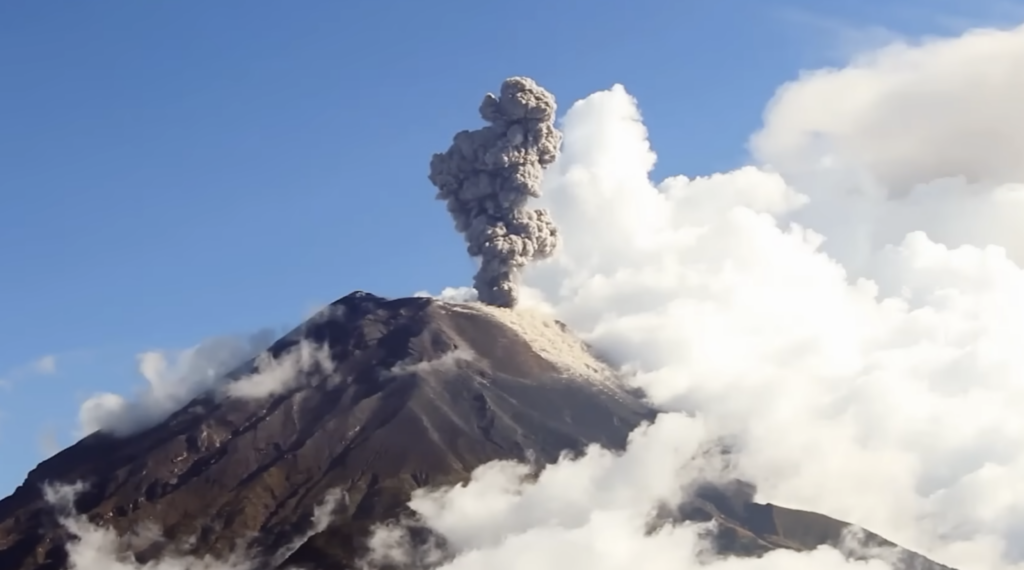
A worldwide blanket of volcanic ash could also devastate agriculture. Reduced sunlight would shorten growing seasons and damage crops, creating food shortages that could affect millions of people. At the same time, volcanic gases released into the atmosphere could produce acid rain, harming forests, freshwater supplies, and marine ecosystems.
Coral reefs and countless ocean species would be placed under severe stress.
Fortunately, such a global eruption is considered extraordinarily unlikely. Scientists do not expect all 452 active volcanoes in the Ring of Fire to erupt simultaneously. A catastrophe on that scale would likely require an enormous tectonic event, such as the gradual formation of a future supercontinent over millions of years.
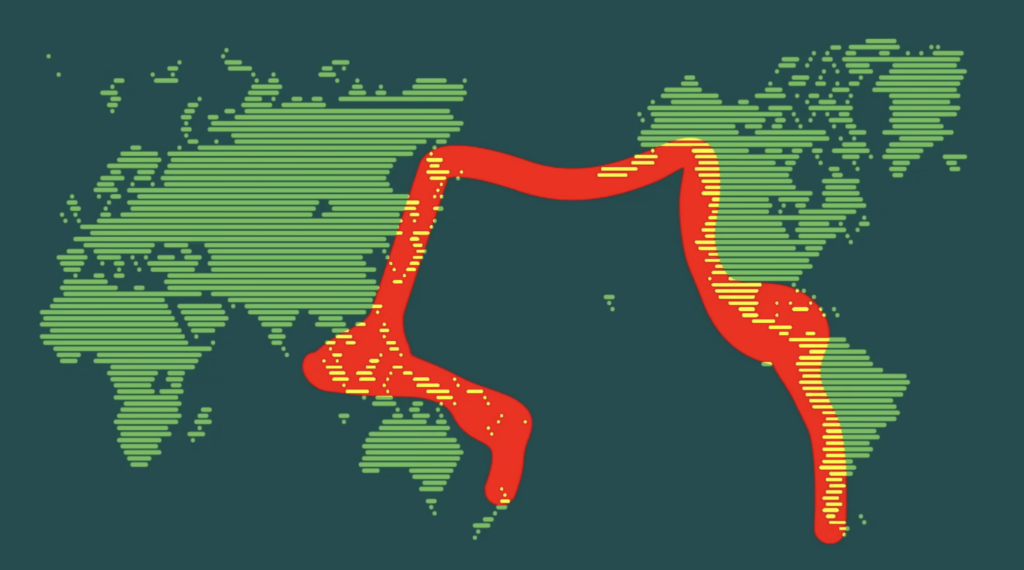
Even so, the Ring of Fire remains one of the most dangerous places on Earth. Volcanoes will continue to erupt, and powerful earthquakes will continue to strike. While the number of eruptions has not significantly increased over time, the potential damage has. As more people build homes and cities near active volcanoes, the risks grow larger with every generation.
The Ring of Fire may never erupt all at once, but its constant activity serves as a reminder that the forces shaping our planet never truly rest.