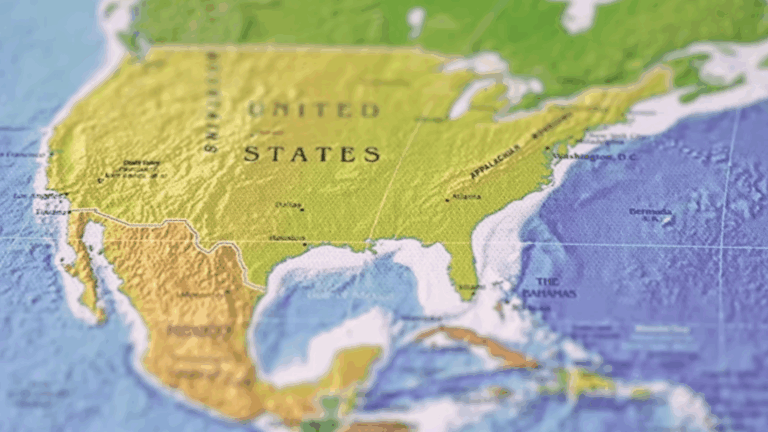
Imagine a world where the United States never existed as a single nation. Instead of one country stretching from the Atlantic to the Pacific, North America is divided into dozens of powerful Indigenous states, each with its own culture, government, and history. This alternate timeline isn’t the result of politics or civil war. It begins with one simple question: what if Christopher Columbus had never reached the Americas?
Many people grow up learning that Columbus discovered America in 1492. In reality, the story is far more complicated. Archaeological evidence suggests that Norse explorers reached parts of North America centuries before Columbus, and there are also theories that Polynesian sailors made contact with the continent before Europeans arrived.
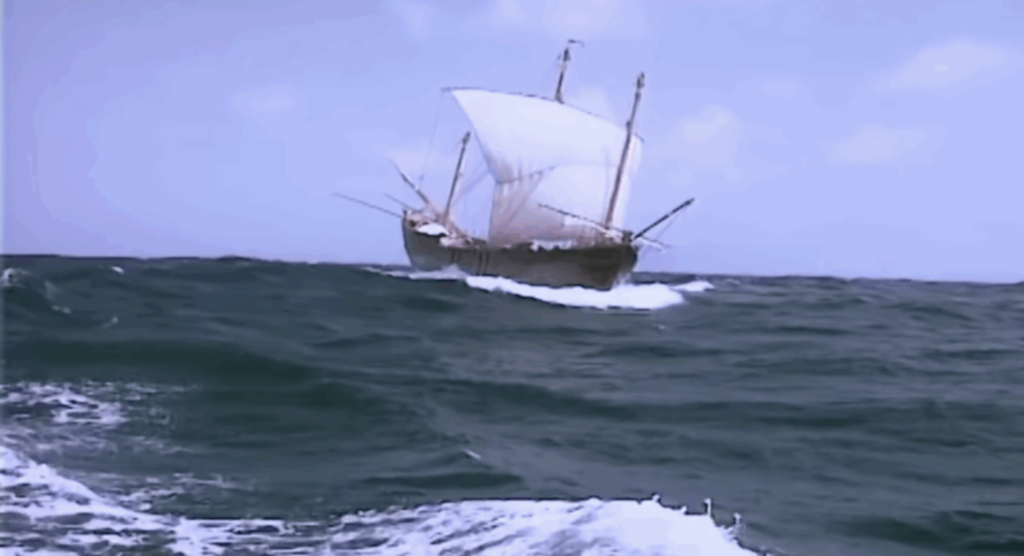
More importantly, Columbus did not discover an empty land. Tens of millions of people were already living throughout North and South America, forming thriving civilizations with advanced agriculture, trade networks, and complex political systems. His arrival simply marked the beginning of a wave of European exploration that dramatically reshaped the world.
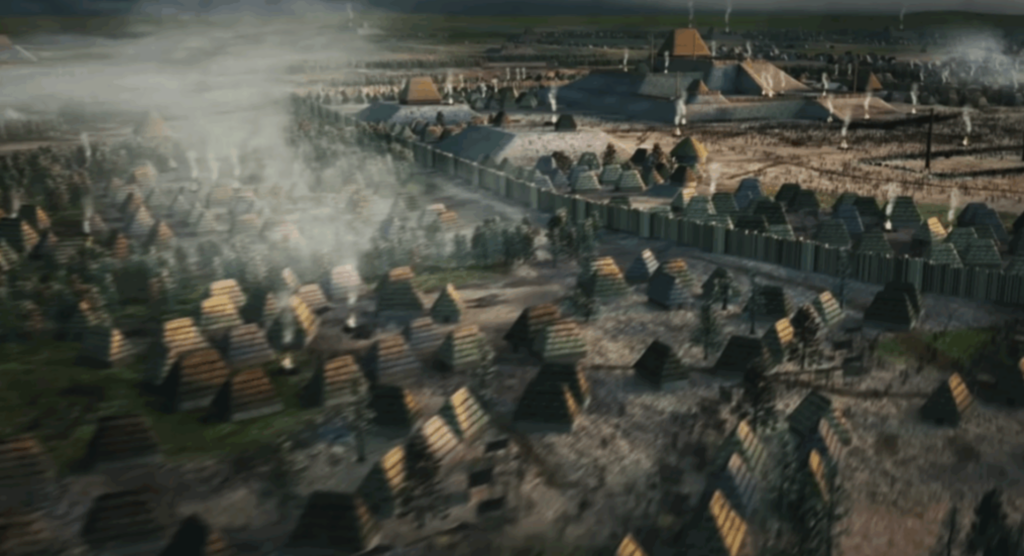
Before imagining this alternate history, it is important to understand what the Americas actually looked like before European colonization. They were not sparsely populated wildernesses occupied only by scattered tribes. Instead, they were home to countless communities that had flourished for thousands of years.
Many historians believe that the first people arrived in the Americas roughly 20,000 years before Columbus was born. During that immense span of time, societies developed unique traditions, religions, governments, and technologies. Hundreds of different languages emerged across the continents, reflecting remarkable cultural diversity.
Everything changed after European settlers began arriving. Along with explorers came diseases such as smallpox and measles, illnesses that Indigenous populations had never encountered before. Combined with warfare, forced labor, displacement, and the collapse of established societies, these events caused one of the greatest population declines in human history.
Research from University College London estimates that nearly 56 million Indigenous people died within just over a century of European colonization. Beyond the staggering loss of life, entire cultures, languages, and traditions disappeared forever. Many Indigenous communities were enslaved, stripped of their identities, and pressured to abandon their beliefs in favor of European customs and Christianity.
If colonization had never occurred, North America would likely look completely different today. Instead of a handful of modern countries, the continent could resemble Europe, with numerous independent nations constantly forming alliances, expanding territory, and competing for influence.
Some smaller societies would almost certainly have been absorbed by larger and more powerful neighbors over time. Borders would have shifted through wars, diplomacy, and migration, creating an ever changing political landscape.
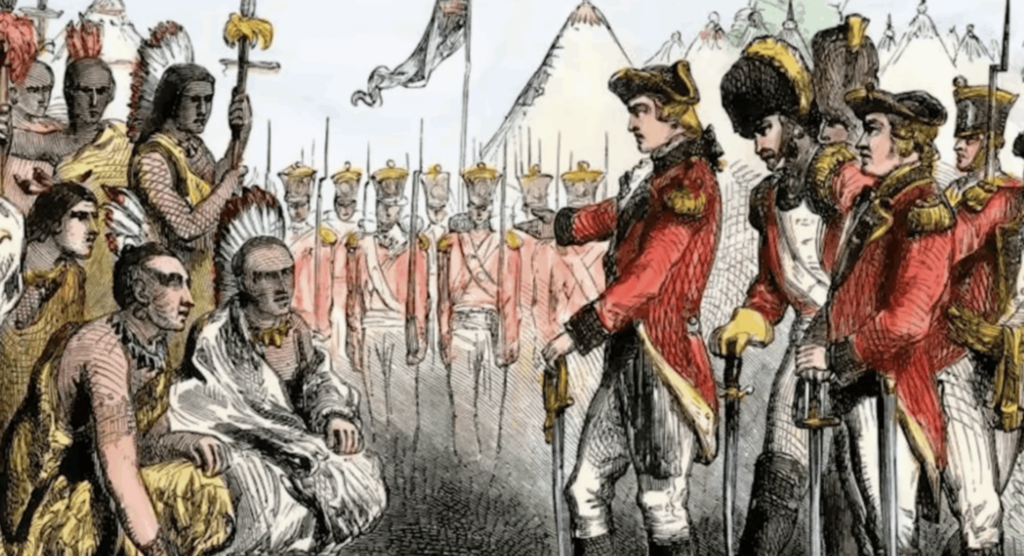
Among the strongest contenders for regional dominance were the Iroquois Confederacy. Known for their sophisticated political structure, productive agriculture, and military strength, they were already one of the most influential powers in northeastern North America. Without European intervention, the Confederacy may have expanded even farther, controlling much of the Great Lakes region and large portions of the Mississippi River basin.
Daily life would also be noticeably different. European crops such as wheat would likely never have become staples across the Americas. At the same time, foods native to the New World, including potatoes, tomatoes, and corn, might have reached Europe much later or perhaps by entirely different routes.
Still, it is difficult to imagine that the Americas would have remained isolated forever. By the late fifteenth century, European nations were actively searching for new trade routes, wealth, and territory. Even if Columbus had failed to cross the Atlantic, another explorer would probably have arrived sooner or later.
Today, there are very few unexplored frontiers left on Earth. The next great discoveries may lie beyond our planet. If humanity eventually settles another world, history offers an important lesson. The way civilizations meet can shape the future for centuries, making respect and cooperation just as valuable as exploration itself.