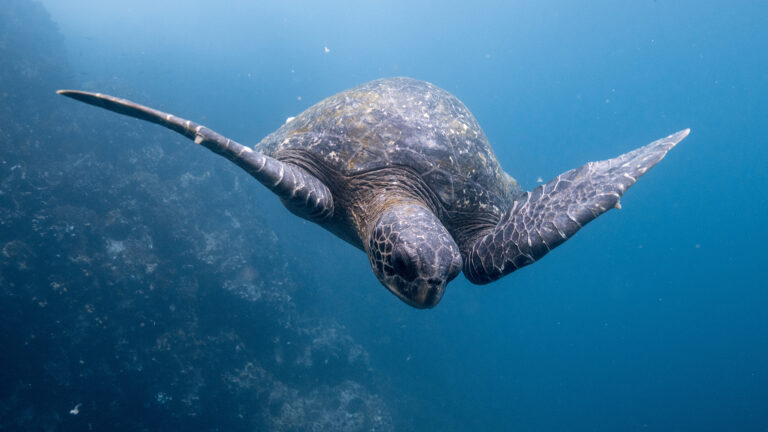
If you ever find yourself exploring the ocean, there are plenty of hazards you would expect. Sharks, jellyfish, strong currents, and unpredictable waters all come to mind. But scientists have recently uncovered something far more surprising lurking beneath the surface. Sea turtles may be far more capable hunters than anyone previously believed.
In fact, new observations suggest that sea turtles can use their flippers in ways that resemble precise, powerful strikes against prey, almost like a “karate chop” used to pin or control their target. This unexpected behavior is forcing researchers to rethink what these animals are truly capable of.
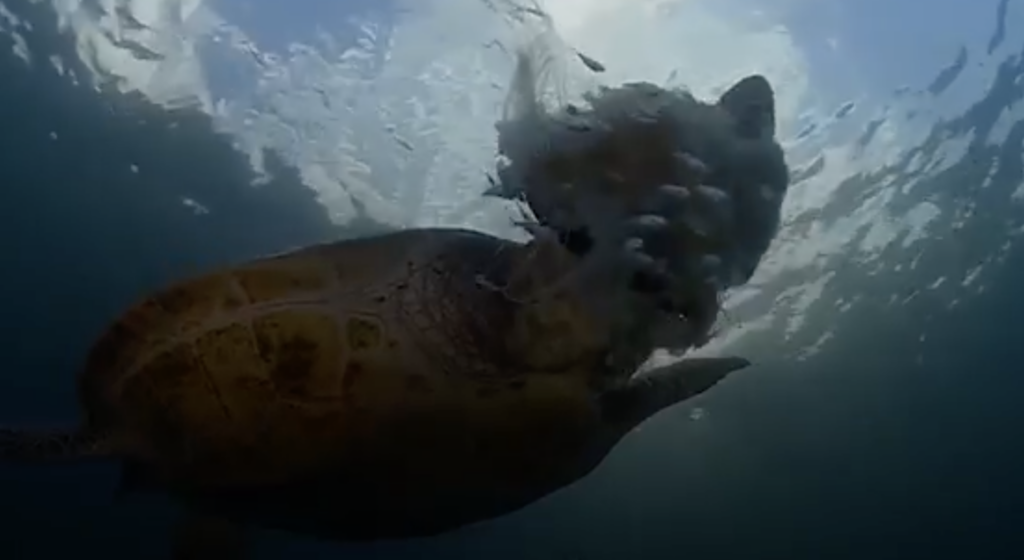
Until recently, sea turtles were thought to rely on their flippers mainly for swimming and steering through the water. Their movements were considered simple, repetitive, and mostly instinct driven. However, new evidence suggests their flippers may function more like adaptable tools than basic paddles.
Scientists have now observed turtles using their flippers to dig, push, hold, and even manipulate objects in their environment. In some cases, they appear to pin prey against the seafloor with surprising precision before feeding. These actions are far more complex than what was previously assumed possible for such ancient marine reptiles.
One of the most puzzling aspects of this behavior is how it develops. Sea turtles do not have a highly developed frontal cortex, the part of the brain associated with fine motor control in many animals. They also lack fingers or limbs that are naturally suited for gripping or handling objects. On top of that, young turtles receive no parental teaching or training, which raises the question of how these coordinated behaviors emerge at all.
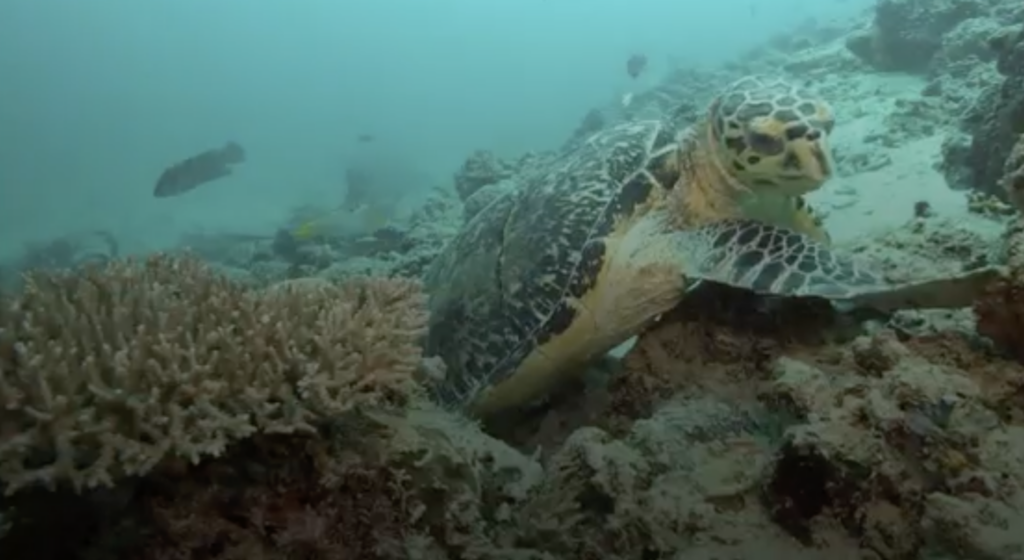
Researchers studying sea turtle behavior have identified multiple distinct flipper actions, including pushing, swiping, digging, and striking like movements. These motions suggest a level of adaptability that goes beyond simple swimming mechanics and may be shaped entirely by environmental pressures and survival needs.
This discovery adds to a growing list of surprising abilities already known about sea turtles.
Despite their slow and calm appearance, sea turtles are capable of extraordinary feats of endurance. Some species can dive to depths of around 1,000 meters and remain underwater for hours by drastically slowing their heart rate to conserve oxygen. This allows them to survive in environments that would be impossible for many other air breathing animals.
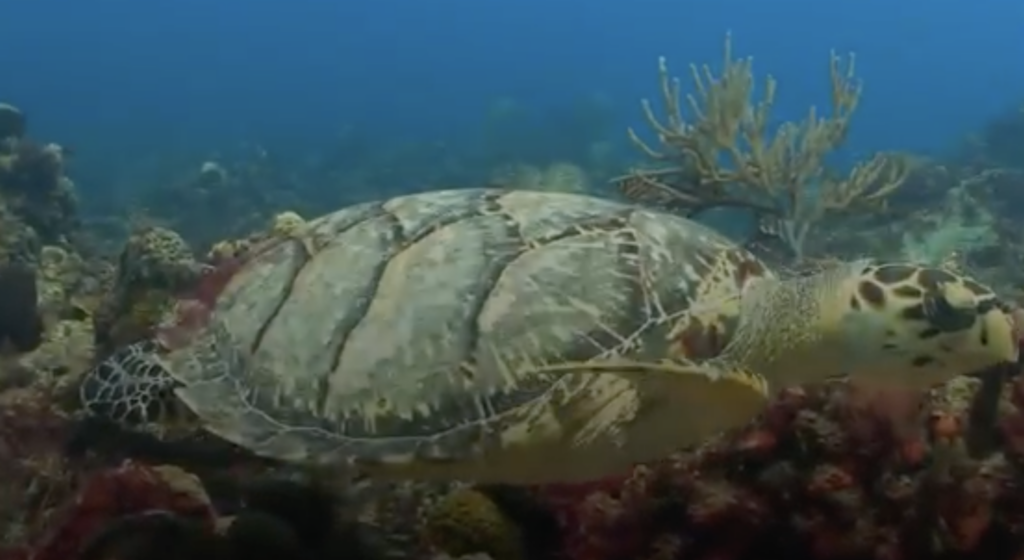
Their migration abilities are equally impressive. One famously tracked turtle traveled more than 14,000 kilometers across the Pacific Ocean, moving from Baja California all the way to Japan in just over a year. Even more remarkable is how they navigate such vast distances. Sea turtles are believed to use the Earth’s magnetic field as a natural navigation system, effectively giving them a built in biological compass that guides them back to the beaches where they were born.
Taken together, these abilities paint a very different picture of sea turtles than the simple, slow moving creatures they are often assumed to be. Instead, they appear to be highly adapted survivors with hidden skills that scientists are still working to fully understand.
And now, with evidence suggesting they can use their flippers in striking, precise ways to hunt and control prey, it is becoming clear that sea turtles are far more complex than they first appear.