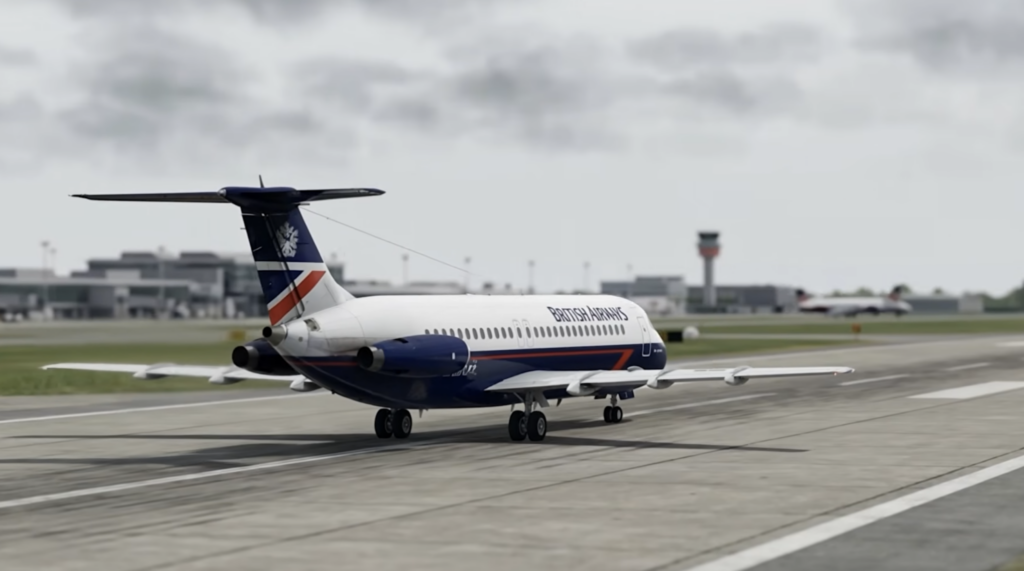
On June 10, 1990, British Airways Flight 5390 was preparing for a routine journey from the United Kingdom to Spain after a short delay.
On board were Captain Timothy Lancaster, co pilot Alastair Aitchison, four flight attendants, and 81 passengers. Everything suggested an ordinary flight. Takeoff was smooth, autopilot was engaged, and the cockpit felt calm enough for both pilots to briefly relax their restraints.
Thirteen minutes after departure, at around 17,000 feet, that calm was shattered.
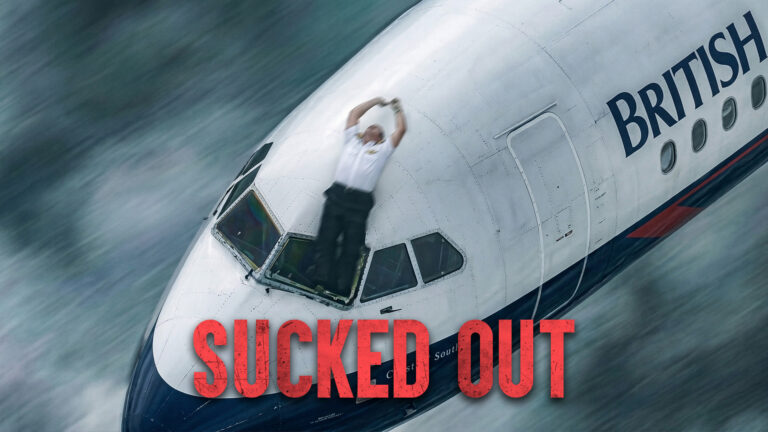
A sudden explosive sound came from the front of the aircraft. In an instant, the cockpit windshield blew outward, and the pressure difference turned the flight deck into a violent wind tunnel. The cockpit door was ripped from its frame, and the aircraft was suddenly exposed to extreme conditions at altitude.
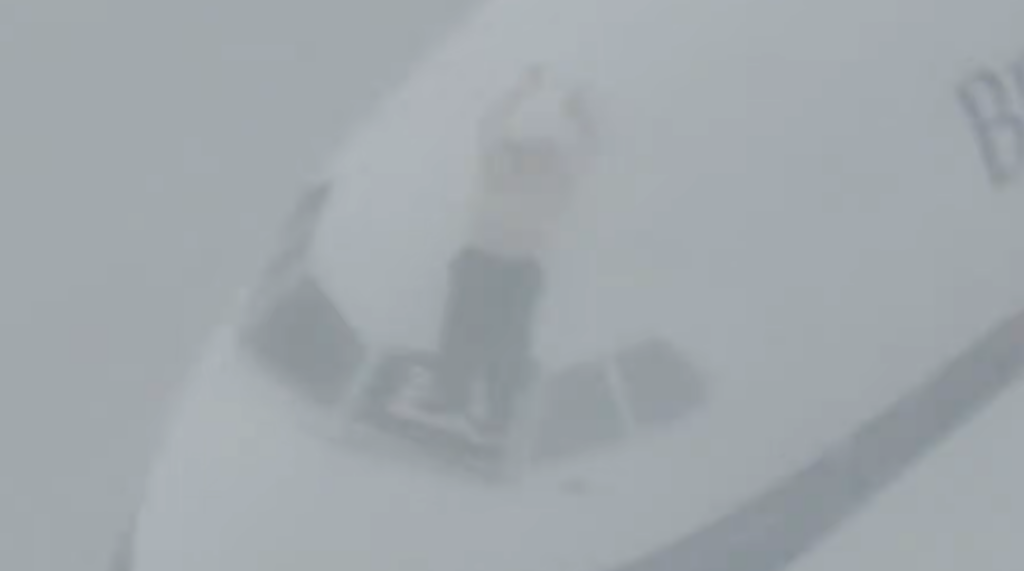
Captain Lancaster was pulled straight out of his seat.
His body was forced halfway through the shattered window, pinned against the exterior of the aircraft while his legs remained inside the cockpit. Flight attendant Nigel Ogden, who had just checked on the pilots moments earlier, rushed forward and grabbed onto Lancaster’s legs. Co pilot Aitchison struggled to maintain control of the aircraft while dealing with deafening wind noise and instruments being obstructed by the captain’s legs.
Communications with air traffic control were nearly impossible. Oxygen levels were dropping, and the crew knew they had only minutes before the situation became fatal for everyone on board.
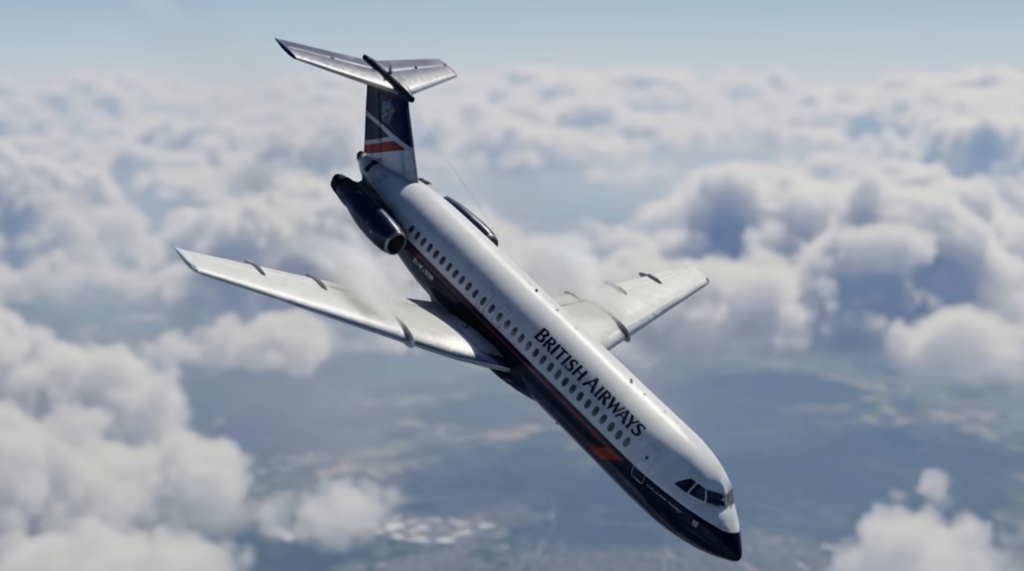
Outside the cockpit, conditions were unimaginable. Lancaster was exposed to winds estimated near 390 miles per hour and freezing temperatures at high altitude. The force on his body was so extreme that it was later described as feeling like hundreds of pounds of weight pulling him outward.
Inside the cabin, panic never fully took over. The crew instructed passengers to stay seated and keep their seatbelts fastened while they fought to stabilize the aircraft. Ogden struggled to maintain his grip, and another flight attendant, Simon Rogers, rushed in to help hold the captain in place. At times, blood was visible near the cockpit window, and Lancaster appeared lifeless, increasing the urgency of every second.
If his body were released, it could have been drawn into the engine intakes, turning a survival situation into a catastrophic failure.
Eventually, Aitchison managed to regain partial control and descend to a lower altitude where breathable oxygen levels returned. With remarkable composure, he guided the aircraft toward an emergency landing.
Against all expectations, British Airways Flight 5390 landed safely.
All passengers survived. Captain Lancaster survived as well, suffering serious injuries including frostbite and a fractured elbow.
The cause of the near disaster was later traced to a maintenance error. The cockpit windshield had been replaced just 27 hours before the flight, and the wrong screws had been used during installation. They were slightly too small, unable to withstand the pressure difference at cruising altitude.
One small mechanical mistake had nearly cost 82 lives.
Captain Lancaster eventually returned to flying months later, but the incident remains one of the most extraordinary examples of how a single overlooked detail can push an aircraft, and everyone inside it, to the edge of disaster.