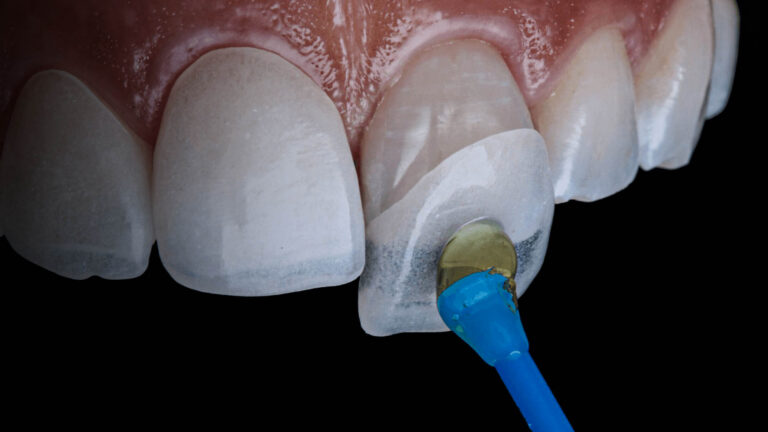
Would you shave down your teeth just for a perfect smile? A lot of people on social media said yes and jumped into the veneer trend. But here is the catch, what many people call veneers are often actually crowns.
Veneers only cover the front surface of the tooth, but crowns cover the entire tooth. To place them, a dentist may need to shave down up to 60 percent of your natural tooth structure.
And if the procedure is not done carefully, your nerves can be at serious risk.
When a dentist starts drilling into your teeth, it can feel like a high stakes version of a game where one wrong move causes intense pain. If a nerve gets hit, the pain can radiate through your entire body in an instant.
And if the drill sound already makes you uncomfortable, the reality is even worse. Once nerve damage or infection becomes too severe, one of the most common next steps is a root canal.
But before we get there, there are other dental procedures that deserve attention because they are far from pleasant.
One of the most well known and widely feared procedures is dental implants.
If you have a missing tooth, a dentist may recommend replacing it with a titanium screw that is inserted into the jawbone. This screw acts as a replacement root for a new artificial tooth.
To work properly, it must fuse directly with the bone over time. The process is slow, but permanent, and once it heals, the implant becomes a fixed part of your mouth.

Another common issue is receding gums.
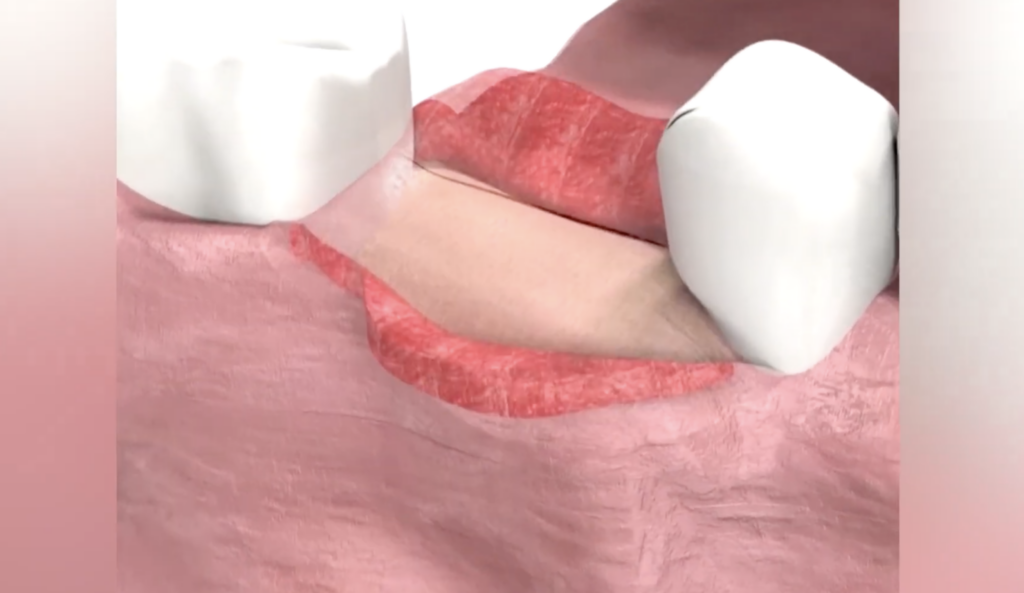
This happens when the gum tissue slowly pulls away from the teeth, exposing sensitive roots that were never meant to be exposed. It can lead to pain, infection, and even bone loss if left untreated.One treatment for this is gum grafting.
In this procedure, a dentist takes tissue from another part of your mouth and attaches it to areas where the gums have receded. It sounds simple, but the recovery can be uncomfortable, especially for people already dealing with gum disease or sensitivity.
Then there are wisdom teeth.
These late arriving molars often cause chaos in the mouth because there simply is not enough space for them. They can grow sideways, get trapped under the gums, or push against other teeth like they are forcing their way into a crowded room.
When this happens, wisdom tooth extraction becomes necessary.
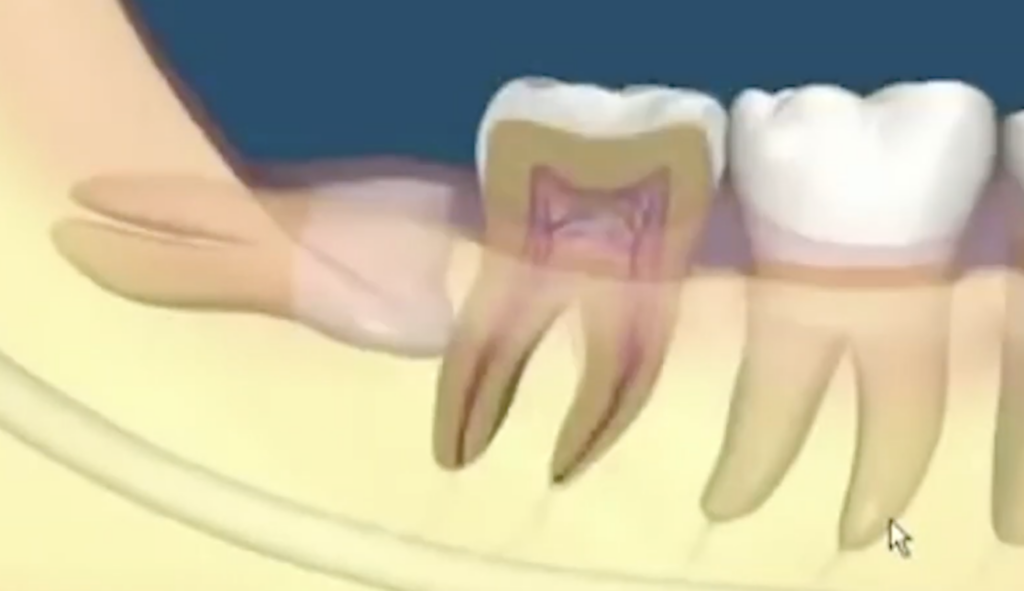
In many cases, the dentist or oral surgeon will use anesthesia, so you do not feel the procedure itself. But recovery afterward can involve swelling, soreness, and difficulty eating for several days.
Another common solution for missing teeth is a dental bridge.
A bridge replaces a missing tooth by anchoring an artificial tooth to the healthy teeth on either side. It restores function and appearance, but if missing teeth are left untreated, nearby teeth can shift out of place and create long term bite problems.
Then comes one of the most feared procedures of all, the root canal.
A root canal is performed when the nerve inside a tooth becomes infected or severely damaged. The dentist removes the infected tissue, cleans the inside of the tooth, and seals it to prevent further infection.
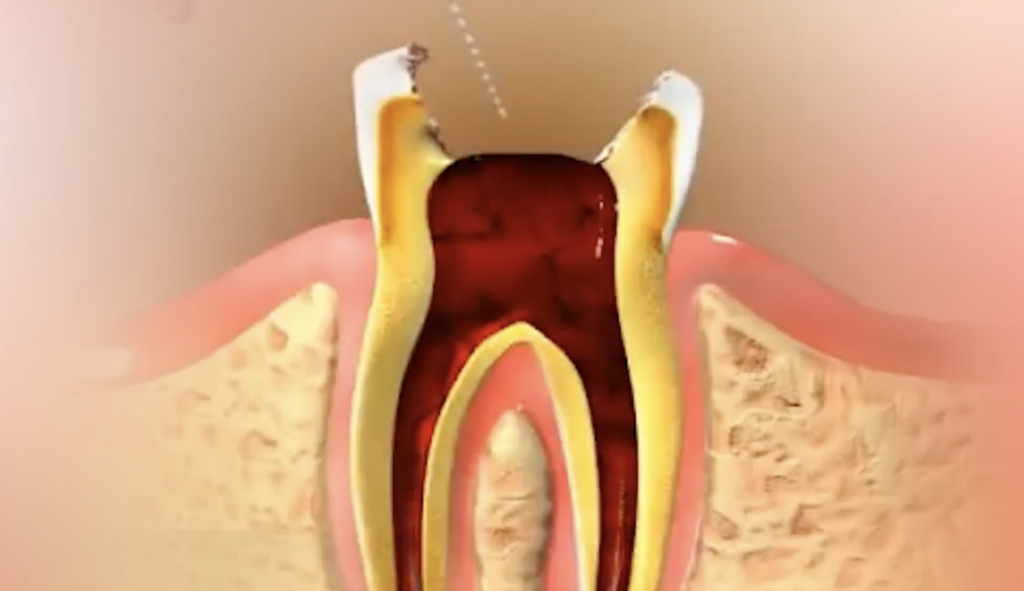
While anesthesia is used, the condition leading up to it is often extremely painful, including sensitivity to heat, cold, and constant throbbing discomfort.
After the procedure, some soreness is normal, but it is usually far better than leaving the infection untreated. Despite its reputation, a root canal is often the procedure that saves the tooth rather than destroys it.
In the end, modern dentistry has made even the most painful procedures manageable and often necessary for long term health. Still, it is hard not to think twice the next time someone mentions drilling, implants, or wisdom teeth.
And it makes you wonder why anyone would willingly shave down their teeth for a trend in the first place.