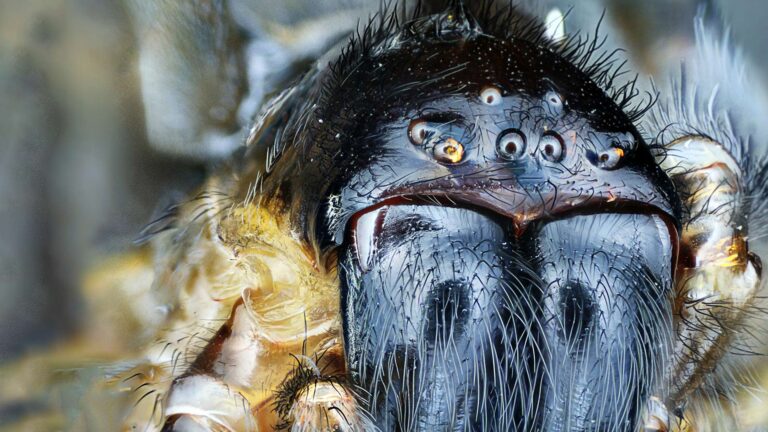
Imagine spending a quiet night in an old cabin deep in the woods. Everything feels peaceful until you notice something moving on the wall. Then another one appears. Suddenly, the room seems covered with spiders. Your heart starts racing, your chest tightens, and your entire body feels overwhelmed by fear.
This intense reaction is known as arachnophobia, one of the most common specific phobias in the world. It affects more than 420 million people globally, meaning millions of people experience extreme fear and anxiety when they see or even think about spiders.
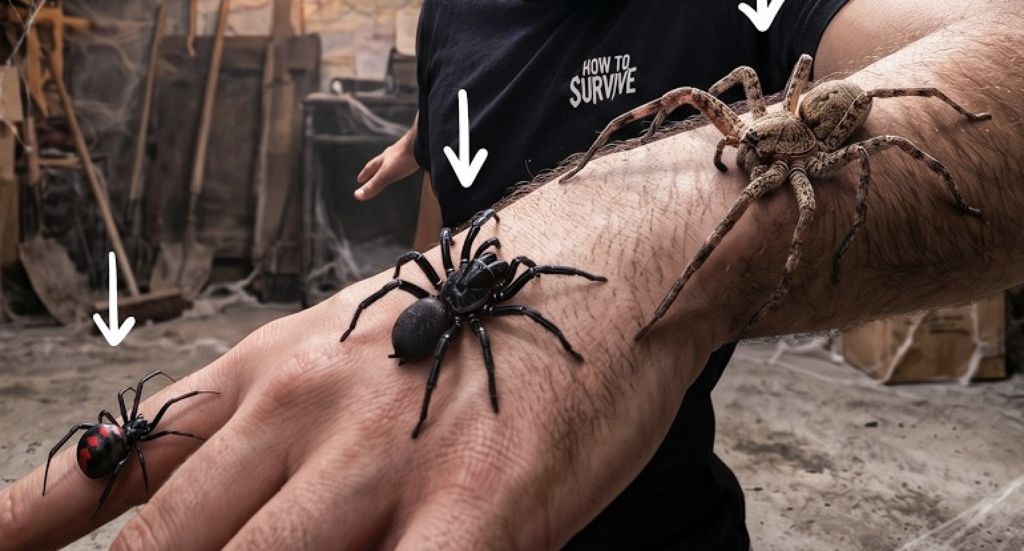
For someone with arachnophobia, the reaction can go far beyond simple discomfort. Symptoms may include a rapidly increased heart rate, difficulty breathing, dizziness, confusion, and a feeling of losing control. Some people even change their daily routines to avoid places where spiders might appear. However, because spiders exist almost everywhere, complete avoidance is nearly impossible.
But why are so many people afraid of spiders? And is this fear actually justified?
The first step in overcoming arachnophobia is learning to stay calm. A panic response can sometimes create more danger than the spider itself. In one case in Wales, a woman experienced a severe panic reaction after a spider fell onto her while she was driving. She lost control of her vehicle, causing a crash that later resulted in a fatality. The incident showed how powerful fear can become when it takes over our reactions.
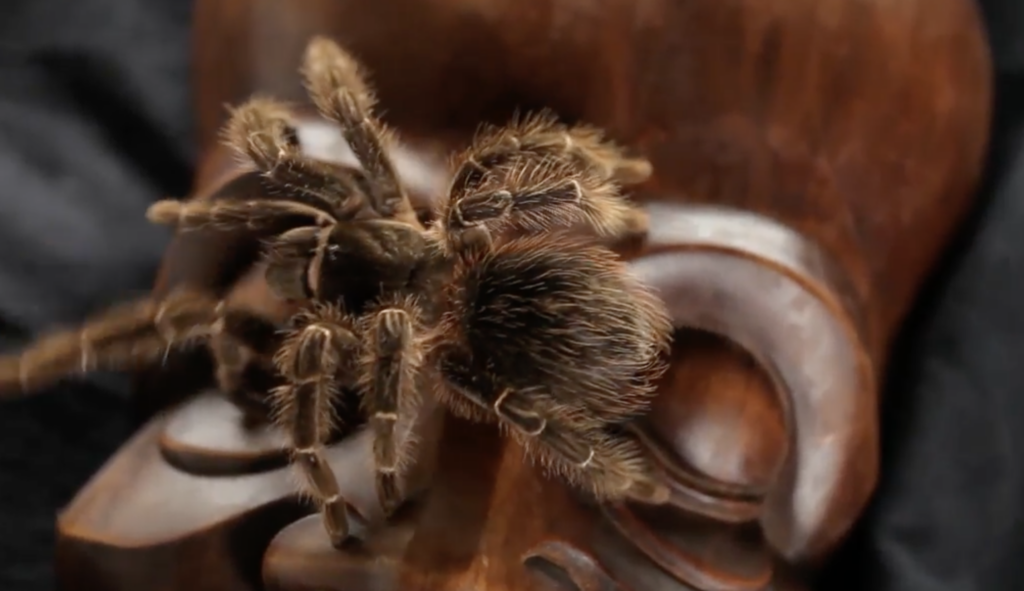
Understanding spiders can also help reduce unnecessary fear. There are more than 40,000 known spider species around the world. While many spiders produce venom, the vast majority are harmless to humans. Only a small number of species are capable of causing serious harm, and very few have ever been responsible for human deaths.
Even dangerous spiders, such as black widows and brown recluses, generally do not attack humans unless they feel threatened. Giving spiders space and avoiding areas where they commonly hide, such as wood piles, rocks, and dark corners, can greatly reduce the chance of unwanted encounters.
Another way to change the way we see spiders is to understand their role in nature. Although spiders may look frightening, they are extremely valuable predators. They help control populations of mosquitoes, flies, and other pests that can spread disease. Without spiders, ecosystems would become much harder to manage.
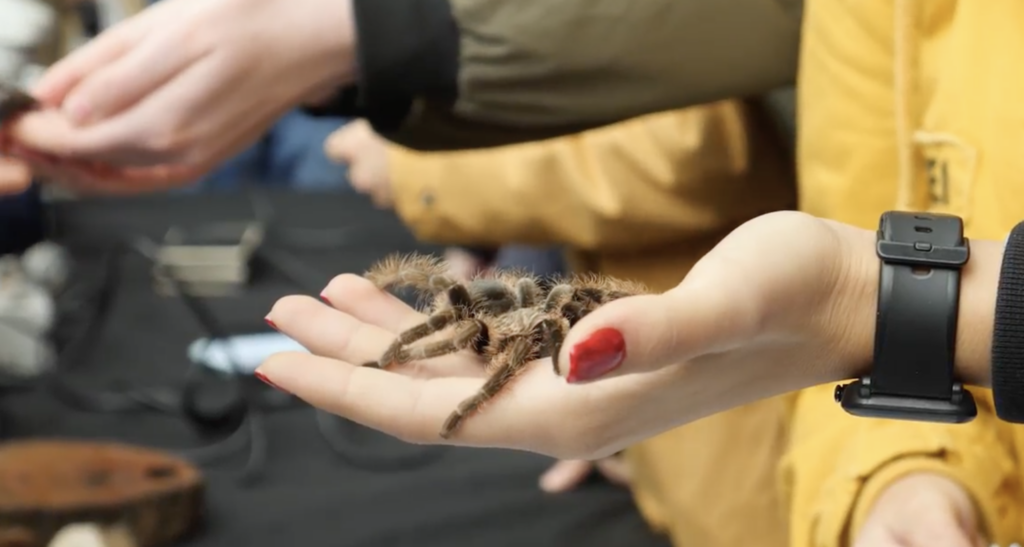
For people with severe arachnophobia, professional treatments can be highly effective. Exposure therapy has helped many people reduce or overcome their fear, with success rates ranging from 75% to 95%. Modern approaches have also introduced virtual reality treatments, allowing patients to face their fear without encountering a real spider. Some newer methods even use images with spider-like features instead of actual spiders.
Scientists believe the fear of spiders may have an evolutionary origin. In studies involving six-month-old babies, researchers found that infants showed stronger stress responses when viewing spider images compared with harmless pictures like flowers. Because the babies were too young to develop cultural fears, scientists suggested that sensitivity toward spiders may be partly inherited.
Arachnophobia may feel overwhelming, but understanding the science behind it can help people regain control. Spiders are not the monsters our minds often imagine them to be. They are important creatures that play a vital role in keeping nature balanced.
By staying calm, learning the facts, and using modern treatments when needed, even one of humanity’s oldest fears can become something much easier to manage.