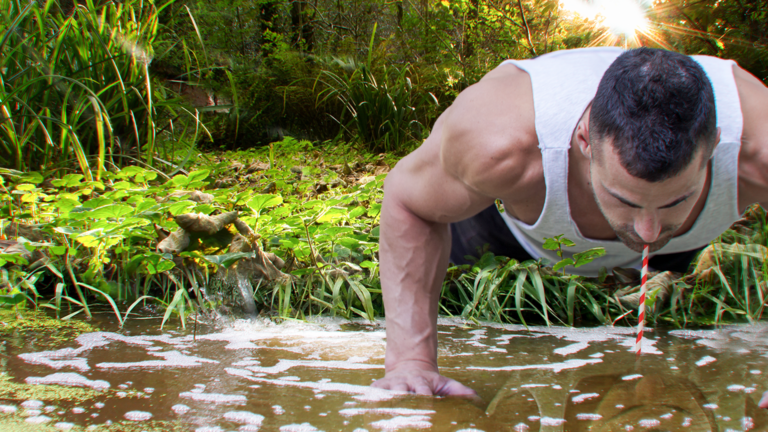
Getting lost in the wilderness can quickly become a life or death situation. After spending more than 24 hours alone, finding a source of freshwater might feel like a miracle. But drinking directly from a river, lake, or stream without knowing what is inside could turn your best chance of survival into a serious threat.
Hidden bacteria, parasites, and other harmful organisms can cause dangerous illnesses that weaken your body when you need strength the most. In survival situations, the environment is not always your biggest enemy. Often, the mistakes people make are what put them in the most danger.
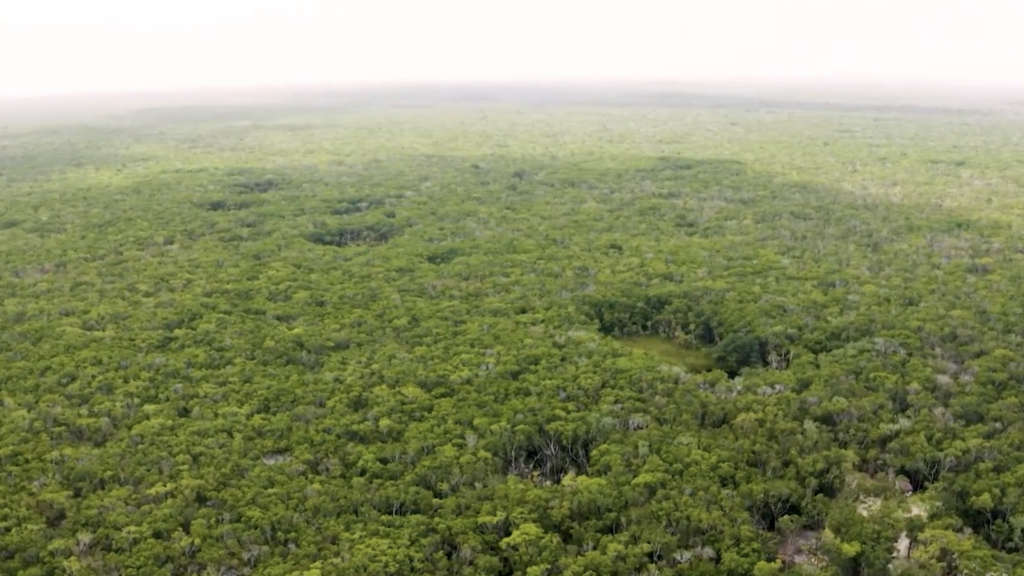
Even with modern technology, thousands of search and rescue missions happen every year. Many involve people who become lost while hiking, exploring, or traveling through remote areas. While most rescues happen quickly, survival depends on making smart choices until help arrives.
Here are the five most dangerous survival mistakes people make and how to avoid them.
5. Not Knowing How to Make Fire
Fire is one of the most valuable survival tools. It provides warmth during cold nights, allows you to cook food, helps purify water, protects against some animals, and can be used to signal rescuers.
One common mistake is waiting too long to start a fire. As conditions become colder or darker, finding dry materials becomes much harder.
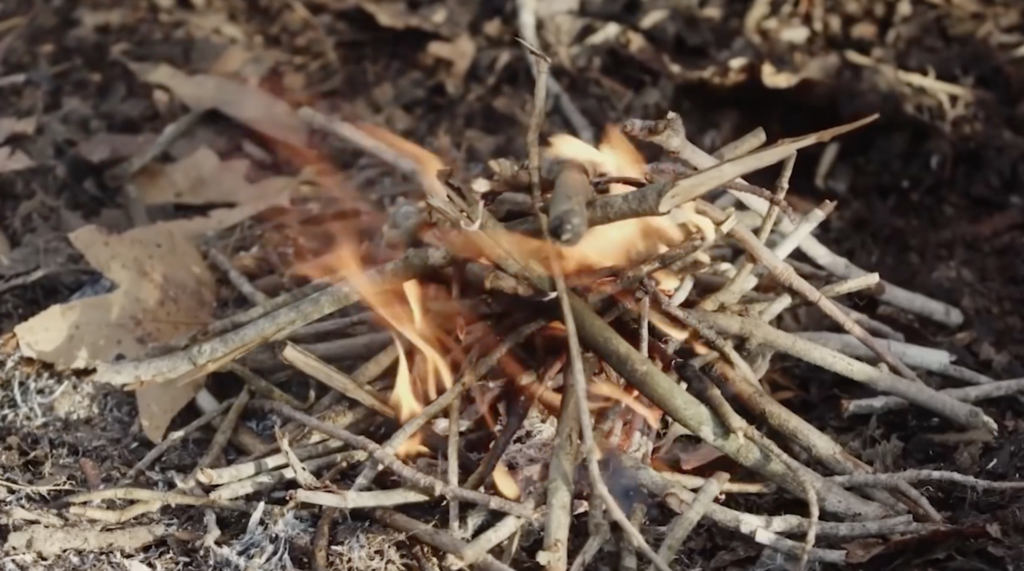
The best way to build a fire is to start small. Look for dry grass, dead branches, and small pieces of wood that catch easily. Avoid green plants or wet materials because they are much harder to burn.
If you lose your matches or lighter, you may need to improvise. In certain situations, sunlight can be focused through objects like glasses or clear ice to create enough heat to start a flame.
A fire is not just about comfort. In many survival situations, it can be the difference between life and death.
4. Building a Weak Shelter
A shelter is one of the first things you should think about when stranded outdoors. Many people underestimate how quickly weather conditions can become dangerous.
A poor shelter may leave you exposed to freezing temperatures, heavy rain, strong winds, and exhaustion. Even if the weather seems calm, conditions can change overnight.
The best temporary shelters use the environment around you. A fallen tree, rock wall, or natural structure can provide protection and save valuable energy.
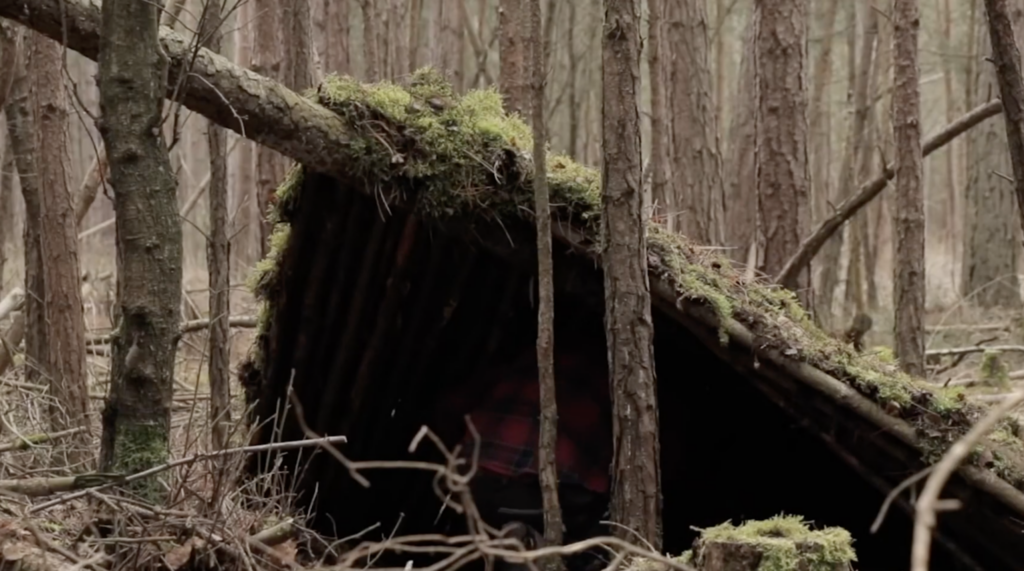
If there is no natural shelter available, a round structure similar to a teepee can offer better protection because it surrounds your body with insulating materials.
However, choosing the right location is just as important as building the shelter. Never build too close to rivers or streams because sudden floods can destroy your shelter and put your life at risk.
3. Having No Navigation Skills
Getting lost is one of the most common reasons people need rescue. Without basic navigation skills, panic can lead you farther away from safety.
Before entering the wilderness, you should know your route, understand the terrain, and know how to use basic tools like a compass.

If you become lost, avoid randomly walking in different directions. Instead, try to reach higher ground where you can see more of your surroundings. You may spot roads, trails, buildings, or other signs of civilization.
The Sun can also help with basic direction. Since it moves from east to west, it can provide a general idea of where you are heading.
Navigation skills may not seem important before a trip, but they can become one of your most valuable survival abilities.
2. Ignoring Basic First Aid
Basic first aid knowledge can greatly increase your chances of survival. Open wounds should be cleaned as soon as possible and protected from dirt and bacteria. Severe bleeding requires immediate attention, and tourniquets should only be used when absolutely necessary because incorrect use can cause additional harm.
If you break a bone, stabilize the injury using a support such as a branch and cloth. Trying to move or reset the bone without proper training can make the damage worse. Having even basic medical knowledge can make a huge difference while waiting for rescue.
1. Drinking Unsafe Water
The biggest survival mistake is drinking water without making sure it is safe.
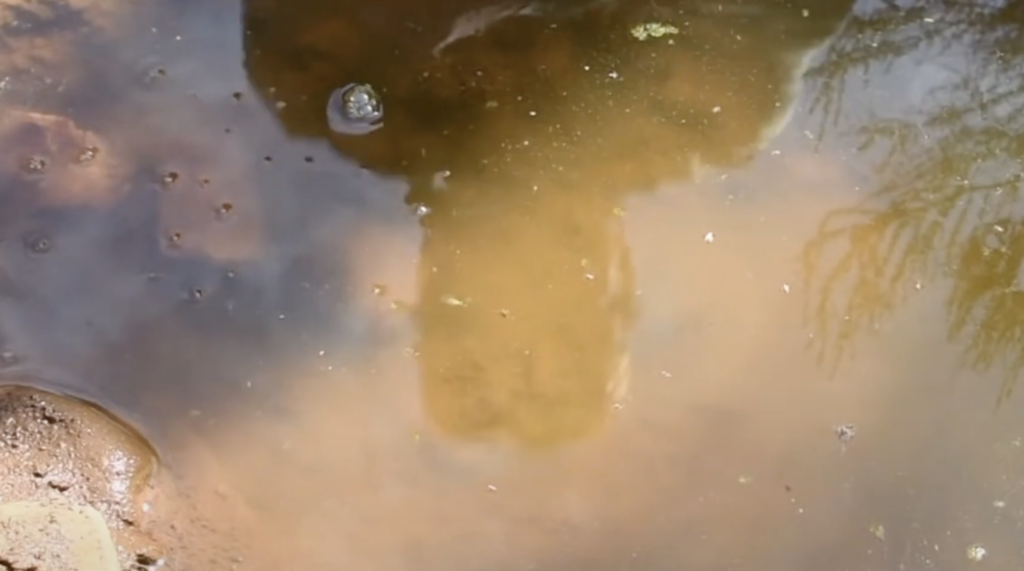
Water is essential, and humans can only survive a few days without it. But contaminated water can contain bacteria, parasites, and viruses that cause severe illness.
A clear stream may look safe, but it can still contain harmful organisms from animals, pollution, or upstream contamination. Stagnant water is especially dangerous because it often contains higher levels of harmful microorganisms.
Whenever possible, water should be boiled before drinking. This simple step can remove many dangerous threats and prevent an illness that could make survival much harder.
Avoiding Survival Mistakes Can Save Your Life
Surviving in the wilderness is not only about strength or having expensive equipment. It is about making smart decisions under pressure.
Knowing how to create fire, build a shelter, navigate, treat injuries, and find safe water can dramatically improve your chances of survival.
The wilderness can be unpredictable, but the biggest danger is often not the environment itself. It is making the wrong choice when your life depends on making the right one.