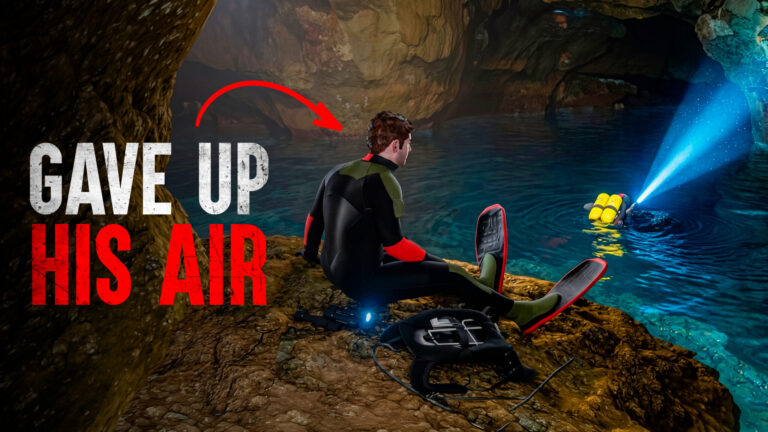
Deep beneath the surface of Mallorca, Spain, an experienced cave diver found himself facing a nightmare scenario. He was trapped hundreds of meters inside an underwater cave with no oxygen tank, no food, no way out, and no guarantee that anyone would find him alive.
For 60 hours, Xisco Gràcia waited in darkness, surrounded by rising carbon dioxide levels and the constant threat of hypothermia. His survival depended on his preparation, experience, and the difficult decision that separated life from death.
Cave diving is considered one of the most dangerous forms of exploration.
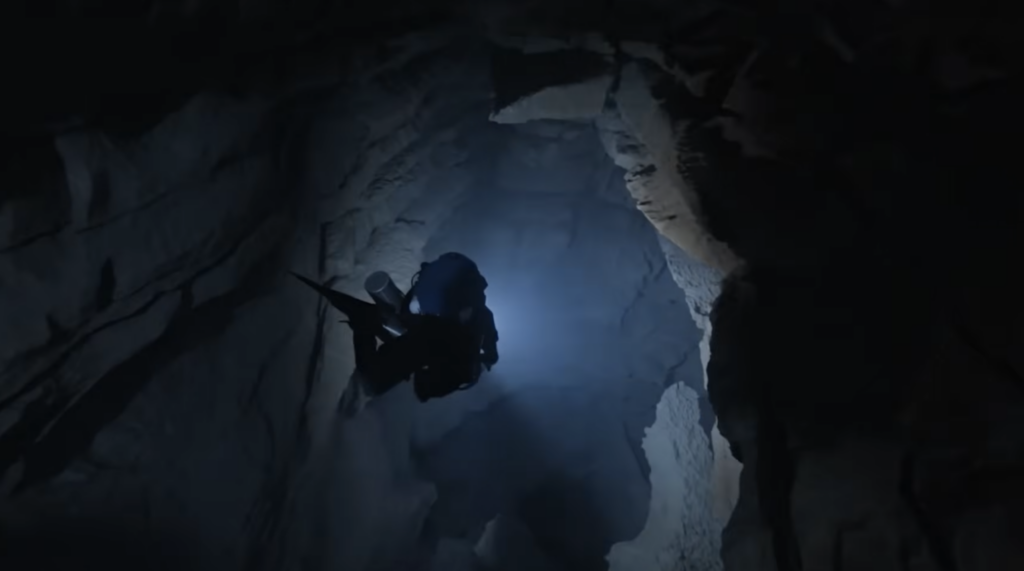
Unlike open water diving, underwater caves create a unique set of challenges. There is no direct route to the surface, visibility can disappear instantly, and a small mistake can become impossible to recover from.
On April 15, 2017, 54-year-old Xisco Gràcia entered the Sa Piqueta cave system in Mallorca with his friend Guillem Mascaró. Both men were experienced divers and had explored caves before, but even the most skilled explorers know that preparation is what keeps them alive.
Before entering deep cave systems, divers follow strict safety procedures. They carry multiple lights, extra breathing gas, and guidelines that help them navigate back to the entrance. The famous rule of thirds means divers should use one third of their air supply going in, one third returning, and keep the final third as an emergency reserve.
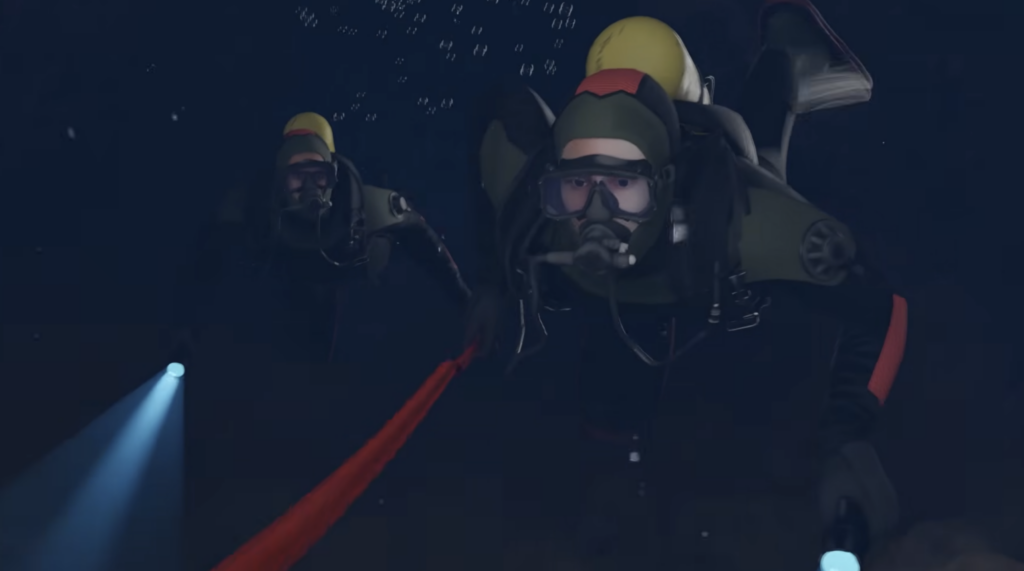
Xisco and Guillem followed these precautions as they moved deeper into the cave. After swimming for about an hour, they reached a point nearly 1,000 meters from the entrance and began exploring different chambers.
The guideline they placed behind them was their lifeline. In complete darkness, even an experienced diver can lose direction without it. A small mistake or sudden loss of visibility can make finding the exit nearly impossible.
That is exactly what happened.
As the two divers explored separately and later reunited, they accidentally disturbed large amounts of sediment on the cave floor. The water quickly became cloudy, turning the clear underwater passage into what Xisco described as “swimming in chocolate milk.”
Their visibility disappeared, but they still had their guideline. Then disaster struck. The divers could no longer find it. They spent nearly an hour searching through the darkness by touch, but the line was gone.
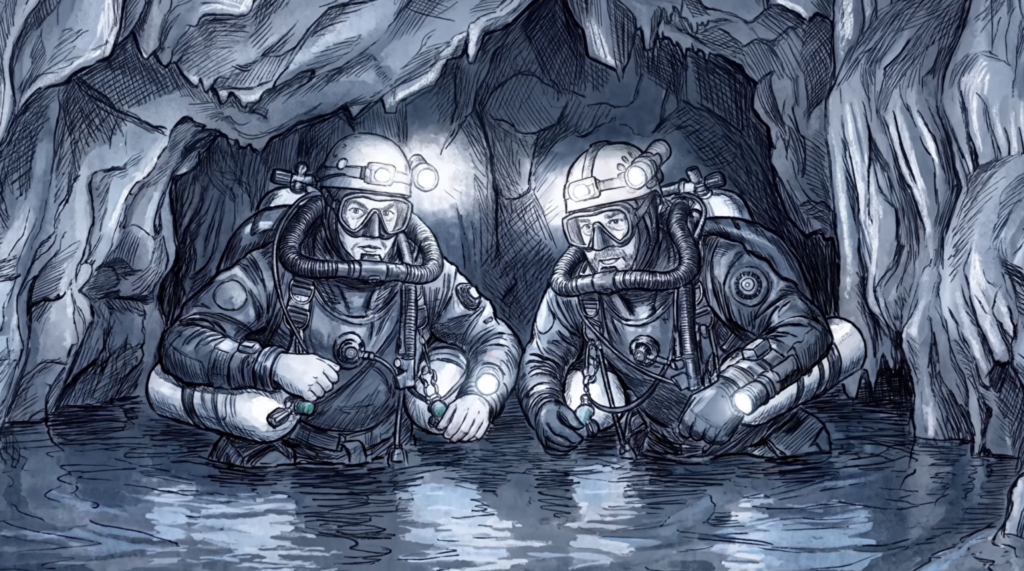
Fortunately, Xisco remembered another chamber nearby that contained an air pocket. The two men managed to reach it and lift their heads above the water. But escaping the cave was far from guaranteed.
An air pocket inside a cave can be extremely dangerous. The air may contain toxic gases or not enough oxygen to keep someone conscious. In Xisco’s case, the air was breathable, but carbon dioxide levels were dangerously high.
Normal outdoor air contains around 0.04% carbon dioxide. Inside the cave, levels were estimated to be around 5%. Over time, this caused Xisco to experience symptoms of carbon dioxide poisoning, including confusion and hallucinations.
The divers realized they were running out of options. They had enough oxygen for only one person to make the journey back to the surface.
Xisco and Guillem made an impossible choice. Guillem would leave the cave and search for help, while Xisco would remain behind in the air pocket.
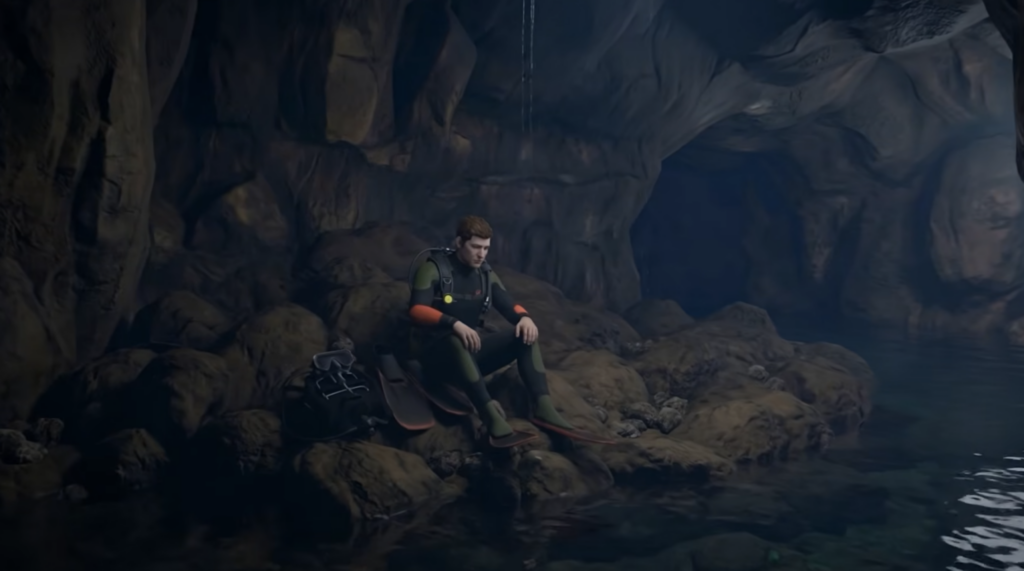
Since Guillem was smaller and needed less air, and Xisco had more experience dealing with high carbon dioxide environments, they believed it gave them the best chance of survival.
Before leaving, Xisco gave Guillem his oxygen tanks for the journey. Then he watched his friend disappear into the darkness. Alone inside the cave, Xisco waited.
At first, he believed rescue would come quickly. But as hours passed, his hope began to disappear. Sitting in complete darkness with failing flashlights, he struggled against fear, cold, and exhaustion.
The increasing carbon dioxide levels began affecting his mind. He saw lights and bubbles that were not really there, believing rescuers had arrived. Each hallucination brought hope, followed by disappointment.
High carbon dioxide levels can alter brain function and create a dangerous cycle. As the body senses a lack of oxygen, breathing increases, causing even more carbon dioxide buildup and worsening the effects.
Xisco also feared dying from hypothermia or starvation. At one point, he considered taking his own life rather than slowly losing the battle against the cave. But thoughts of his children gave him a reason to continue fighting.
Then, after nearly 60 hours trapped underground, something changed.
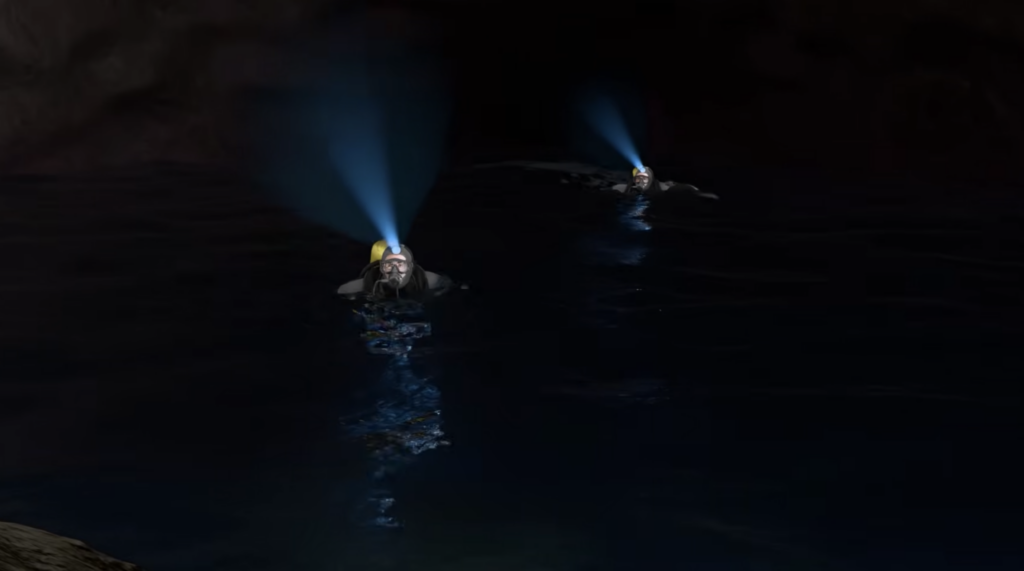
He saw a light approaching.
At first, Xisco believed it was another hallucination. But this time, it was real. A rescue diver’s helmet appeared through the darkness.
His friends Bernat Clamor and John Freddy had finally reached him.
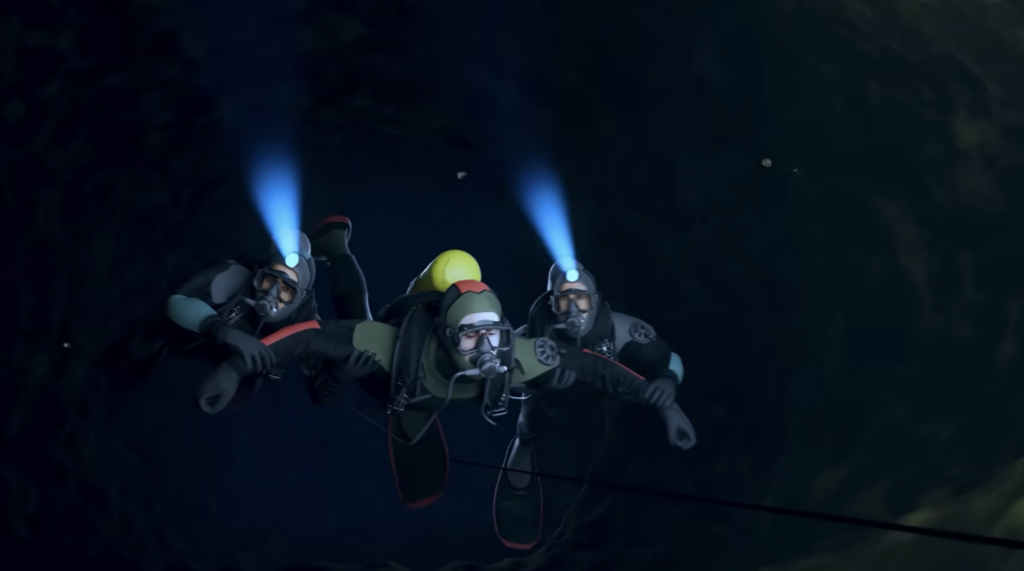
The rescue was not over yet. Getting Xisco out would require an extremely careful operation. The narrow passages, poor visibility, and risk of decompression sickness meant every movement had to be planned.
Because of the depth and length of the dive, Xisco could not simply swim to the surface. His body had absorbed dangerous amounts of gases during the dive, meaning he needed a slow ascent with multiple decompression stops.
After eight hours of carefully controlled movement, Xisco finally reached the surface on April 17, 2017.
His body temperature had dropped to 32°C, putting him at risk of hypothermia. Doctors treated him with oxygen to remove excess carbon dioxide from his body and help him recover. Thankfully, he suffered no permanent injuries.
The experience did not end his passion for exploration. Just one month later, Xisco returned to the same cave system, continuing his work as an explorer.
His survival was not simply a matter of luck. It was the result of years of training, preparation, and the ability to make rational decisions during an unimaginable crisis.
The story of Xisco Gràcia shows the thin line between exploration and disaster. In extreme environments, survival often depends not on being fearless, but on being prepared, staying calm, and making the right choices when everything goes wrong.