Communication is something humans often think we have mastered. We use languages, gestures, facial expressions, and technology to share information with each other. But across the animal kingdom, countless species have developed their own incredible communication systems that are far more advanced and unusual than many people realize.
Some animals use sounds to create unique identities, others vote as a group, and some even communicate through eye movements and colorful displays. Scientists studying these creatures have uncovered fascinating behaviors that reveal just how complex animal communication really is.
Here are some of the most surprising examples.
The Sperm Whale: The Ocean’s Creatures With Their Own Names
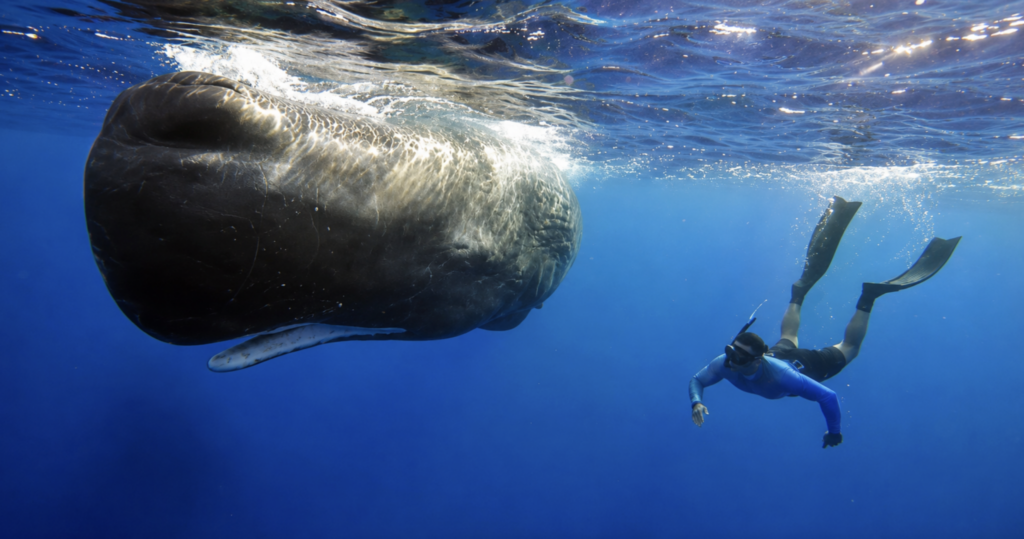
Whales may not speak human languages, but they have their own ways of identifying each other. Scientists studying sperm whales discovered that these massive ocean giants produce unique clicking patterns that act almost like personal names.
Researchers studying sperm whales in the Caribbean found that groups of whales had their own regional differences in their calls. Much like humans having different accents depending on where they live, whale communities appear to have their own vocal styles.
Even more surprising, individual whales seem to have their own unique sound patterns called codas. These short sequences of clicks can help whales recognize specific members of their social groups.
This means that a sperm whale swimming through the ocean may be able to identify its family members and communicate with individuals using sounds that are unique to them. In a world where humans use names every day, whales appear to have developed their own version of personal identity.
The Bison: Animals That Hold Their Own Elections
When people think about voting and leadership, humans usually come to mind. But it turns out that bison herds have their own surprisingly democratic decision making system.
When a herd needs to decide where to move next, individual bison will face the direction they want to travel. Several members may suggest different options, but the group eventually follows the choice supported by the majority.
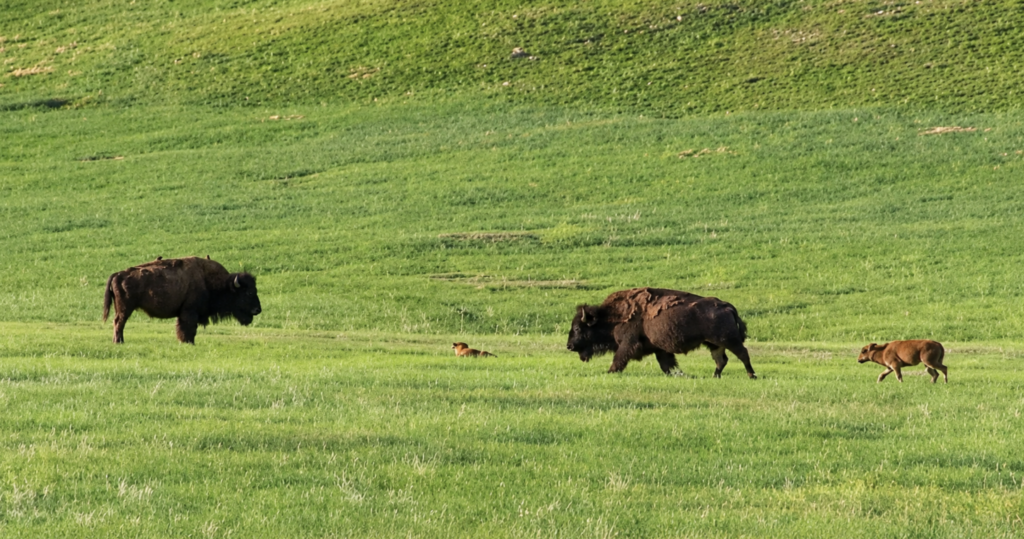
The bison that moves first does not automatically become the leader. Instead, the herd follows the direction that receives the most support. In a way, the group makes a collective decision rather than relying on one dominant animal.
Interestingly, female bison are often the ones that guide these movements. Because females need additional nutrients during pregnancy and raising their young, they are more likely to recognize areas with better food sources.
Their system proves that cooperation and group decision making are not unique to humans.
The Jackdaw: The Bird That Communicates Through Eye Contact
The jackdaw may look similar to a crow or raven, but it has one feature that makes it stand out: its bright blue eyes.
Scientists have discovered that jackdaws may be one of the first known bird species to use their eyes as a form of communication. Their intense gaze can send messages to other birds without making a sound.
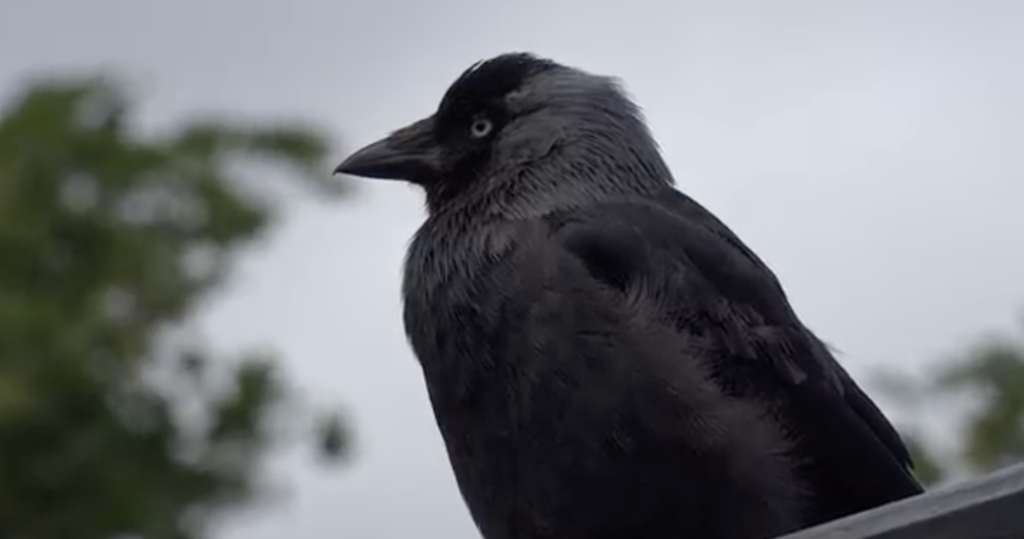
Jackdaws often build nests inside tree holes, but they cannot create these spaces themselves. Because suitable nesting locations are limited, competition between birds can become intense.
Their striking eyes may help them defend their homes by warning potential intruders. A strong stare can act as a signal, telling another bird to stay away before a physical fight begins.
This behavior shows that communication does not always require sounds. Sometimes, a simple look can send a powerful message.
The Blue Capped Cordon Bleu: The Bird That Dances for Love
Humans have used dancing as a way to impress others for thousands of years, but one tiny bird takes this idea to an entirely different level.
The blue capped cordon bleu uses an impressive combination of movement and sound to attract a mate. Male birds perform energetic dances while singing, hoping to prove their strength and health to potential partners.
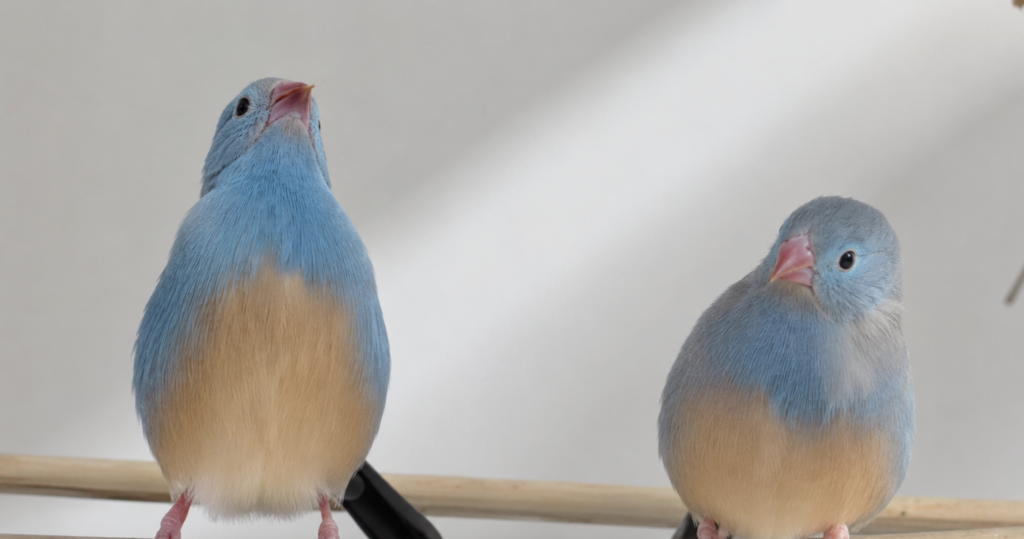
These birds can move incredibly fast, performing up to 200 steps per minute. Their movements happen so quickly that human eyes can barely follow them.
Female birds do not simply watch the performance. They often respond with dances of their own, creating a kind of communication between potential mates.
Because blue capped cordon bleus usually form monogamous pairs, choosing the right partner is important. A successful dance can show that a bird is healthy, energetic, and capable of being a good mate.
The Mantis Shrimp: The Animal With the Most Advanced Eyes
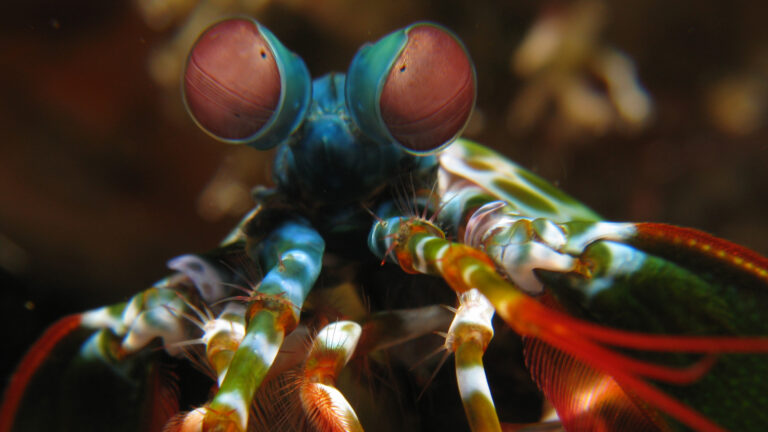
The mantis shrimp is famous for its powerful punch, but its eyes may be its most impressive feature.
While humans have three types of color receptors that allow us to see red, green, and blue, mantis shrimp have between 12 and 16 photoreceptors. Their vision system is unlike anything found in humans or most other animals.
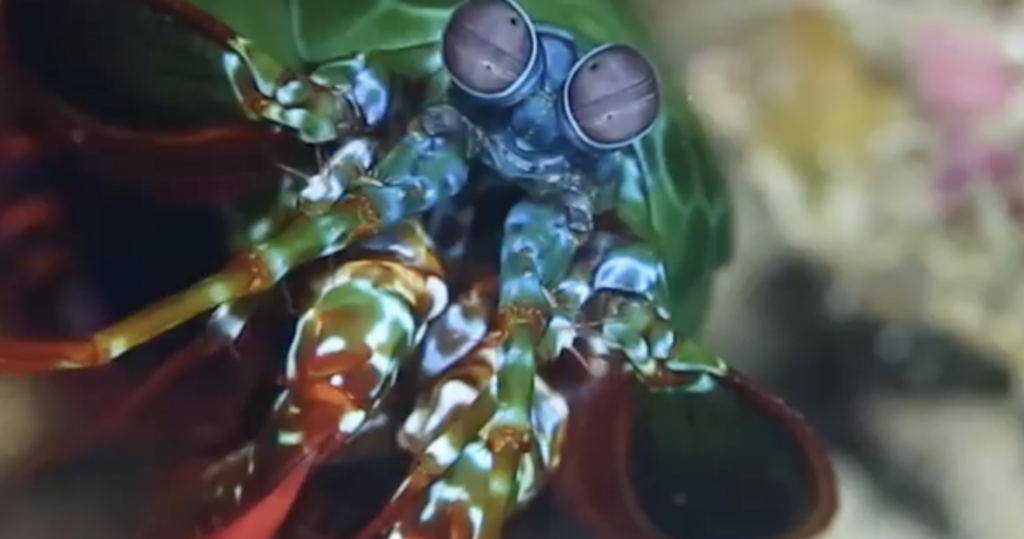
However, having more color receptors does not mean they see colors better than us. Instead, mantis shrimp are able to detect types of light that humans cannot see, including ultraviolet light and circularly polarized light.
Scientists believe these unusual abilities may help mantis shrimp communicate with each other. Since their bodies contain bright and colorful patterns, they may use special flashes of color to send signals.
These displays could warn other shrimp to stay away or indicate that they are ready to interact. The exact details are still being studied, but their incredible vision gives them a communication system unlike any other creature on Earth.
Their unique eyes could even inspire future technology. Some researchers believe studying mantis shrimp vision may eventually help scientists develop better methods for detecting diseases because certain cells reflect light differently when they become unhealthy.