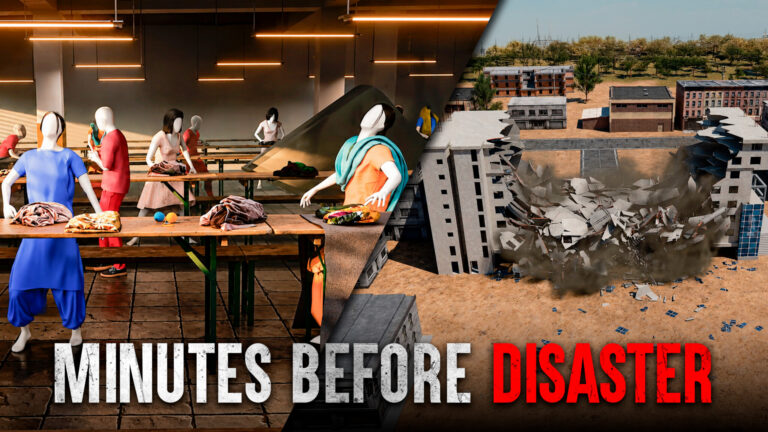
On April 24, 2013, thousands of workers entered a building in Dhaka, Bangladesh, that many of them already feared was unsafe. Just one day earlier, employees had discovered large cracks spreading across the walls of Rana Plaza. Engineers inspected the damage and warned that the structure was dangerous, ordering people to stay away until it could be properly evaluated.
For a brief moment, the workers thought they had avoided disaster. But the next morning, factory owners forced them to return. Many employees were threatened with losing a month’s salary if they refused, and for people living in poverty, losing their income was a risk they could not afford to take. Terrified but desperate to keep their jobs, thousands of workers walked back into the building.
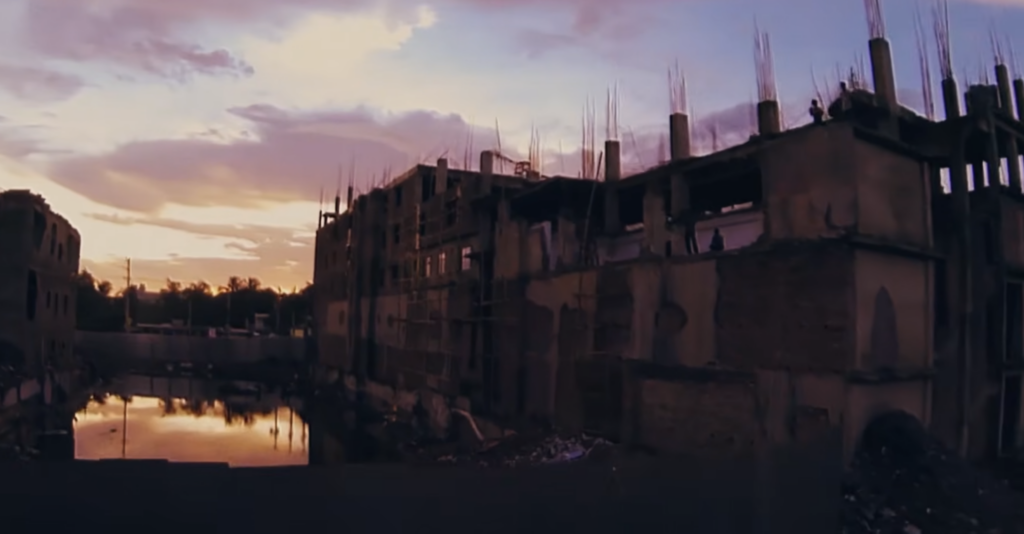
At around 8:45 a.m., they were sitting at their sewing machines, producing clothing for international fashion companies, when the building suddenly began to collapse. The upper floors crashed downward, creating a devastating chain reaction that brought the entire structure down in less than 90 seconds. Thousands of people were buried beneath tons of concrete, steel, and factory equipment.
More than 2,500 survivors were eventually pulled from the wreckage, many suffering from severe injuries and life changing disabilities. Some were trapped for hours or even days, waiting in darkness while rescue teams searched through the debris. When the operation ended, 1,134 people had lost their lives, making Rana Plaza the deadliest accidental building collapse ever recorded.
However, the tragedy was not simply caused by a structural failure. The collapse was the result of years of corruption, illegal construction, and a system that prioritized cheap production over worker safety. The cracks in the walls were only the final warning in a disaster that had been building for years.
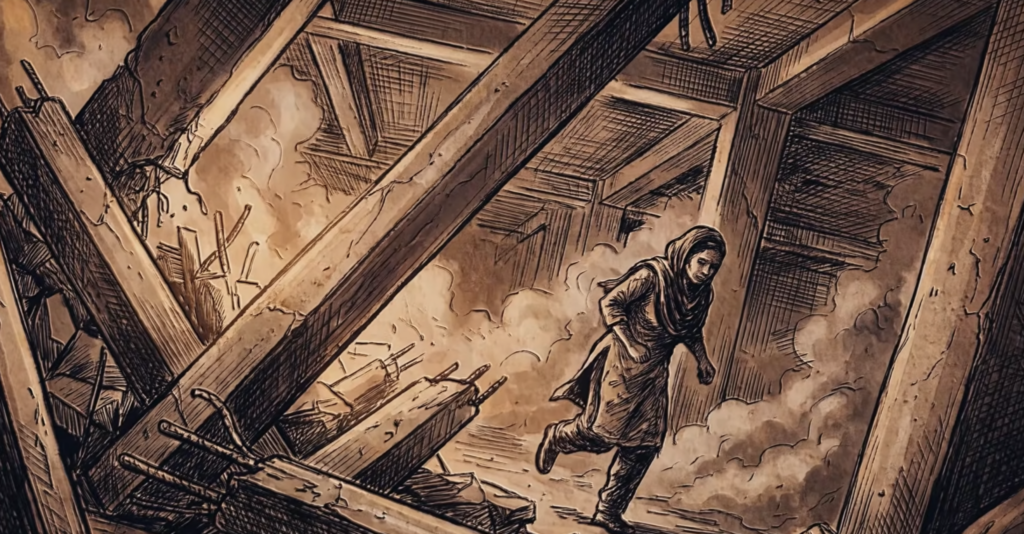
Among the workers inside Rana Plaza was 22 year old garment worker Reshma Begum. Like many women employed in Bangladesh’s garment industry, she had left her home looking for better opportunities and found work in factories producing clothes for some of the world’s largest brands. Her days were spent performing repetitive tasks for long hours, earning a small monthly wage that was barely enough to survive.
The garment industry had transformed Bangladesh into one of the world’s largest clothing exporters, but the rapid growth came with serious consequences. Factories competed to produce cheaper products faster, and in many cases, worker safety was ignored. Buildings were overcrowded, inspections were weak, and employees often had little power to challenge dangerous conditions.
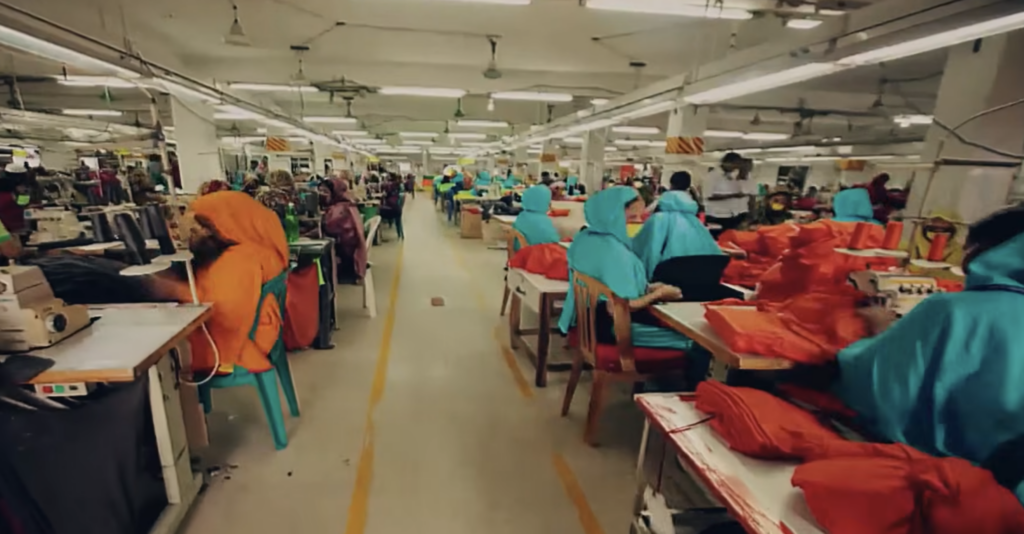
Rana Plaza was a perfect example of these failures. The building was originally approved for commercial use, not for thousands of factory workers and heavy industrial equipment. Additional floors had been added illegally, heavy generators had been installed inside, and the structure had been built using poor quality materials.
The owner, Sohel Rana, had strong political connections that helped him avoid proper accountability. Despite the obvious risks, the factories inside the building continued operating. When cracks appeared on April 23, engineers warned that everyone needed to evacuate, but that warning was ignored the following day.
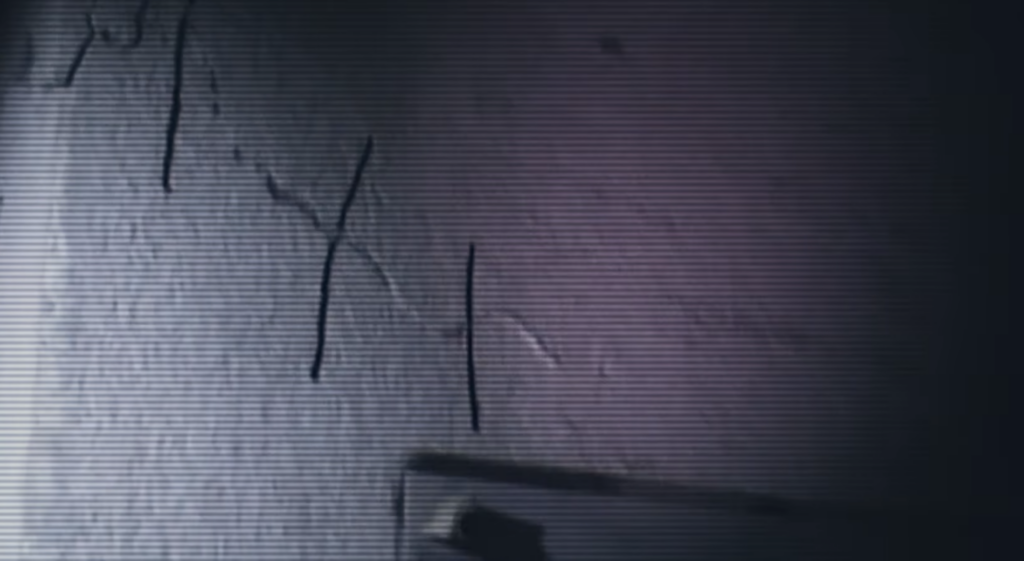
Workers were told that there was nothing to worry about and were pressured to return to their stations. Many were afraid, but they felt trapped between two impossible choices: risk their lives inside the building or lose the income their families depended on. Factory managers reportedly left the building themselves while workers remained inside.
Only minutes after the employees returned to work, the building began to shake. Floors collapsed one after another, trapping thousands beneath the ruins. For many victims, there was no chance to escape. The disaster that everyone feared had finally happened.