Every year, hundreds of millions of people rely on buses to get where they need to go. In the United States alone, more than 700 million passengers travel by bus annually. Although buses are generally considered a safe form of transportation, accidents still happen.
A 2010 study from the University of Michigan found that around 63,000 buses are involved in crashes each year, resulting in thousands of injuries and hundreds of deaths. A serious bus crash can be a terrifying experience, and some survivors continue to experience emotional effects long after the accident.
While no seat can guarantee complete protection, choosing the right place to sit and knowing what to do during and after a crash can improve your chances of staying safe.
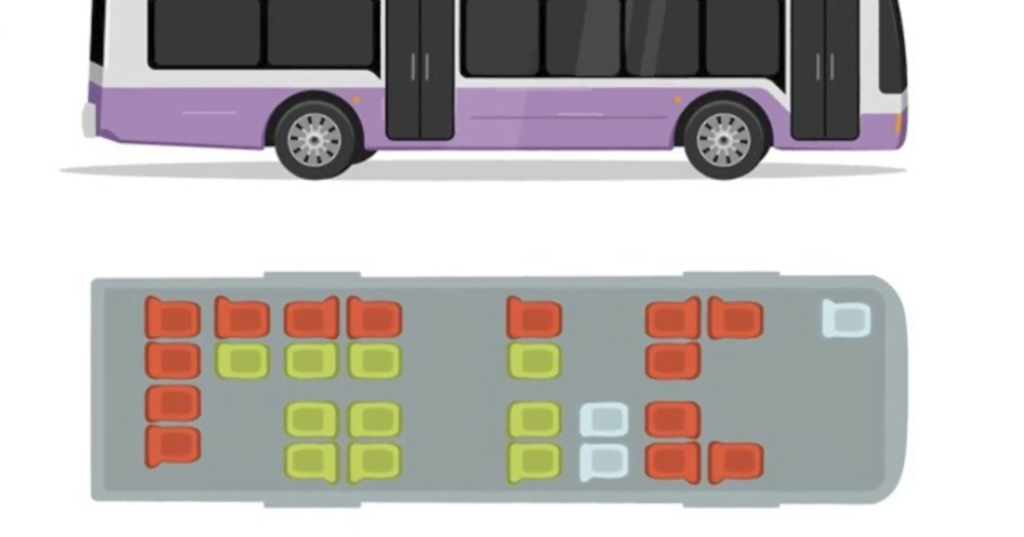
The safest area of a bus is usually the middle section of the cabin. Sitting near the center, facing forward in the direction the bus is traveling, places you farther away from areas most likely to experience direct impacts.
The front rows are often considered less safe because the large windshield can allow objects to enter the passenger area during a collision. Seats directly next to windows and doors can also expose passengers to broken glass or impacts from outside objects.
Although many people associate the back seats with school bus rides, the very last row can be dangerous during a rear end collision because it is closest to the point of impact.
No matter where you sit, always remain seated while the bus is moving and use a seatbelt if one is available.
If a crash becomes unavoidable, your position and reaction can make a difference. If you are wearing a seatbelt, keep it fastened and brace yourself. If there is no seatbelt, hold onto the seat in front of you and press your head against the back of your seat. This can help prevent your head from hitting the window or the sides of the bus during the impact.
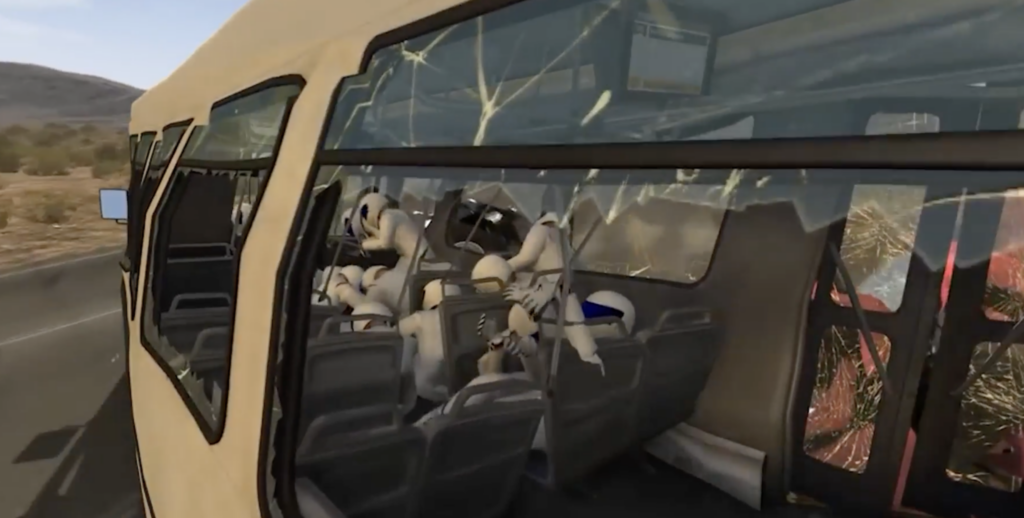
After the crash, take a moment to check yourself for injuries before moving. Adrenaline can hide pain, and you may not immediately notice serious injuries. Once you know your condition, check on nearby passengers if it is safe to do so.
You should also look for immediate dangers. Smoke, flames, unusual smells, or signs of an engine fire can mean the bus needs to be evacuated quickly.
When leaving the bus, be careful. If the vehicle has tipped onto its side, avoid stepping on windows because broken glass can cause serious cuts. Instead, use stronger metal areas of the bus to support yourself as you exit.
If the driver is able to give instructions, follow them. Bus drivers receive safety training and may know the best way to handle the situation. If possible, assist passengers who need extra help, but do not put yourself in danger.
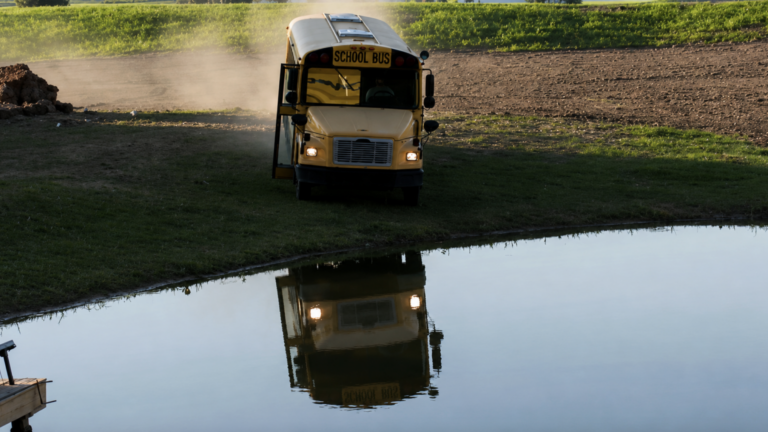
If the bus crashes into water or catches fire, escaping quickly becomes the priority. In these situations, do not wait for perfect conditions. Get out of the vehicle as fast and safely as possible.
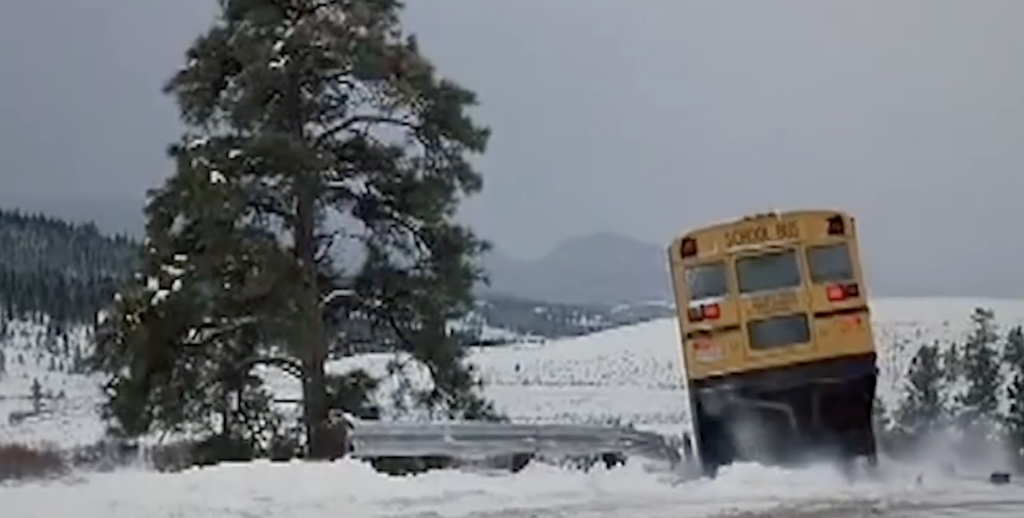
Once you are outside, move away from traffic and the damaged bus. Standing on the road creates another danger, as passing vehicles may not see the accident scene in time. Move to a safer location such as the shoulder or sidewalk. If there is smoke or fire, put as much distance between yourself and the bus as possible.
Call emergency services if anyone is injured. Even smaller crashes should be reported because authorities need to investigate the accident and make sure the area is safe.
After the immediate danger has passed, write down everything you remember about the crash. Details such as the time, weather conditions, road conditions, location, and what happened before the collision could help investigators understand what went wrong.
Finally, pay attention to your body after the accident. Some injuries, including certain fractures or internal injuries, may not be obvious right away. If you notice pain or unusual symptoms later, seek medical attention.
A bus crash is something most passengers hope they never experience. But by choosing a safer seat, knowing how to brace for impact, and understanding what to do afterward, you can be better prepared if the unexpected happens.