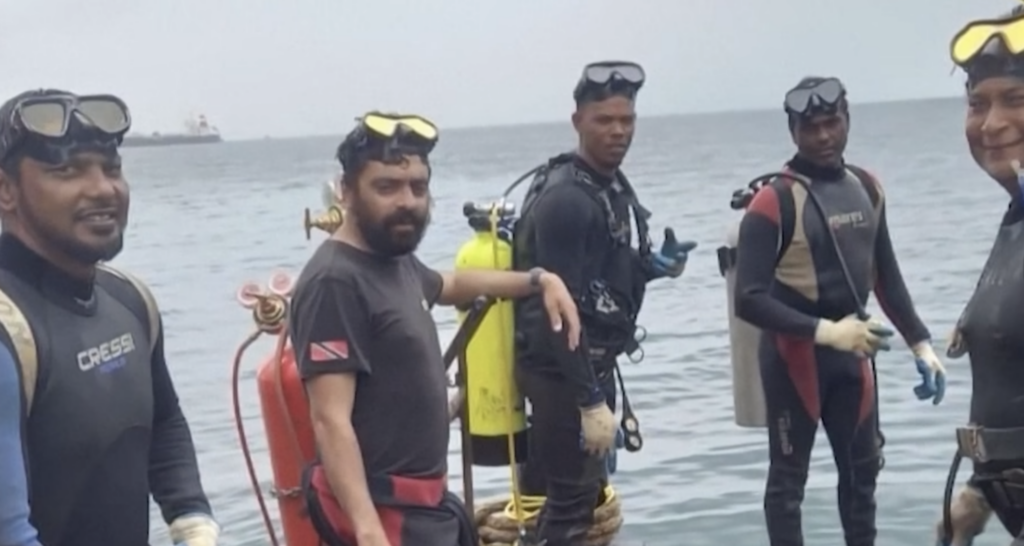
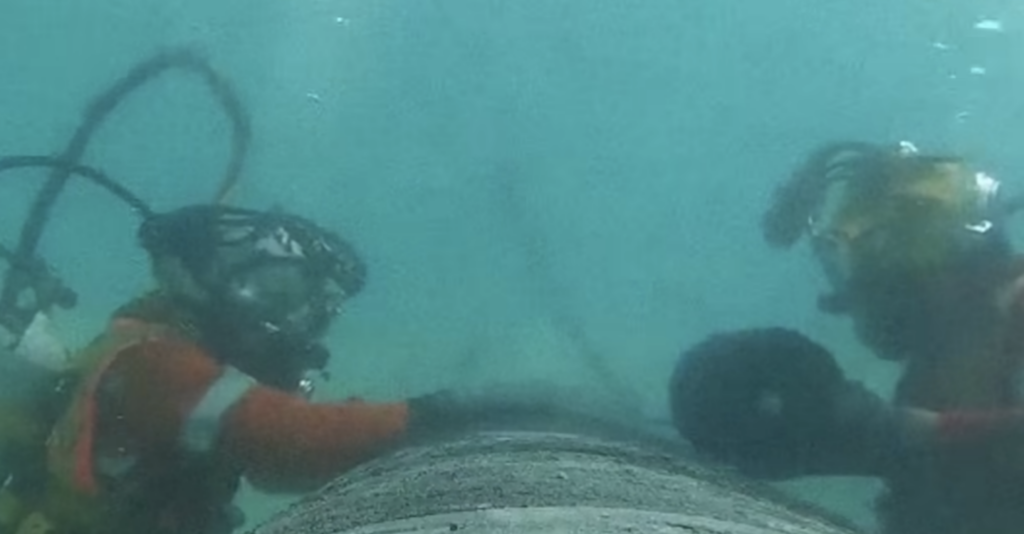
On February 25, 2022, five experienced divers entered the waters off Trinidad and Tobago for what was supposed to be a routine repair job. They were hired to fix a leaking underwater oil pipeline located approximately 60 feet below the surface.
The pipeline belonged to Paria Fuel Trading Company and connected two loading berths used by oil tankers. The divers, Christopher Boodram, Kazim Ali Jr., Yusuf Henry, Rishi Nagassar and Fyzal Kurban, were working for LMCS, the company contracted to carry out the repairs.
To allow the men to work in relatively dry conditions, an air filled chamber had been positioned around the section of pipeline where the repairs were taking place. Everything appeared to be under control until the team removed an inflatable plug that had been preventing oil and gas from escaping.
What the divers did not know was that the pipeline had been drained weeks earlier.
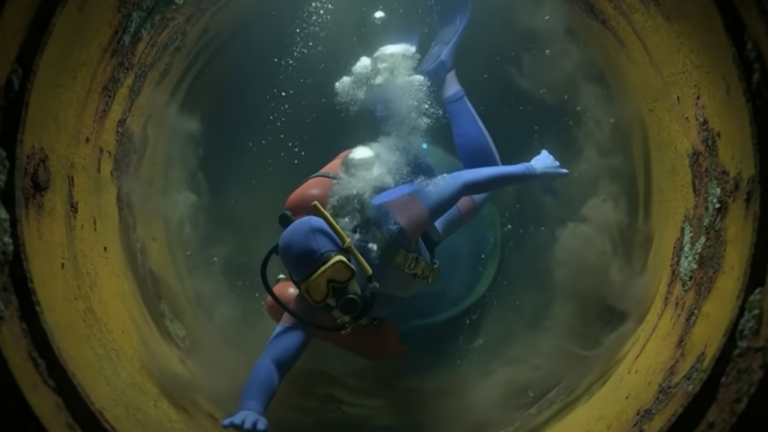
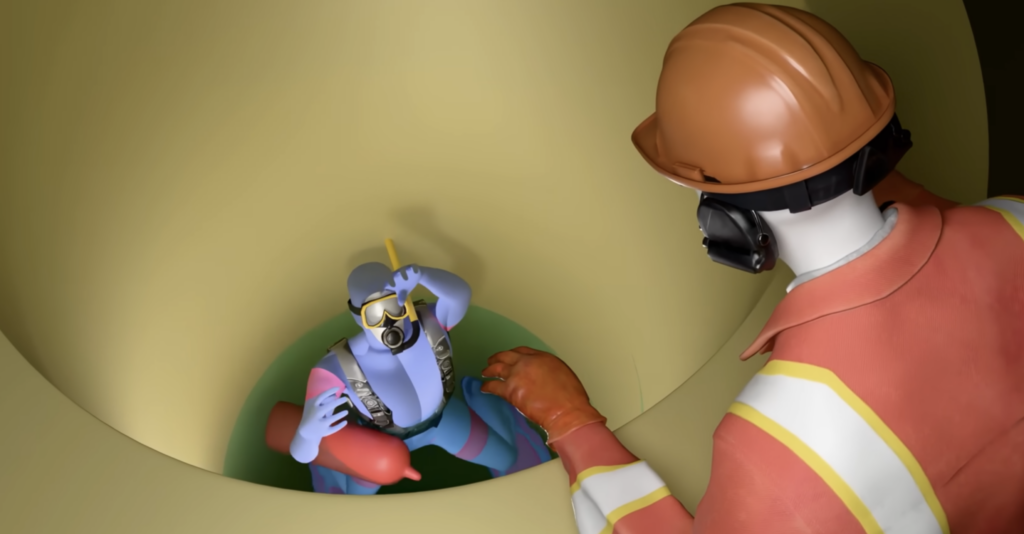
When the plug was removed, a dangerous pressure difference suddenly developed. The pipeline began sucking seawater into its 30 inch diameter opening with enormous force, pulling the divers along with it.
The men were dragged roughly 700 feet through the pipeline.
When they finally stopped, all five divers were injured. At least two had suffered broken bones, while the men were also running low on oxygen and covered in oil.
One of the divers, Rishi Nagassar, was too badly injured to move. The other four realized that their best chance of survival was to stay together, so they formed a human chain inside the narrow pipeline.
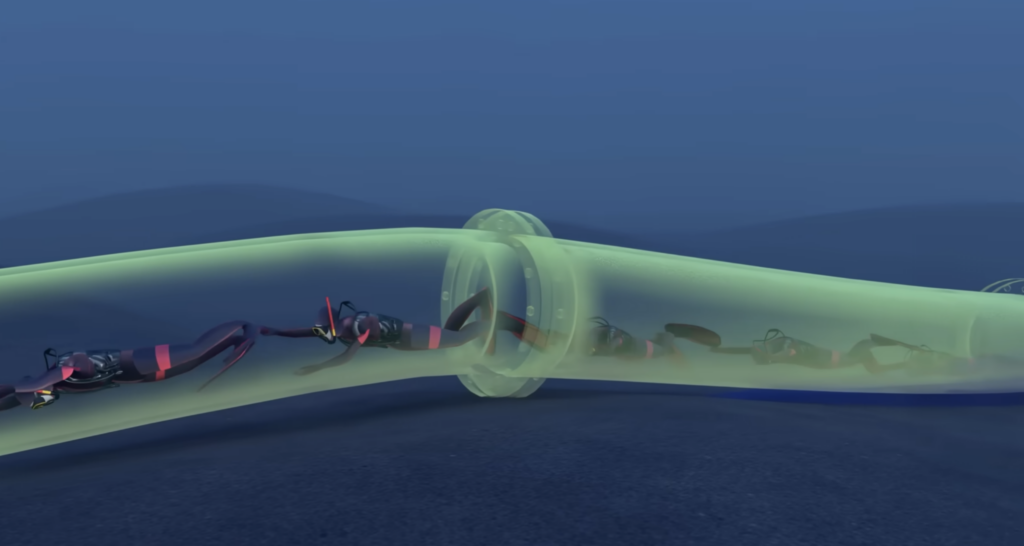
Christopher Boodram was positioned at the front because he was less severely injured than the others. As they began moving through the pipeline, they discovered two oxygen tanks that had also been sucked inside and shared the remaining air between them.
Eventually, Boodram reached the end of an air pocket and continued ahead alone to determine what was waiting for them. He reached a curved section of the pipeline, known as an elbow, but discovered that the water level prevented him from climbing out.
He screamed for help.
Fortunately, other divers heard him and entered the area to pull him to safety. Boodram immediately told them that his colleagues were still alive inside the pipeline and desperately needed help.
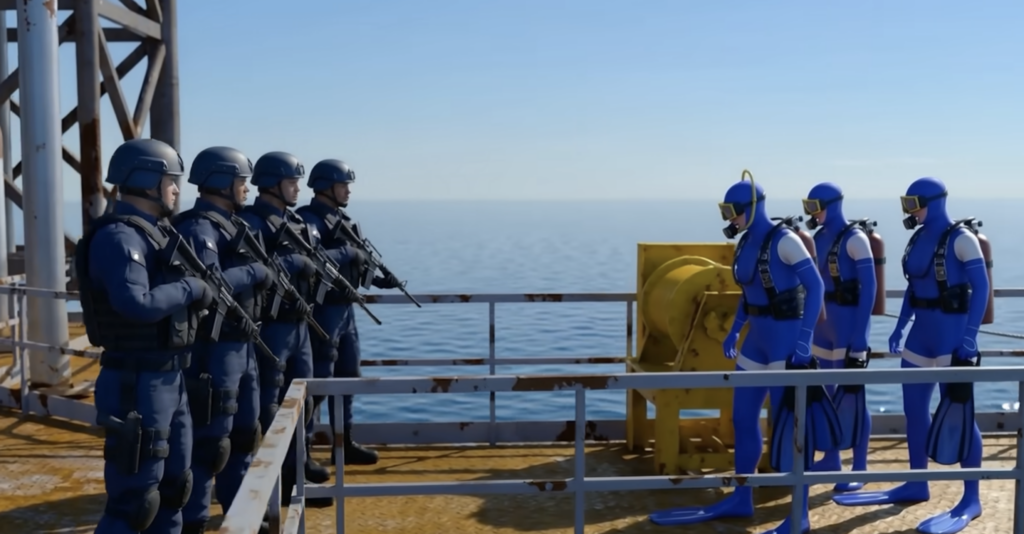
Volunteer divers were prepared to enter the pipe and attempt a rescue, but the effort was stopped because of safety concerns. According to later testimony, LMCS maintained that it had divers and equipment available for a rescue but was prevented from conducting the operation.
The Coast Guard also determined that entering the pipeline would be extremely dangerous.
As the hours passed, the trapped men continued trying to signal that they were alive. They reportedly banged on the pipeline walls, hoping that rescuers outside would hear them.
Nine hours had passed since the accident.
Eventually, cameras were used in an attempt to locate the men inside the pipeline. Meanwhile, their families were told that everything possible was being done to save them, but the divers were running out of oxygen and time.
The rescue effort ultimately became a recovery operation.
Forty eight hours after the accident, Paria announced publicly that the operation had shifted from trying to rescue the workers to recovering their bodies. Over the following days, the bodies of the four trapped divers were recovered.
An autopsy later suggested that one of the men may have remained alive for as long as 39 hours after the accident.
The tragedy raised serious questions about the planning and safety procedures surrounding the repair operation.
A simple repair had turned into a catastrophic disaster because the pressure conditions inside the pipeline were not fully understood before the plug was removed.
Five divers entered the water expecting to repair a pipeline.
Instead, they were violently sucked hundreds of feet into a narrow underwater pipe, where four of them would ultimately lose their lives.