It was March 17, 2009, a cold morning that journalist Euna Lee would later describe as the day her life changed forever. Lee and fellow journalist Laura Ling were working on a documentary about North Koreans who had escaped the country, hoping to document the dangerous lives of defectors hiding along the Chinese border.
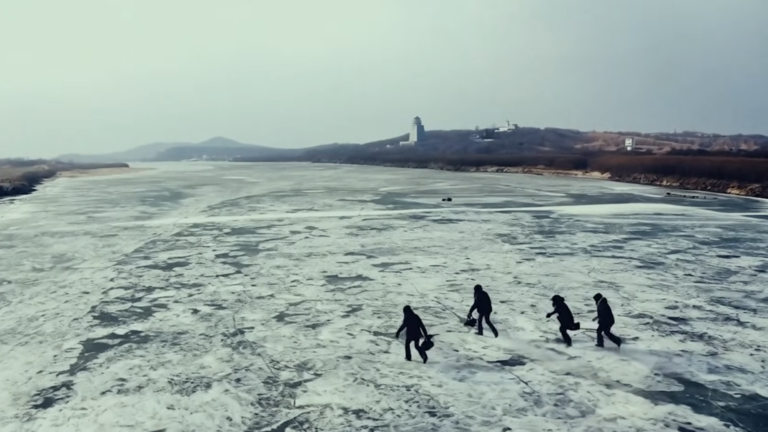
At around 5 A.M., Lee, Ling, their cameraman Mitch Koss and their guide Kim Seong cheol crossed the frozen Tumen River between China and North Korea. They filmed briefly on the North Korean side before turning around and heading back toward China. They were almost safely across when they suddenly heard shouting.
North Korean soldiers had spotted them.

The group ran toward the Chinese side, but the soldiers caught up with Lee and Ling. The women were violently dragged back across the frozen river and into North Korea, while Koss and Kim managed to escape. Ling later recalled being knocked unconscious during the struggle.
Thousands of miles away, Ling’s sister Lisa received a phone call in the middle of the night. Her sister had been abducted by North Korean soldiers, and suddenly what had started as a documentary assignment had become an international crisis.
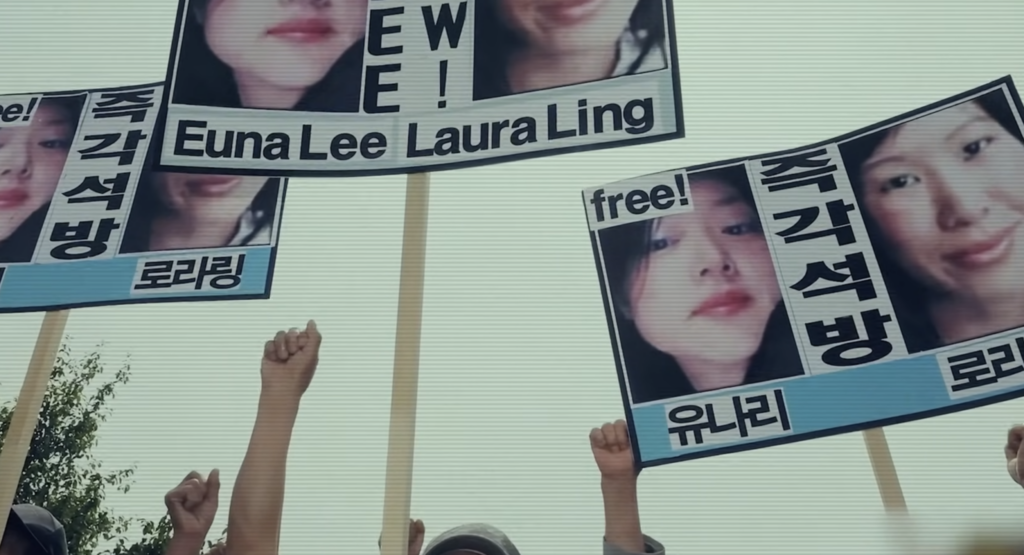
Lisa immediately began contacting diplomats and political figures who might be able to help. The case eventually reached Secretary of State Hillary Clinton and former Vice President Al Gore, while news of the journalists’ capture spread around the world.

For Lee and Ling, however, the situation was becoming increasingly terrifying. They were initially held in cramped cells at a nearby military facility, where they had a brief opportunity to destroy sensitive material. They swallowed pages containing information about North Korean defectors, broke videotapes and deleted footage, hoping to protect the people they had interviewed.
Weeks later, the two women were separated, blindfolded and transported to Pyongyang. Interrogations followed, sometimes lasting for hours and repeating the same questions over and over. Lee was pressured to write about her journey and work until she produced the confession North Korean authorities wanted.
The authorities accused the journalists of being spies and committing hostile acts against the country. Lee and Ling were terrified that refusing to confess could lead to an even worse punishment, including execution.

On June 4, 2009, their fears became reality. A North Korean court sentenced both women to 12 years of hard labor, with two years for trespassing and another 10 years for alleged hostile acts.
After the trial, they were taken for medical examinations to determine whether they were physically capable of performing hard labor. Ling suffered from painful ulcers, and doctors discovered that her condition required treatment. She was kept under medical detention, while Lee was moved to a guarded guesthouse.
Their contact with the outside world remained extremely limited, but they were occasionally allowed to make phone calls and receive letters from their families. Ling later described memorizing every word in the letters she received because she knew she might not get another chance to hear from the people she loved.
Behind the scenes, American officials were desperately searching for a way to bring the journalists home. The United States had no diplomatic relations with North Korea, making negotiations extremely delicate.
Eventually, North Korea offered a possible solution. The country indicated that the journalists could be released if a high profile American envoy personally traveled to Pyongyang to retrieve them.
The Obama administration eventually chose former President Bill Clinton.
On August 4, 2009, five months after the journalists were captured, Clinton secretly traveled to Pyongyang. He met North Korean leader Kim Jong il, attended a formal dinner and avoided turning the visit into a political confrontation.
Lee and Ling had no idea what was happening until they were suddenly told to prepare for a meeting.
When they walked into the room, Bill Clinton was standing there.
The former president had secured their release through a special pardon, allowing the two journalists to leave North Korea without a formal diplomatic agreement.
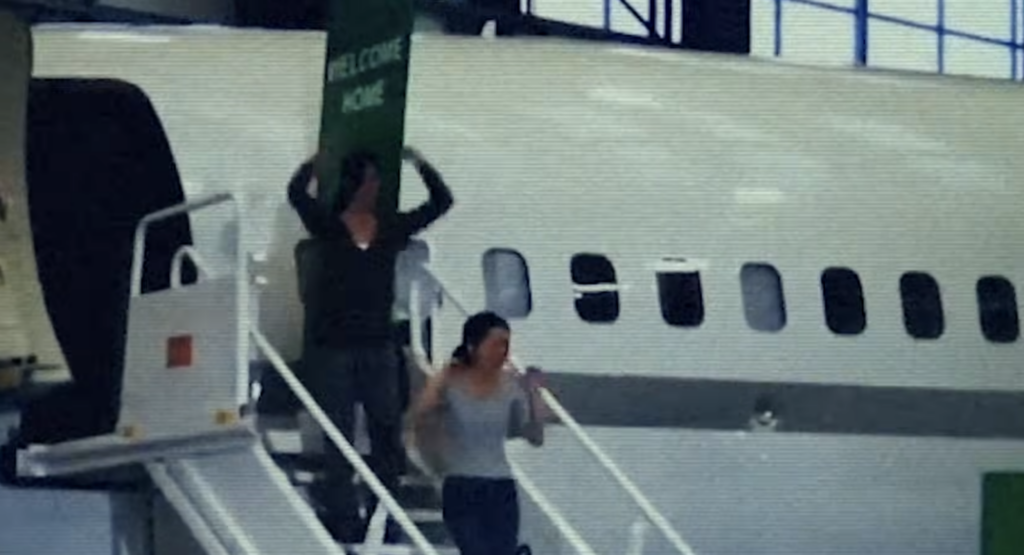
That same day, Lee and Ling boarded a private plane and finally headed home.
Their ordeal had lasted 140 days. What began as a documentary assignment on a frozen border had ended with imprisonment, forced confessions and a 12 year sentence, before an extraordinary diplomatic mission finally brought them back to their families.