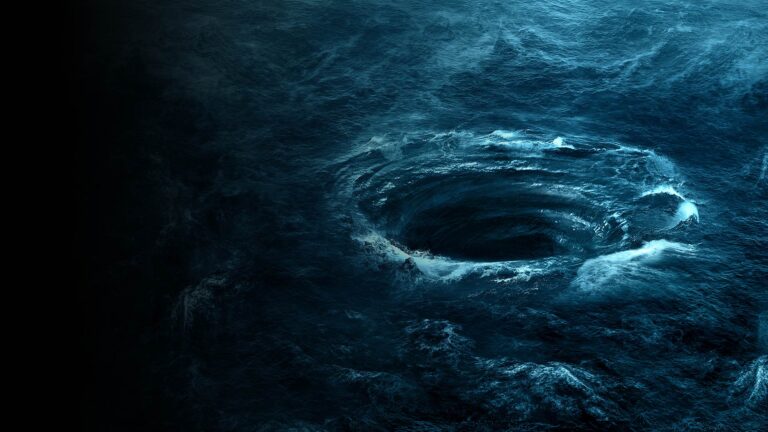
You were looking forward to a relaxing cruise across the Atlantic, but suddenly something feels very wrong. The ship begins rocking violently, your navigation equipment starts behaving strangely, and the instruments you rely on to find your way begin giving you confusing readings.
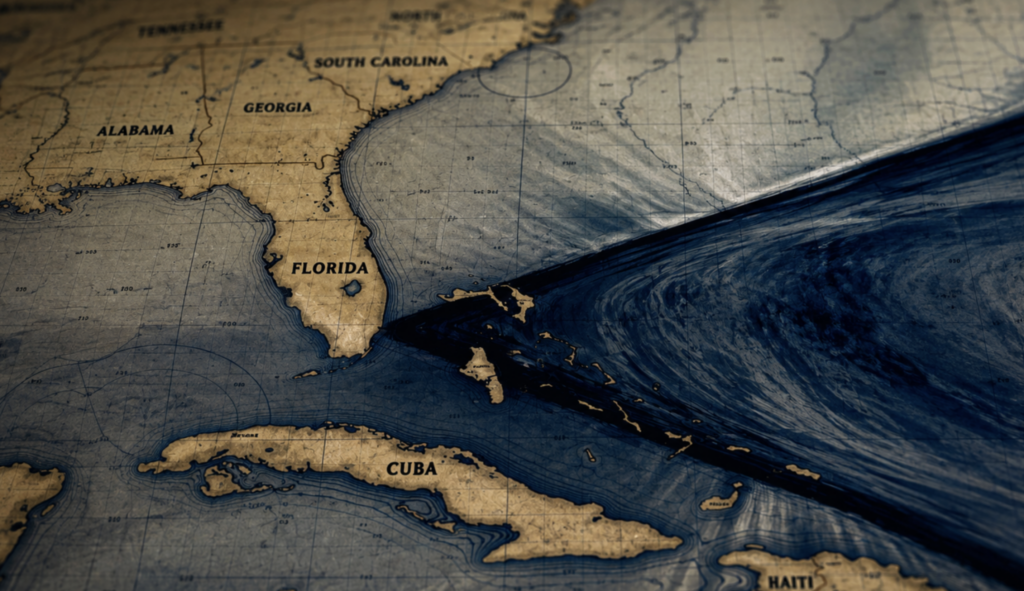
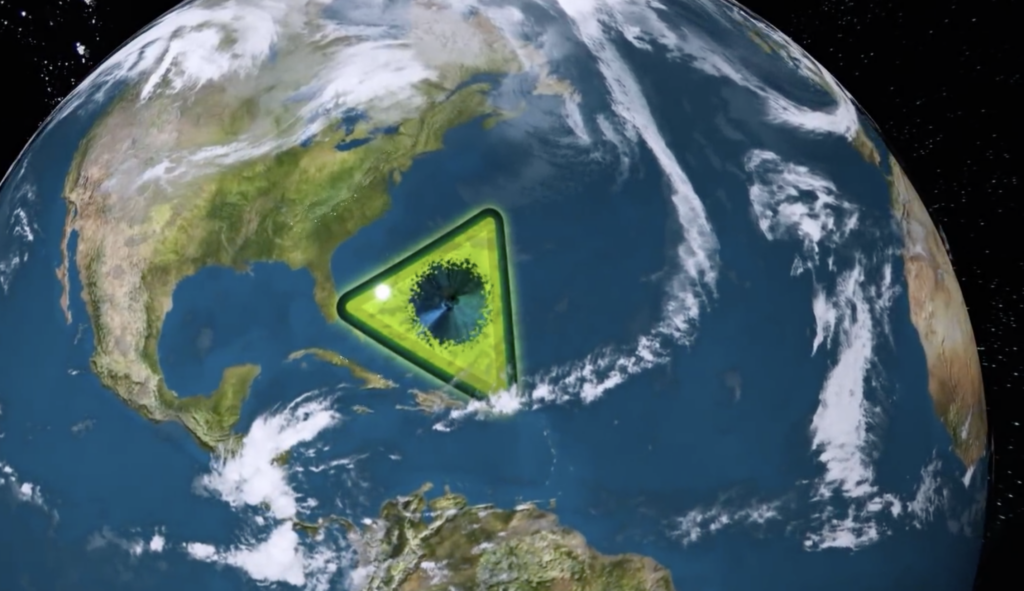
You are somewhere inside the infamous Bermuda Triangle, an area of the Atlantic Ocean stretching roughly between Florida, Bermuda, and Puerto Rico. For decades, stories have claimed that ships and aircraft have disappeared here without explanation, earning the region sinister nicknames such as the Devil’s Triangle and the Twilight Zone.
The Bermuda Triangle covers roughly 700,000 square kilometers and sits along one of the world’s busiest maritime routes. Thousands of commercial ships, private boats, and aircraft pass through the region every year, making it difficult to separate genuine dangers from the legends surrounding it.
Still, the area has been associated with numerous mysterious incidents. Some stories describe missing vessels, malfunctioning compasses, strange weather, and sudden communication failures. If your instruments suddenly stopped working while you were sailing through the Triangle, staying calm and following basic safety procedures would be far more useful than relying on the myths.
Your first priority would be communication. Before entering a remote or potentially dangerous area, your vessel’s radios, emergency equipment, and other communication systems should be thoroughly checked. Maintaining contact with people on land can give rescuers a much better chance of locating you if something goes wrong.
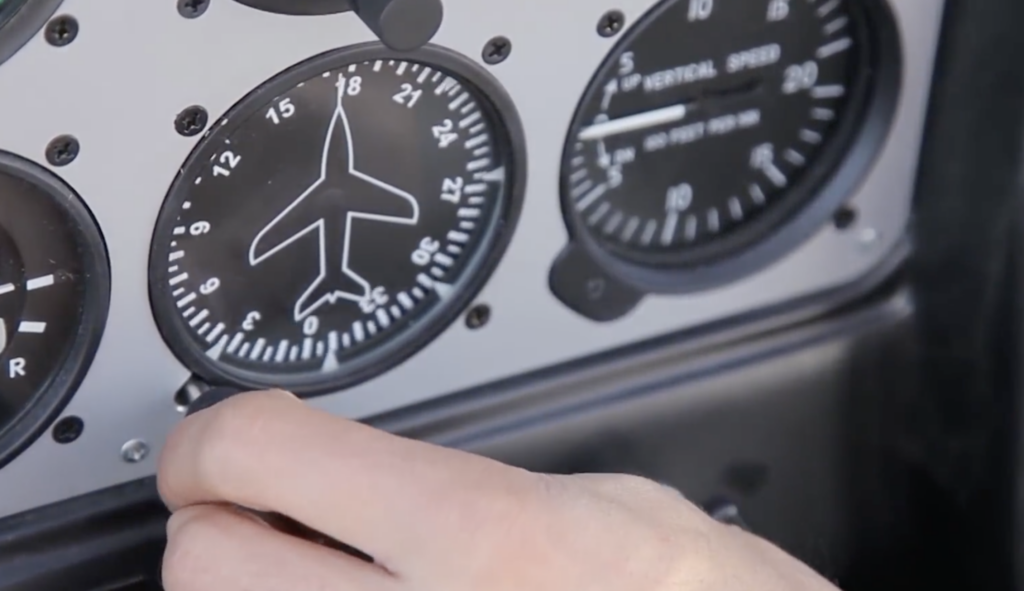
Navigation is equally important. Compasses do not always point toward the geographic North Pole because magnetic north and true north are different reference points. Historical accounts, including a famous entry attributed to Christopher Columbus, have contributed to stories about unusual compass behavior in the region.
Modern vessels have GPS and other electronic navigation systems, but those systems should never be treated as completely infallible. Having backup navigation methods and knowing how to navigate without electronic equipment can become critical if a system fails.
Then there is the strange fog reported in some Bermuda Triangle stories. Pilot Bruce Gernon famously described encountering an unusual cloud or fog formation during a flight from the Bahamas toward Florida. He claimed that his instruments malfunctioned, his aircraft disappeared from radar, and he reached the Florida coast much sooner than expected.
Gernon referred to the phenomenon as “electronic fog” and believed it produced extraordinary effects, including an apparent loss of time. However, there is no established scientific evidence that the fog transported his aircraft through time. Weather conditions, navigation errors, and other ordinary explanations can account for many unusual experiences.
The ocean itself presents much more established dangers. Severe storms, hurricanes, powerful currents, and rogue waves can threaten even large vessels. Rogue waves can rise dramatically above the surrounding sea and have been documented in oceans around the world.
Another proposed explanation for some maritime incidents involves methane deposits beneath the seafloor. Large releases of methane could theoretically create areas of water filled with bubbles, reducing the water’s density and potentially affecting the buoyancy of a vessel.
Laboratory experiments have demonstrated that bubbles can reduce buoyancy under certain conditions, but there is no convincing evidence that massive methane releases are responsible for the famous disappearances attributed to the Bermuda Triangle.
If your instruments suddenly failed while you were sailing through the area, the best response would not be to chase the mystery. Maintain communication if possible, switch to backup navigation systems, monitor the weather, avoid dangerous sea conditions, and follow established maritime safety procedures.
Despite its frightening reputation, the Bermuda Triangle is crossed constantly by ships and aircraft without incident. The chances of experiencing anything resembling the legendary disappearances are extremely small.
The greatest threats are the same ones sailors have faced for centuries: bad weather, equipment failure, human error, and rough seas. In the end, surviving the Bermuda Triangle is probably less about escaping a supernatural force and more about being prepared when ordinary problems suddenly become dangerous.