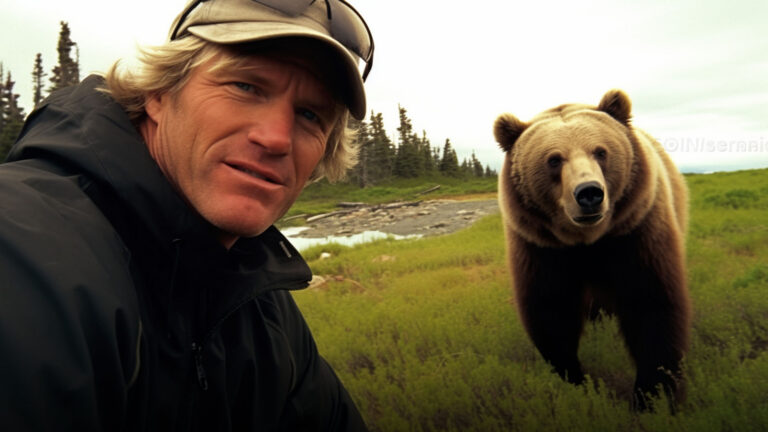
For thirteen summers, Timothy Treadwell went to Alaska and lived among grizzly bears. He named them. He talked to them. He got close enough to touch some of them.
He genuinely believed they had accepted him, and for over a decade nothing happened to prove him wrong.
Then in October 2003, one of those bears killed him outside his tent while his girlfriend watched.
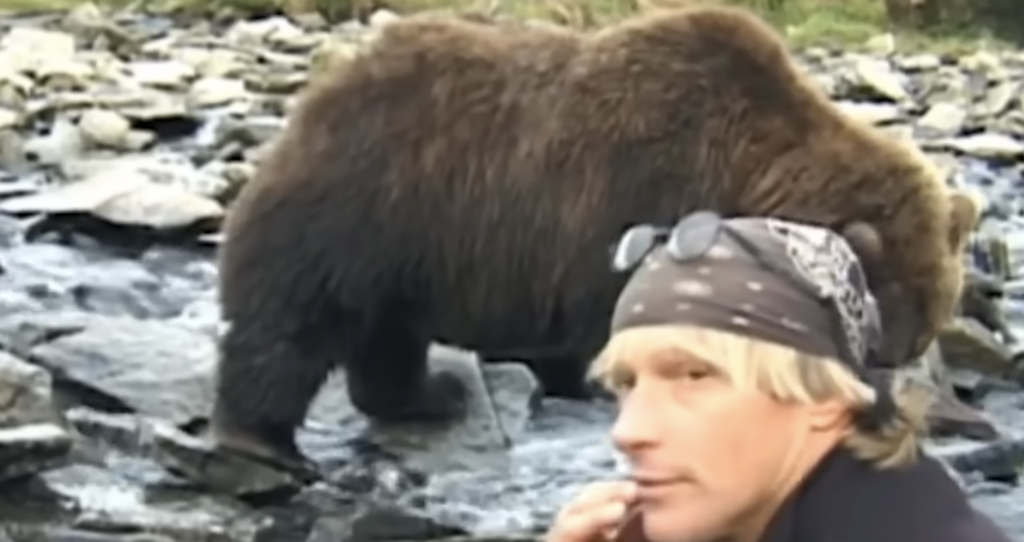
Amy Huguenard died there too.
The discovery came the following day. A pilot landed expecting to collect the couple and fly them home, and found the campsite apparently deserted.
Then he noticed a grizzly nearby, feeding on something that turned out to be human remains.
He retreated and alerted park authorities. Rangers recovered what was left of both Timothy and Amy, and two bears were subsequently killed, with human remains found inside one of them.
What investigators found afterward was worse.
A video camera had been running throughout the attack. The lens cap was still on, so nothing was captured visually, but the audio recorded everything.
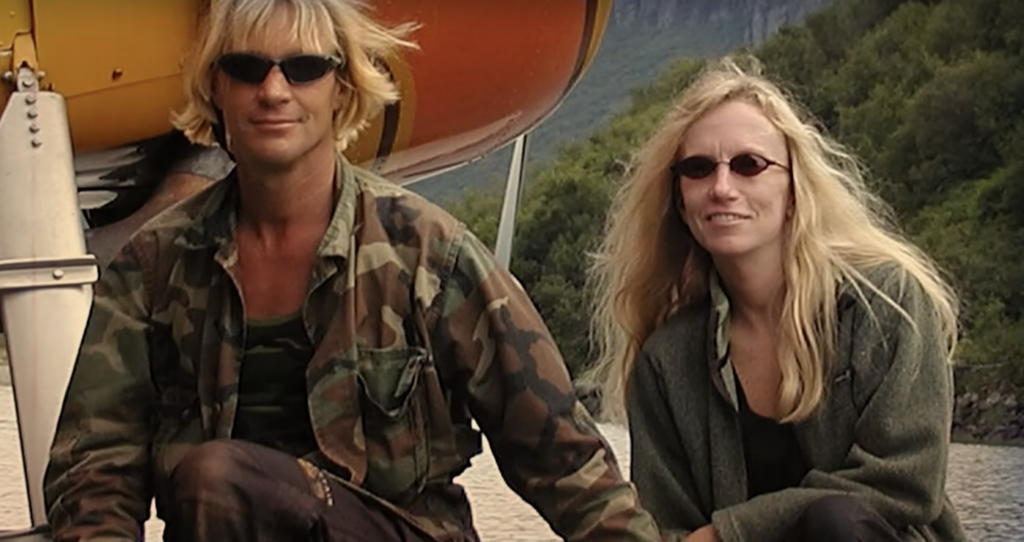
Werner Herzog later made a documentary about Treadwell’s life, and he became one of the very few people to hear that tape.
He advised everyone against listening to it and said it should be destroyed. It has never been released publicly.
Which leaves the questions the recording can’t answer.
Why did he keep approaching animals that experts kept warning him about? Why was he still camped in the park in October, the most dangerous month of the year? And how did thirteen years of apparent success end this way?
Treadwell hadn’t always been drawn to wilderness.
He spent his younger years struggling with addiction and never quite finding a place for himself. That changed completely when he first visited Alaska at 32, encountered a grizzly bear, and came away convinced he had found his purpose.
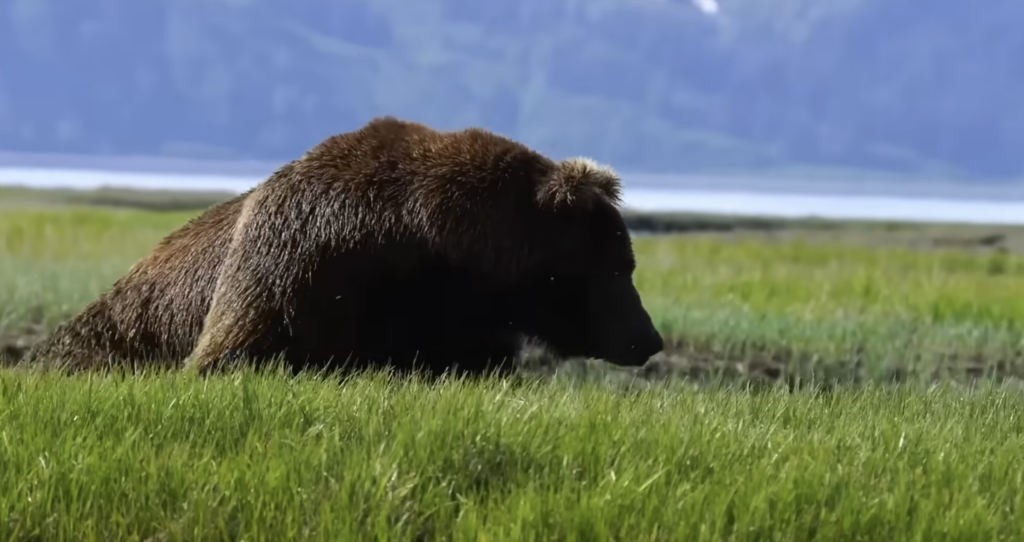
He went back nearly every year after that, filming the bears and building an audience around footage most specialists considered reckless.
The trust he described went one direction only. Wild bears remain unpredictable regardless of how familiar a person becomes, and getting them comfortable around humans makes them more likely to approach people generally, which endangers everyone who comes afterward.
Authorities told him this repeatedly.
In 1998, new park guidelines appeared partly in response to concerns about his camping habits, requiring visitors to relocate their camps regularly so bears wouldn’t come to associate particular spots with people.
Treadwell objected to a lot of those restrictions.
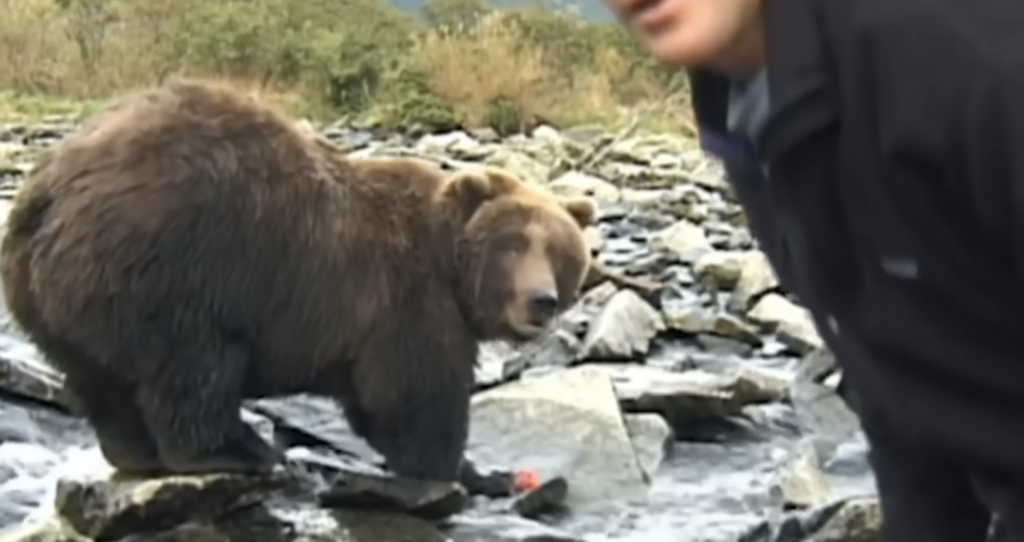
For his final expedition in 2003, he brought Amy to Katmai National Park, wanting her to see the world he had spent so long documenting.
The timing was the first mistake. By October, most visitors had cleared out, because bears turn aggressive in the weeks before hibernation while consuming as much as possible to build fat reserves.
He stayed anyway, and positioned camp near areas the bears used frequently, close to a lake full of salmon.
On October 5, the couple contacted a friend from the campsite. A storm came through later that day, and while they were resting inside the tent, Amy heard Timothy outside.
She picked up the camera first, which suggests she expected ordinary footage.
Then his voice changed into screaming.
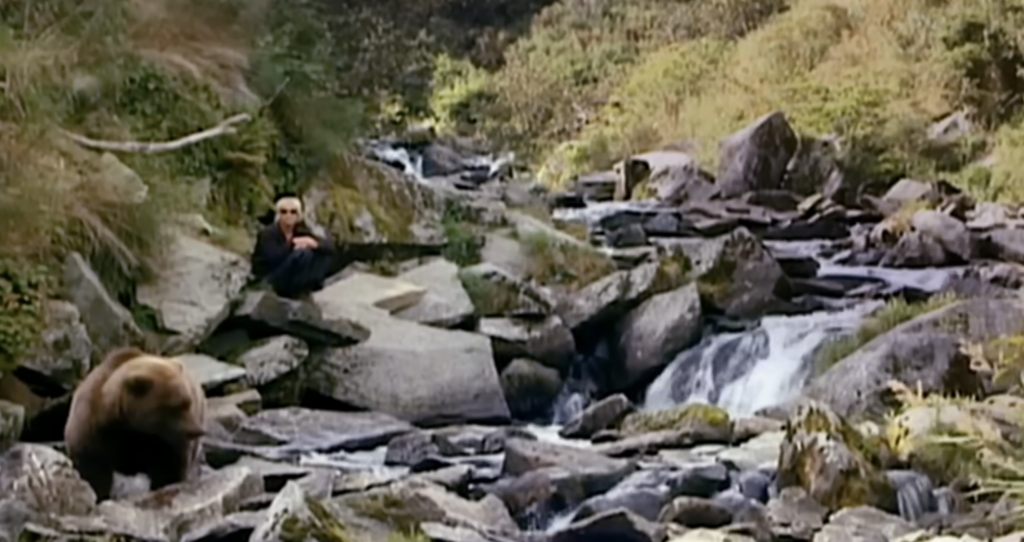
She ran out to find a grizzly weighing around 450 kg attacking him.
This animal wasn’t defending territory or reacting to a surprise. It was treating him as food, which is a completely different kind of attack and far harder to interrupt.
Timothy shouted for her to fight it off, and there was almost nothing she could do. They had no bear spray and no deterrent capable of stopping something that size.
Eventually he told her to save herself. The camera kept running until the tape ran out.
The investigation afterward found no randomness in any of it. Officials traced the outcome back through years of accumulated risk, from approaching wild animals directly, to camping beside feeding grounds, to letting bears grow accustomed to having a human around.
Treadwell spent thirteen years trying to demonstrate that people and grizzlies could coexist peacefully.
What he demonstrated instead is that a wild animal is never really tame, no matter how many seasons pass without incident.