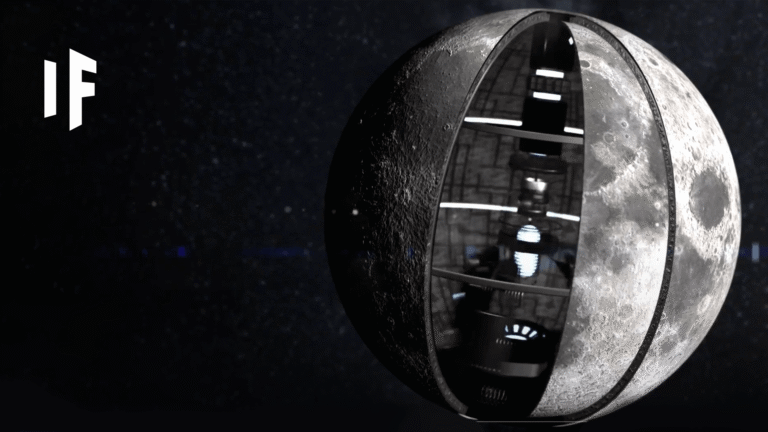
We can already build massive structures in space. Not planet sized yet, but still impressive by any historical standard.
Right now, Earth’s lower orbit is crowded with roughly 5,000 satellites, some active and some no longer functioning. From communication systems to weather monitoring, this orbital layer has become one of the most important technological zones around our planet.
But what if we took it a step further?
What if we built something far larger, a single artificial satellite bright enough to reflect sunlight back to Earth in a way that could light up entire cities at night?
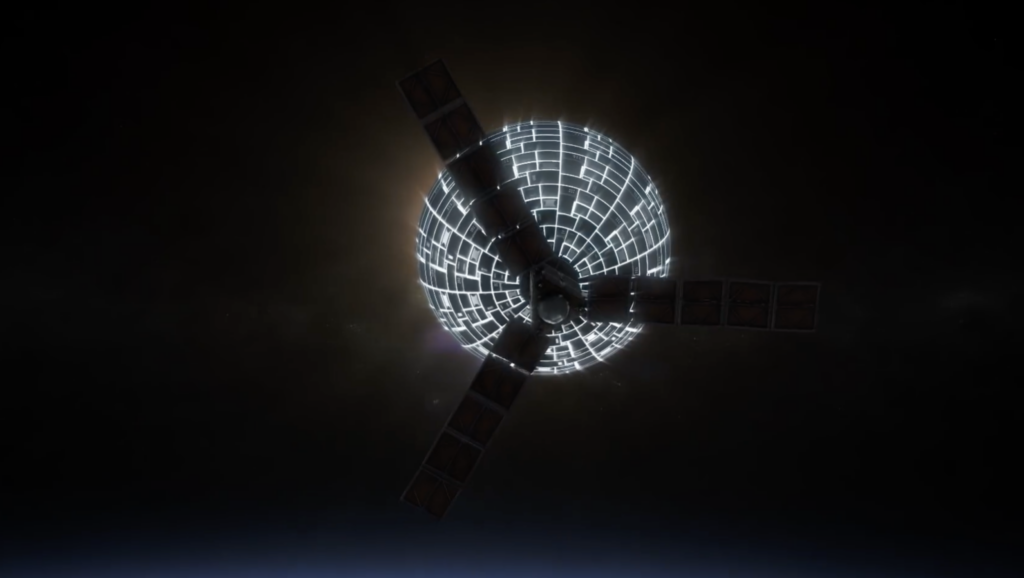
In other words, an artificial moon.
The idea raises two obvious questions. How large could we realistically build something like that? And more importantly, would it actually be a good idea?
To understand the scale, it helps to look at what already exists. The largest structure humans have placed in low Earth orbit is the International Space Station, which stretches roughly the length of a football field. It orbits about 400 kilometers above Earth and was assembled piece by piece over many launches.
An artificial moon would be far larger than anything we have ever constructed in space.
To even attempt something like this, it would need to be launched and assembled in orbit, likely in multiple sections. Positioning would also be critical. Most satellites either operate in low Earth orbit just above the ISS or in geostationary orbit about 35,000 kilometers above Earth. The real Moon, by comparison, sits at an average distance of about 380,000 kilometers away.
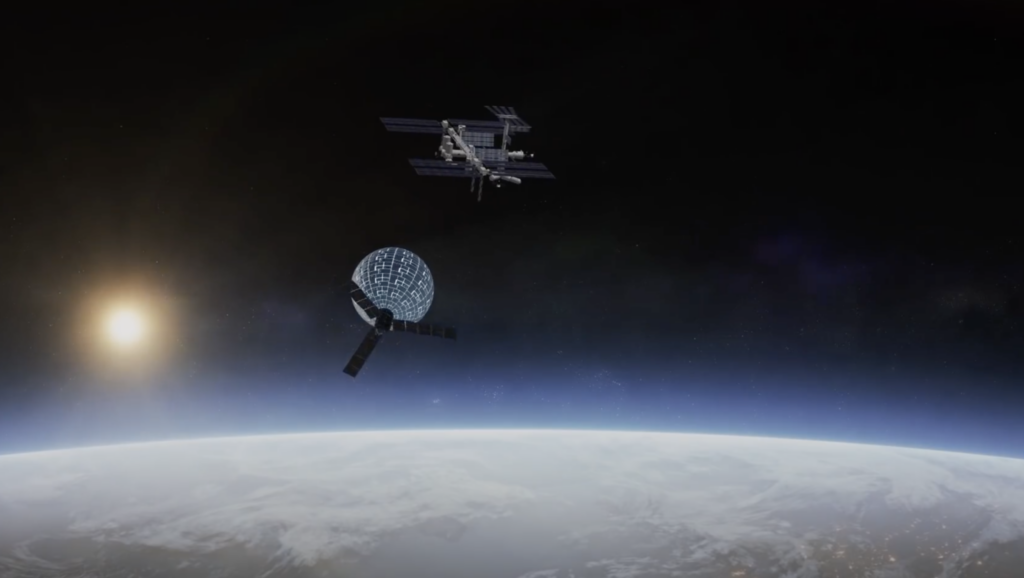
An artificial moon would not need to be placed nearly that far. Instead, it would likely sit somewhere between the ISS and the higher satellite bands, close enough to reflect sunlight effectively while remaining stable in orbit.
It would also need to maintain orbital velocity, roughly 27,400 kilometers per hour, to avoid gradually falling back to Earth due to gravity.
The concept is fairly simple in theory. A massive reflective surface placed in orbit could bounce sunlight back down to Earth, creating a permanent source of nighttime illumination. In practice, it would mean brighter nights across large regions of the planet, potentially reducing the need for artificial lighting.
Some proposals suggest that such a system could even reduce electricity consumption significantly in certain areas, depending on its brightness and coverage.
However, maintaining something this large in space would be a constant challenge. A structure of that scale could not simply be launched and left alone. It would require continuous monitoring, adjustments, and likely permanent maintenance systems in orbit.
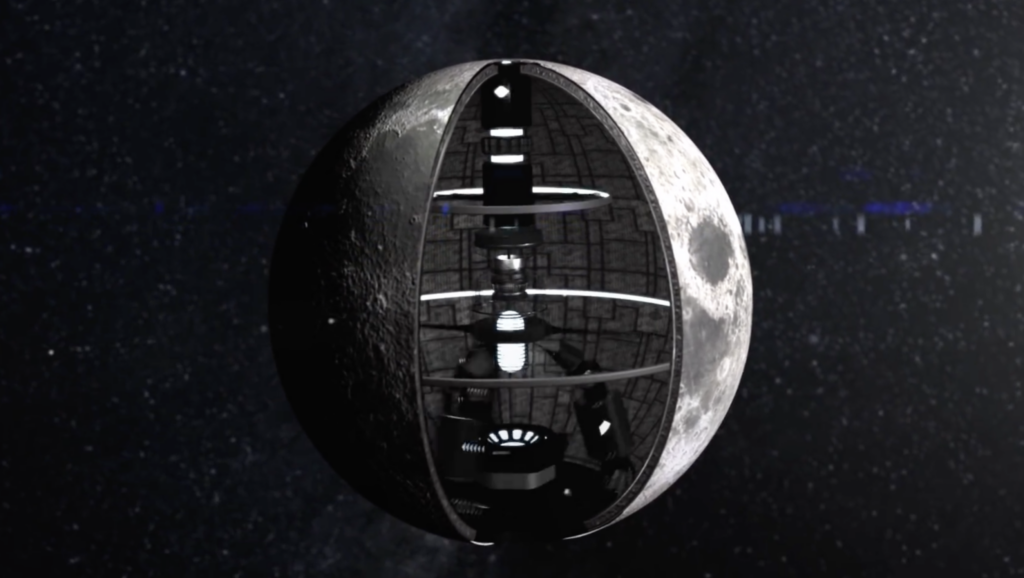
There is also the question of what happens on Earth.
While brighter nights might sound beneficial for human activity, they would have serious consequences for natural ecosystems. Many animals depend on darkness for hunting, migration, reproduction, and survival. Disrupting natural light cycles could interfere with entire food chains.
Human health could also be affected. Studies on light pollution suggest that excessive nighttime illumination can disrupt sleep patterns and circadian rhythms, potentially contributing to issues such as obesity, depression, diabetes, and heart related conditions.
Astronomy would also suffer. A bright artificial object in low orbit could make it significantly harder for ground based telescopes to observe deep space, limiting our ability to study distant galaxies and potentially slowing scientific discovery.
In effect, the night sky itself could be permanently changed, reducing visibility of natural stars and altering humanity’s connection to space.
Despite these concerns, reports have occasionally claimed that Chinese engineers have explored concepts similar to an artificial illumination satellite. Some descriptions suggest a structure far larger than the International Space Station, potentially many times brighter than the natural Moon, with the goal of reducing electricity costs in cities below.
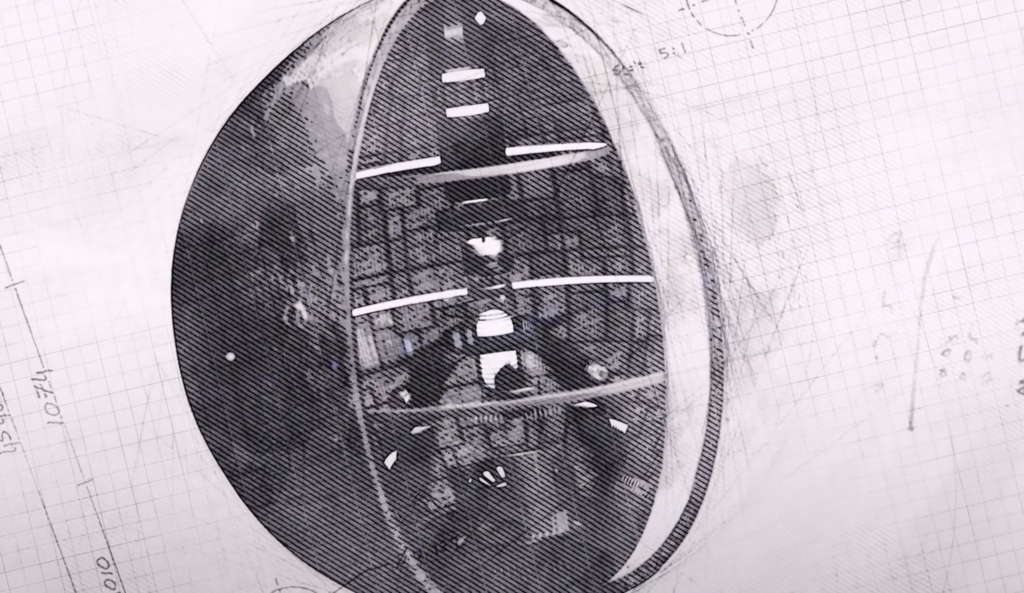
However, there is currently no confirmed public evidence of an operational project at that scale. Most details remain speculative, and no verified implementation has been demonstrated.
For now, the idea of an artificial moon remains what it has always been, an ambitious concept at the edge of engineering possibility.
But it raises a deeper question.
Just because we can illuminate the night, should we?