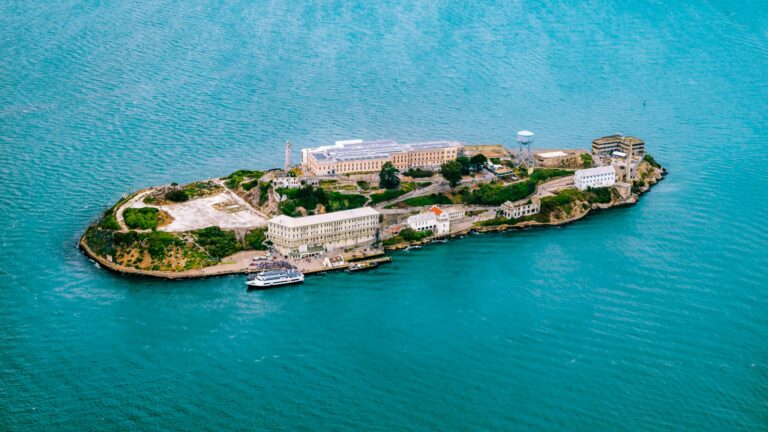
Imagine being told that your new prison cell sits on an isolated island in the middle of San Francisco Bay. The water around you is cold, the currents are strong, and there is no bridge connecting you to the mainland. Escape seems impossible.
That was the reputation of Alcatraz.
For decades, the prison was considered one of America’s most secure places to hold dangerous criminals. Murderers, gangsters, and notorious outlaws were sent there because authorities believed the island itself was one giant security system.
But could that same prison actually work in the modern world?
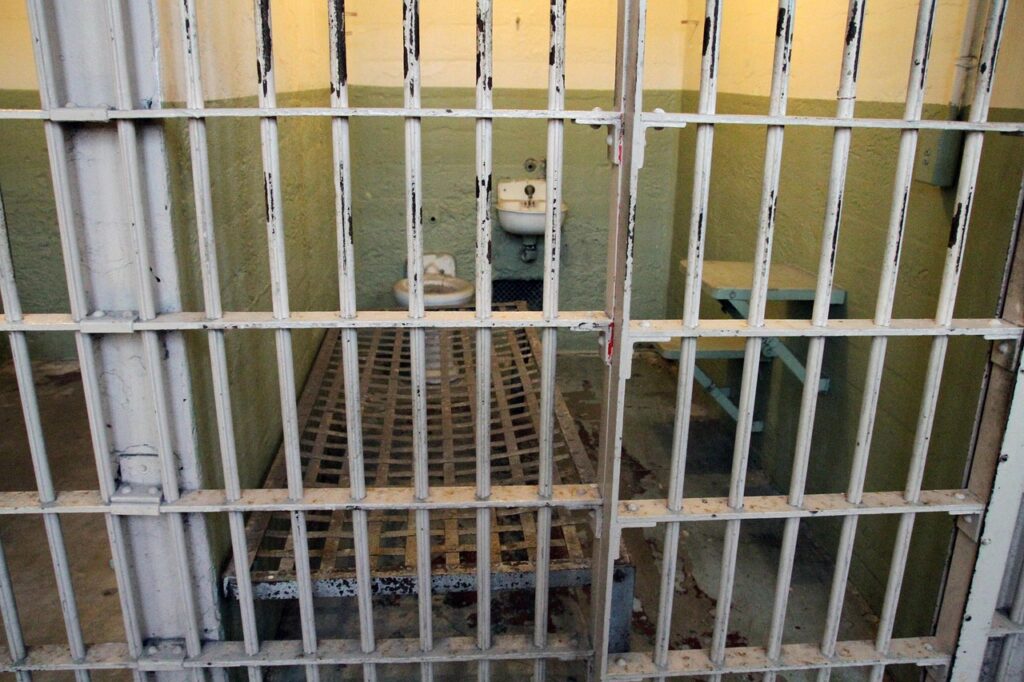
At first glance, the idea sounds appealing. An island prison has obvious advantages. There are no nearby roads to flee onto and no easy way for outsiders to approach unnoticed. Anyone trying to escape would immediately face freezing water and powerful currents.
However, modern prisons face challenges that did not exist when Alcatraz was operating.
Today’s correctional facilities depend heavily on technology. Cameras monitor almost every area. Electronic systems control doors and track movement throughout buildings. Staff rely on sophisticated communication networks and advanced security equipment.
The original Alcatraz was built long before any of that existed.
Reopening it would mean rebuilding nearly everything from the ground up. Entire sections of the prison would need new infrastructure, modern utilities, upgraded electrical systems, and sophisticated security technology. In many ways, it would be easier to construct a brand new prison than to transform a decades old tourist attraction into a modern correctional facility.
Then there is the issue of cost.
Operating a prison on an island is incredibly expensive. Every employee, every meal, every piece of equipment, and every medical supply must be transported across the water. Even simple repairs become complicated when nearly everything has to arrive by boat.
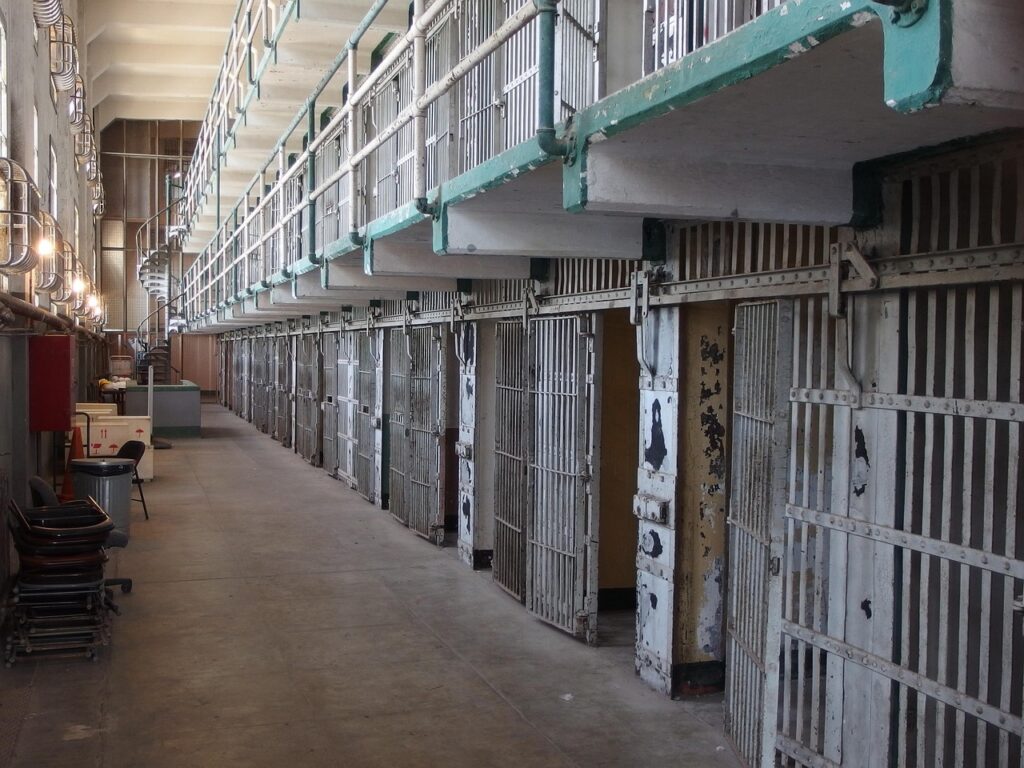
Modern prisons are also designed to house large numbers of inmates. Many facilities can hold thousands of prisoners at once. Alcatraz was much smaller. Even after major renovations, the island simply does not have much room to expand.
That creates an important question.
Is it worth spending billions of dollars on a prison that can only house a relatively small number of inmates?
Supporters might argue that Alcatraz could serve a special purpose. Instead of holding thousands of prisoners, it could be reserved for the most dangerous criminals in the country. Its isolation could make it an ideal place for inmates who present extraordinary security concerns.
But even then, modern technology has changed the definition of maximum security.
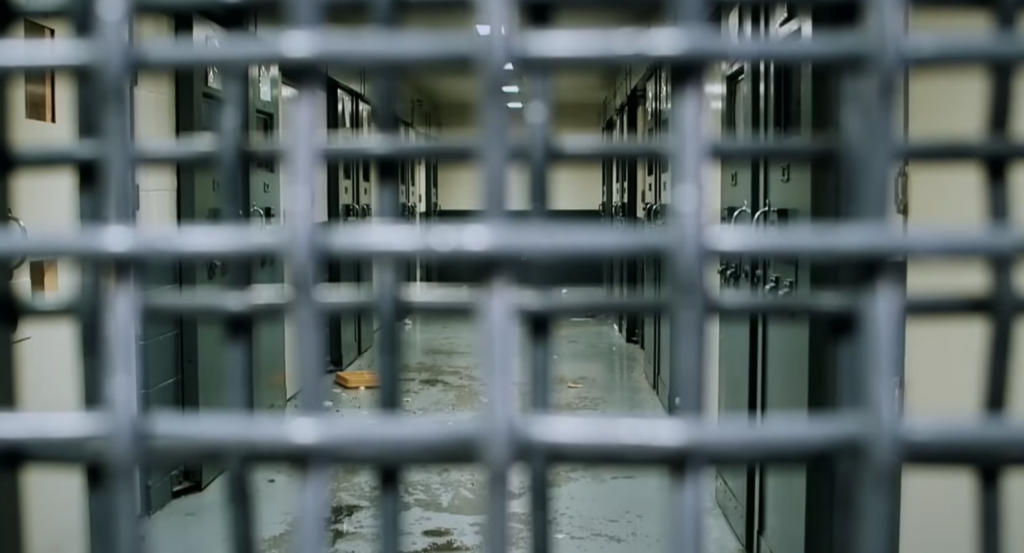
Today, prisons can monitor inmates continuously using cameras, motion detectors, and advanced surveillance systems. High security facilities on the mainland can isolate prisoners just as effectively while costing much less to operate.
And despite its fearsome reputation, Alcatraz was never completely escape proof.
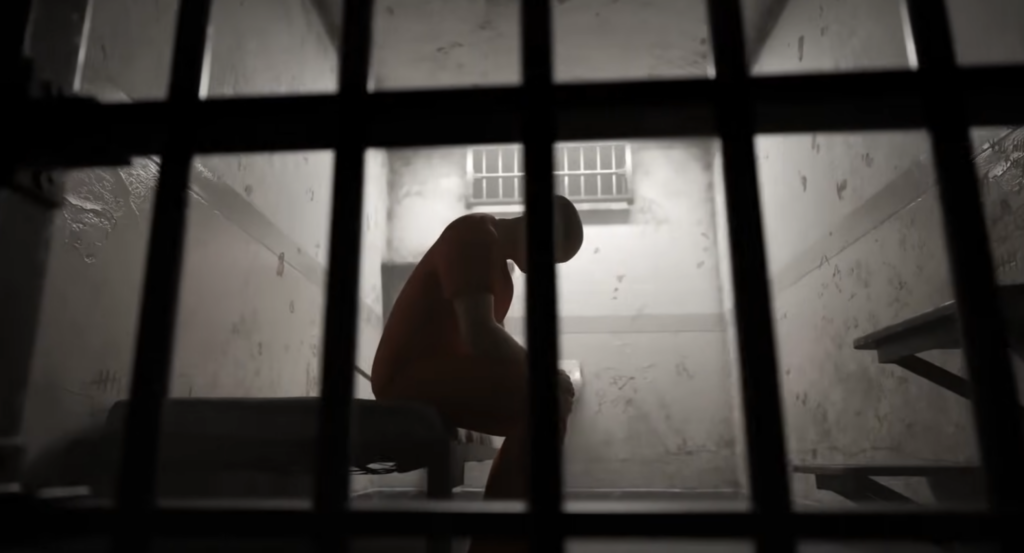
Several inmates attempted to flee the prison during its years of operation. The island’s reputation often came from its symbolism as much as its physical barriers. The prison represented punishment, isolation, and the idea that certain criminals could be removed entirely from society.
That symbolism still exists today.
Millions of tourists visit Alcatraz because it has become one of the most recognizable prisons in history. Reopening it would instantly capture public attention. The name alone still carries a sense of mystery and danger.
Yet history and practicality are not always the same thing.
A modern Alcatraz would certainly be secure. It would probably remain one of the most difficult prisons in America to escape from. But it would also be expensive, complicated to operate, and much smaller than modern correctional facilities.
In the end, the biggest obstacle might not be security at all.
It is whether rebuilding one of history’s most famous prisons makes sense in a world where modern technology has already created newer, larger, and more efficient ways to keep dangerous criminals behind bars.