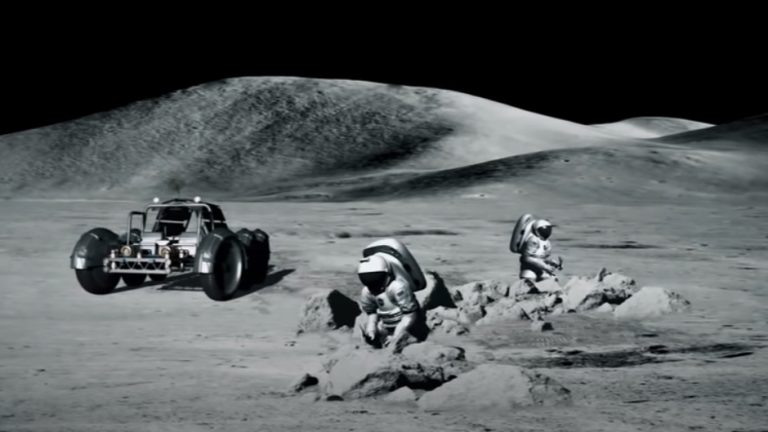
Humanity is preparing to return to the Moon with new missions that will push deeper into space than ever before. Each step brings us closer to long term living beyond Earth, but it also raises a bigger question. Could the Moon itself ever be transformed into a place where people can truly live without constant support from Earth
At the moment, the Moon is a harsh and lifeless world. It has no breathable air, no flowing water on the surface, and extreme temperature swings between day and night. Even so, it remains one of the most attractive targets for future settlement because it is close, familiar, and easier to reach than any other planetary body.
Compared to Mars, the Moon is much closer to Earth and only takes a few days to reach with current spacecraft. It also receives strong sunlight, which could be useful for energy production. These advantages make it an interesting candidate for early experiments in large scale space habitation.
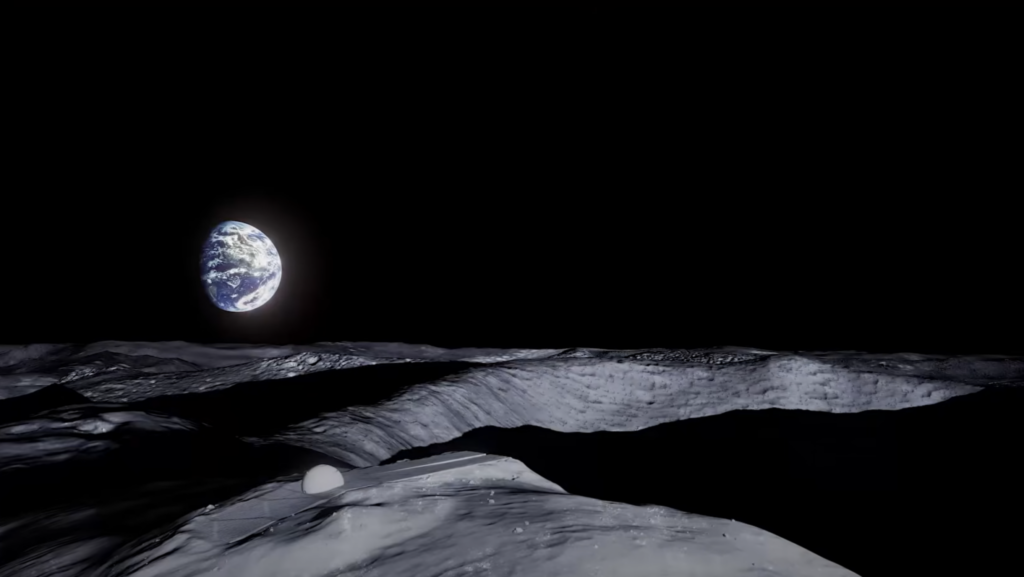
But building a simple base is very different from transforming the entire Moon into a world that resembles Earth conditions. To do that, we would need to change almost every fundamental aspect of its environment, starting with the creation of an atmosphere.
One theoretical approach suggests delivering large amounts of volatile material to the lunar surface using comets made of ice. These impacts could release water, carbon dioxide, ammonia, and methane, slowly building a thin atmosphere around the Moon over time.
As these materials spread, they could also form shallow seas in low lying regions. These reflective surfaces would change how the Moon appears from Earth, making it significantly brighter in the night sky due to increased sunlight reflection.
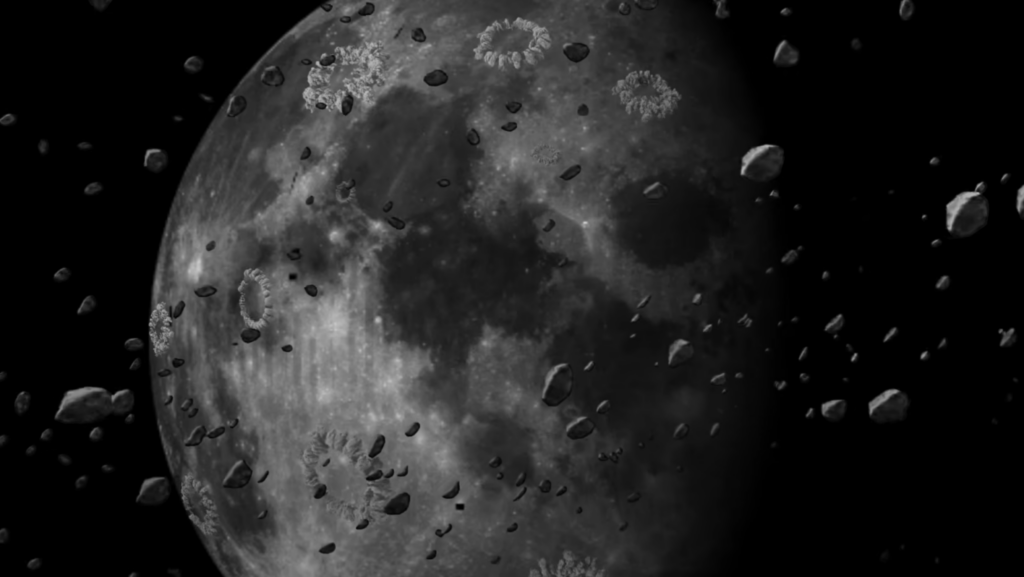
In addition to creating an atmosphere, such impacts would also affect the Moon’s rotation. The added momentum could gradually shorten its extremely long day, which currently lasts about 28 Earth days. Over time, it might be reduced to something closer to a 60 hour cycle.
As the Moon’s rotation changes, it would no longer remain locked in the same orientation toward Earth. This would allow observers on Earth to eventually see regions of the Moon that are rarely visible today, offering a completely different view of our closest celestial neighbor.
However, creating an atmosphere is only part of the challenge. The Moon does not have a strong magnetic field today, which means any atmosphere would be exposed to solar wind that could strip it away over time.
One possible solution is that a faster rotation could help generate a magnetic effect inside the Moon’s core, similar to how Earth produces its own protective shield. Another idea involves placing a large artificial shield in orbit to deflect charged particles before they reach the surface.
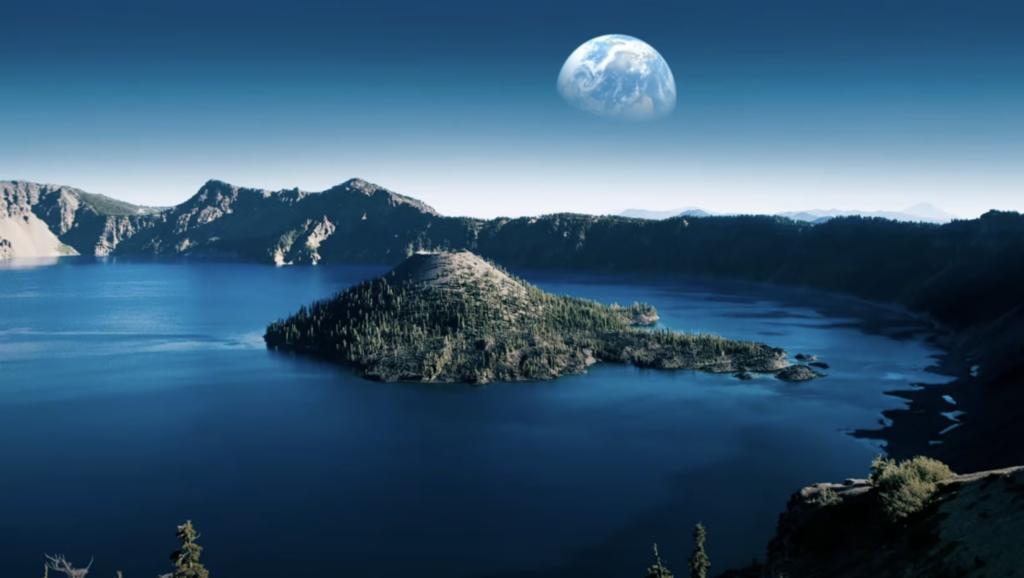
If these conditions could somehow be stabilized, the next step would be introducing life. Scientists could begin with engineered plants designed to survive in poor soil and low gravity environments. Algae and other simple organisms could then help produce oxygen and slowly improve the atmospheric composition.
Over long periods of time, this process could create a world that supports basic ecosystems. Temperatures would likely rise due to greenhouse effects, and weather patterns could begin to form, including cloud cover and rainfall in controlled regions.
Even tides could exist in a modified form, potentially reaching extreme heights compared to Earth. Some estimates suggest that gravitational differences could create tidal movements far stronger than anything seen on our planet today.
Living on such a transformed Moon would still be very different from Earth. Gravity would be much weaker, allowing people to jump several meters into the air and move in ways that would feel almost like slow motion compared to Earth conditions.
Physical activity would also change. Running, lifting, and even movement through water would require far less effort, creating an environment where human abilities would feel greatly enhanced compared to normal Earth conditions.
Despite these fascinating possibilities, the challenges of transforming the Moon remain enormous. It would require technology far beyond what we currently possess, along with resources on a scale that is difficult to imagine.
For now, the idea of a habitable Moon remains a scientific thought experiment rather than a practical plan. Still, it helps us understand what might one day be possible as humanity continues to expand deeper into space.
Whether or not we ever reshape the Moon, it will likely remain one of the most important stepping stones for future exploration, and a constant reminder of how close other worlds are to our own.