An earthquake can start without any warning. One second everything feels normal, and the next a deep rumble shakes the ground. Dishes crash, objects fall from shelves, furniture moves, and pets panic. In moments like this, an ordinary day can turn into a dangerous situation very quickly.
So what is actually happening underground
Earthquakes happen because Earth’s outer layer is made of huge rock sections called tectonic plates. These plates slowly move over the softer layer beneath them. Where they meet, they can lock together instead of sliding smoothly. These zones are called fault lines.
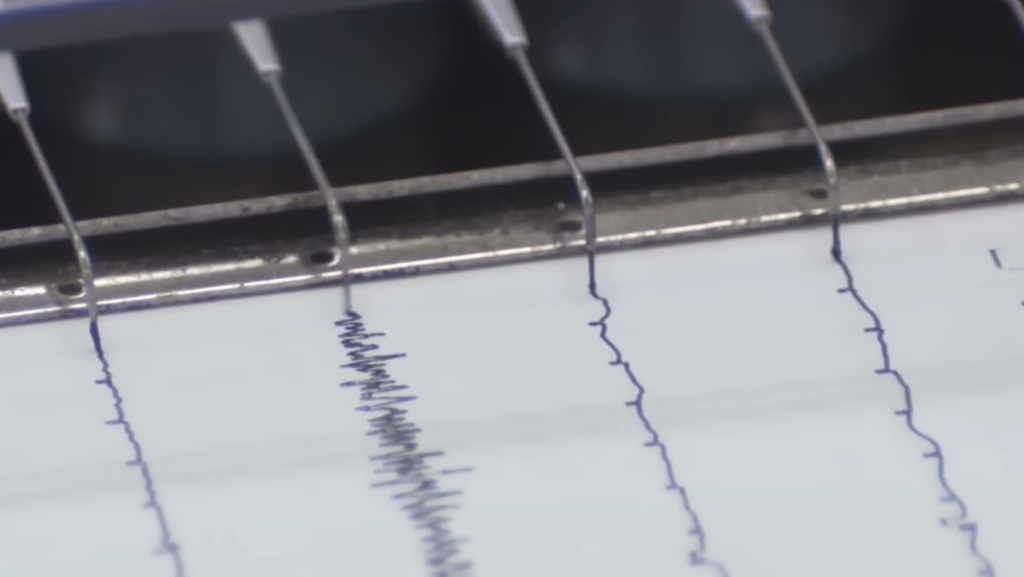
Over time, pressure keeps building as the plates push against each other. When the stress becomes too strong, the rocks suddenly slip. That release sends energy through the ground in waves. Those waves are what we feel as an earthquake.
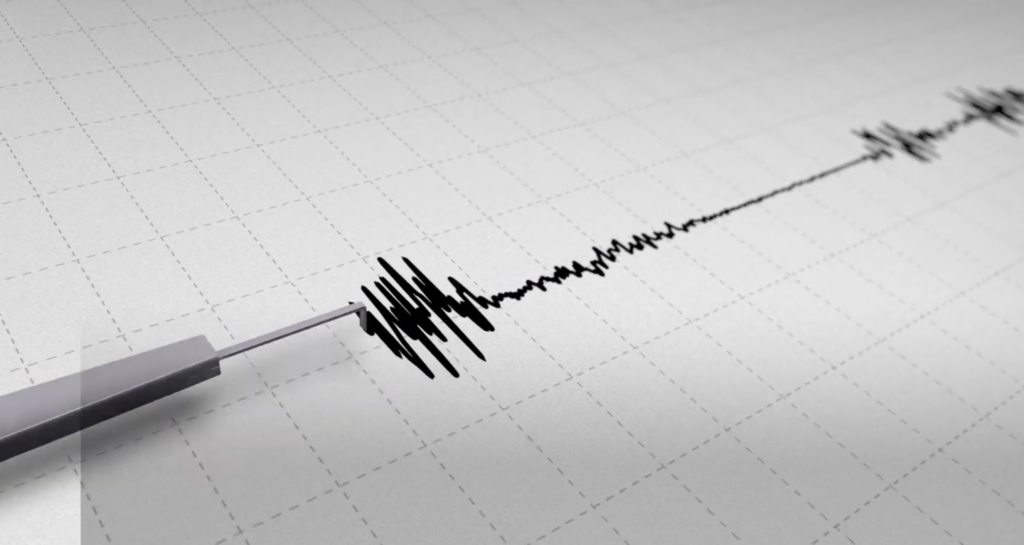
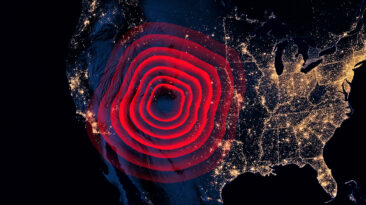
Earthquakes can happen in many parts of the world, but they are most common around the Ring of Fire in the Pacific Ocean. This area is where several tectonic plates meet, making it very active. Countries like Japan, Indonesia, and the Philippines experience frequent shaking, sometimes many times in a single month.
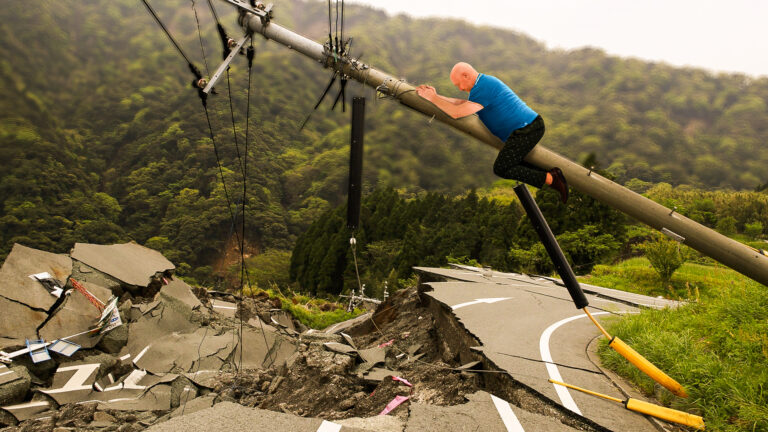
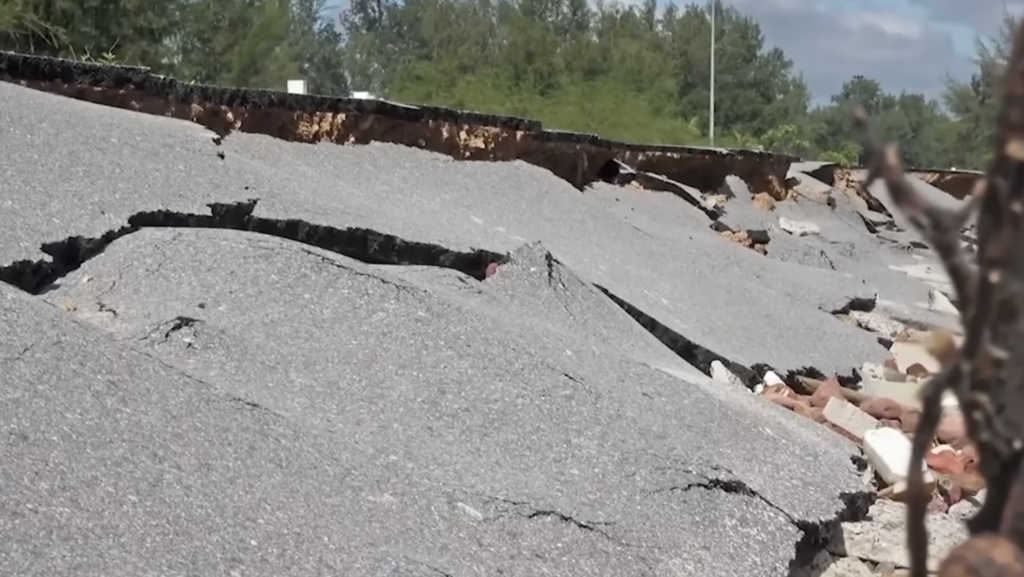
The damage caused by earthquakes depends on their strength and depth. Some only create light shaking, while others can destroy entire buildings. There are also secondary dangers such as fires from broken gas lines, landslides, avalanches, and tsunamis when earthquakes happen under the sea.
Because earthquakes cannot be predicted, safety depends on preparation before anything happens.
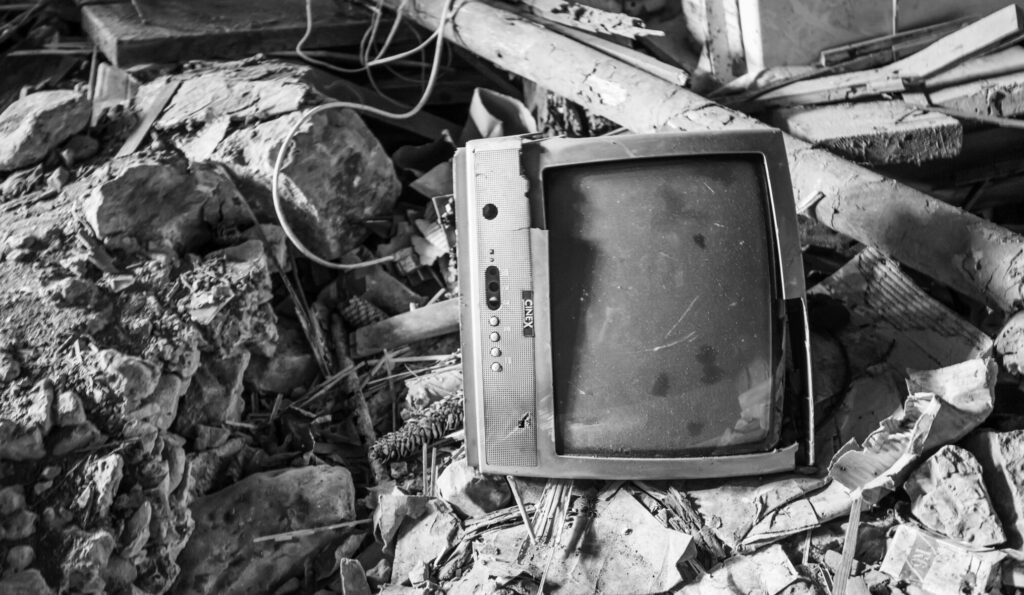
One of the most important steps is making your home safer. Heavy objects like shelves, televisions, and cabinets should be fixed to walls so they cannot fall. Fragile items should be stored on lower levels where they are less likely to break or cause injury.
Another key step is learning the correct reaction during shaking. Experts recommend Drop, Cover, and Hold On. Drop down to your hands and knees so you do not fall. Cover your head and neck under a strong table or desk. Hold on until the shaking stops. This method is important because most injuries come from falling objects.
Families should practice this regularly. In a real situation there is no time to think slowly, so training helps the body react automatically.
It is also important to have a family plan. Everyone should know a safe meeting place in case they get separated. Communication systems may stop working during disasters, so having a clear location is very important.
An emergency kit should also be prepared. It should include water, long lasting food, medicine, a flashlight, batteries, a phone charger, and a whistle. These basic items can become very important if people are trapped or services are interrupted.
Some people in high risk areas also choose earthquake insurance. It does not stop damage, but it can help reduce financial stress after a disaster.
When an earthquake begins, quick action matters. If you are indoors, stay inside and use Drop, Cover, and Hold On. Do not run outside while the ground is shaking because falling objects are often more dangerous than staying indoors.
If you are in a car, pull over safely and stay inside until the shaking stops. Avoid stopping near bridges, tunnels, or tall structures.
Many people believe doorways are the safest place, but that is not true in modern buildings. The safest protection is under strong furniture that can shield you from falling objects.
After the shaking stops, danger can still continue. Smaller aftershocks may follow minutes, hours, or even days later. These can still damage weakened buildings.
If you are inside a damaged building, leave carefully when it is safe. Move away from glass, walls, and anything that could fall. Stay in an open area until authorities say it is safe.
If you are trapped, try to stay calm. Cover your mouth to avoid dust. Tap on pipes or walls to signal where you are. A whistle can help if you have one. Sending a text message may also work when calls do not connect.
If you are near the ocean, move quickly to higher ground after the shaking stops. Earthquakes under the sea can trigger tsunamis that arrive very fast with little warning.
Do not go back into damaged buildings until officials confirm they are safe. Structures may look fine but can still collapse during aftershocks. Always follow instructions from emergency services through radio, television, or phone alerts.
If helping others, stay careful. Do not try to move heavy debris alone and use protective items like gloves and strong shoes.
Earthquakes are powerful and unpredictable, but science shows that survival is possible with the right preparation and actions. Understanding how the ground moves and knowing what to do can greatly reduce risk.
When the shaking starts, the most important things are simple. Stay calm, act fast, and protect yourself. With preparation and awareness, survival chances become much higher even in the strongest earthquakes.