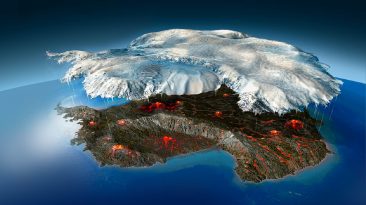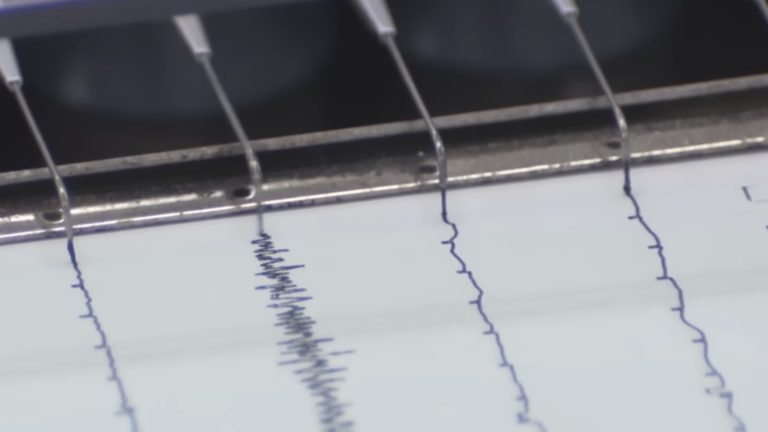
A magnitude 7.8 earthquake just devastated parts of the Philippines. The powerful quake sent people rushing into the streets, damaged buildings, and triggered tsunami warnings across parts of the Pacific. Events like this are a stark reminder that the Earth beneath our feet is constantly moving, driven by enormous tectonic forces hidden deep below the surface.
While a magnitude 7.8 earthquake is considered a major seismic event capable of causing widespread destruction, it is far from the upper limit of what people can imagine. In fact, every increase on the earthquake magnitude scale represents a dramatic jump in energy. A magnitude 10 would release vastly more energy than a 7.8.
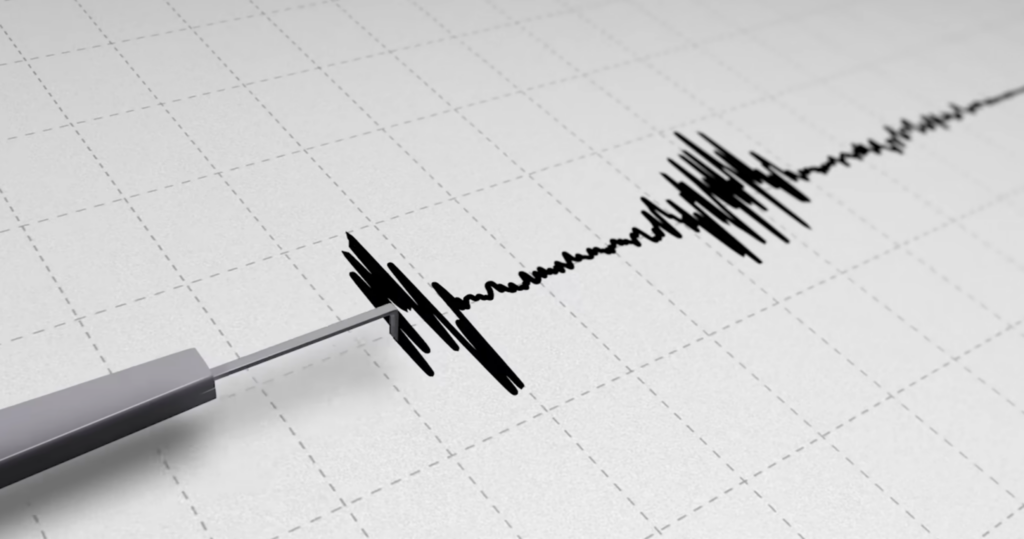
But that raises a terrifying question: what on Earth happens if a magnitude 20 hits?
But what if the shaking didn’t stop at 7.8? What if it wasn’t just one fault line, what if every plate on Earth shifted at once? What if a magnitude 20 earthquake hit?
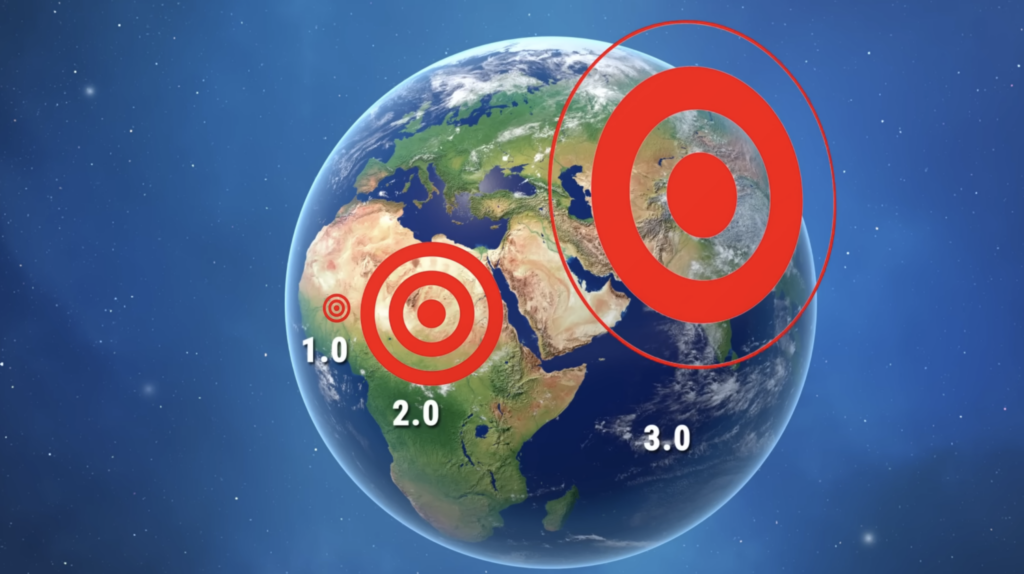
To understand just how catastrophic that would be, we first need to understand how earthquakes are measured. Earthquakes are ranked on a logarithmic scale, which means each whole number increase represents about 32 times more energy than the previous one. A magnitude 3 earthquake is not just slightly stronger than a magnitude 2.
It is roughly 32 times more energetic. By the time you jump several magnitudes, the difference becomes enormous.
The strongest earthquake ever recorded was the 1960 Valdivia earthquake in Chile. It measured magnitude 9.5, killed more than 1,600 people, left around two million homeless, and generated tsunamis that crossed the Pacific Ocean. It remains the benchmark for seismic disasters.
Yet even that monster quake would look tiny compared to a magnitude 20.
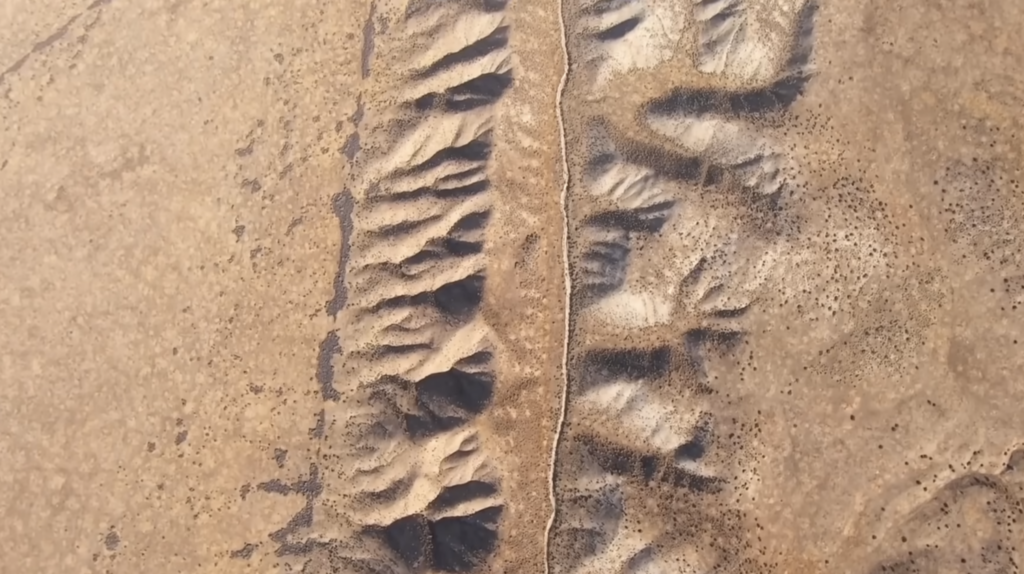
Most earthquakes occur when tectonic plates grind against each other along fault lines. These massive slabs of Earth’s crust are constantly moving. Sometimes they become locked together by friction while pressure continues building beneath them. When that pressure finally overcomes the resistance, the plates suddenly slip, releasing huge amounts of energy as seismic waves.
The larger the fault line, the larger the earthquake. But there is a problem with a magnitude 20 event. It is essentially impossible under normal geological conditions.
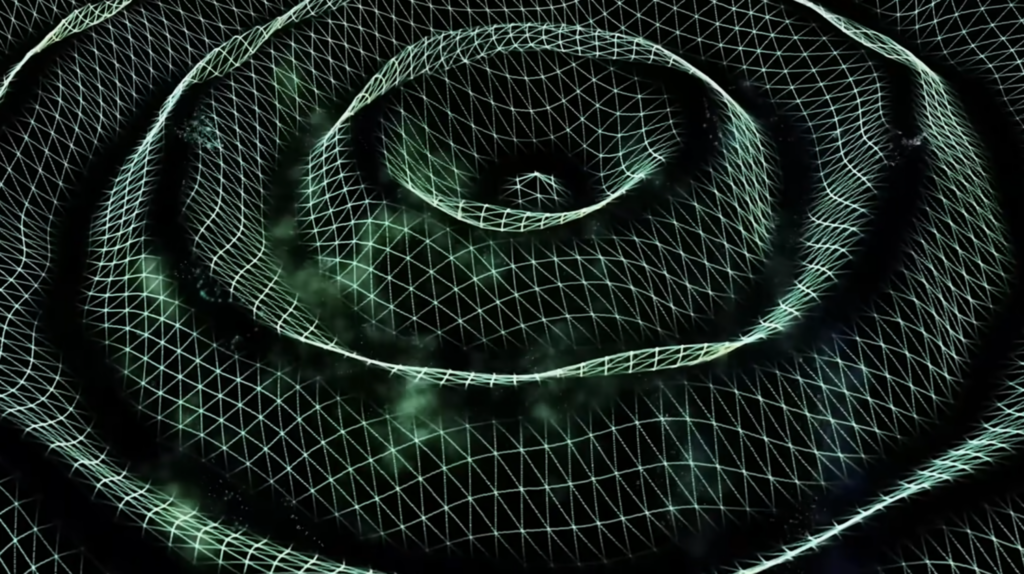
Scientists estimate that even a magnitude 10.5 earthquake would require a fault line roughly 80,000 kilometers long. Earth’s circumference is only about 40,000 kilometers. There simply is not enough planet available to create such a fault.
So how could a magnitude 20 happen?
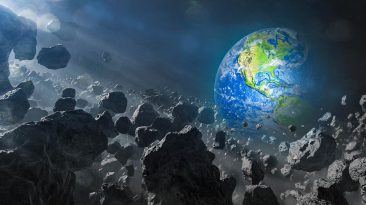
One possibility would be an asteroid impact unlike anything humanity has ever witnessed. A space rock large enough to trigger a magnitude 20 earthquake would not just shake the ground. It would unleash unimaginable amounts of energy across the entire planet.
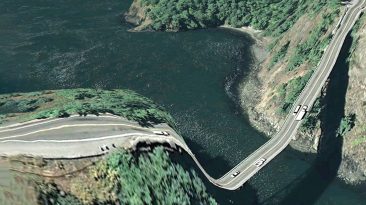
The shaking alone could last for more than five minutes. Buildings would collapse across continents. Highways would split apart. Bridges, airports, dams, and power grids would fail almost instantly. Massive aftershocks would continue for hours, creating new disasters long after the initial event.
The oceans would become just as dangerous. Giant tsunamis would race across the globe, slamming into coastlines with unstoppable force. Entire cities could disappear beneath walls of water.
At the same time, volcanic systems around the world might awaken. The enormous stress traveling through Earth’s crust could trigger eruptions on multiple continents. Ash clouds would darken the skies, temperatures could drop, and global food production would be threatened.
And then comes the truly frightening part.
A magnitude 20 earthquake would release so much energy that scientists compare it to something called Earth’s gravitational binding energy.
This is the force that holds our planet together against the tendency of its own mass to fly apart.
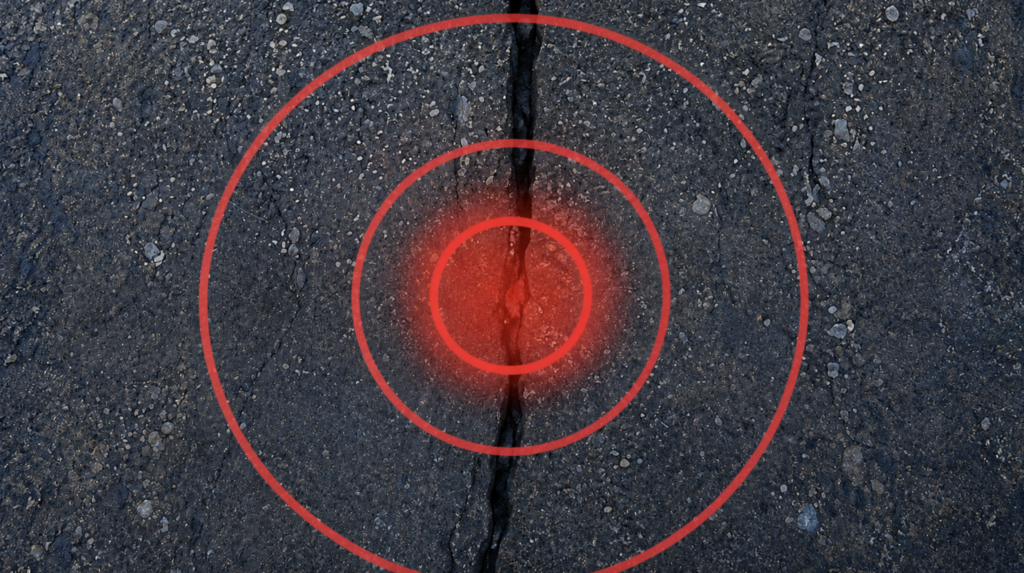
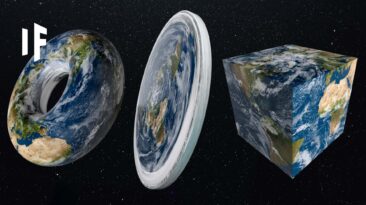
While the exact physics become difficult to imagine, a magnitude 20 event approaches levels where the stability of the planet itself becomes a concern. In other words, humanity would have far bigger problems than collapsed buildings or tsunami warnings.
Fortunately, there is some good news. According to everything scientists currently know about geology, a natural magnitude 20 earthquake cannot happen on Earth. The planet simply lacks the fault systems required to generate that much energy.
Still, the recent magnitude 7.8 earthquake in the Philippines is a reminder of just how powerful our world can be. Even without science fiction level disasters, the forces moving beneath Earth’s surface are capable of changing lives in a matter of seconds.
And perhaps that’s the most unsettling thought of all. A magnitude 20 earthquake may be impossible, but the ground beneath our feet is never truly standing still.