Every instinct tells you to fight it. To force your arm to move, to push out a scream, to break free by sheer effort.
That is the worst thing you can do.
The one movement that actually helps is so small you would never think of it: your eyes.
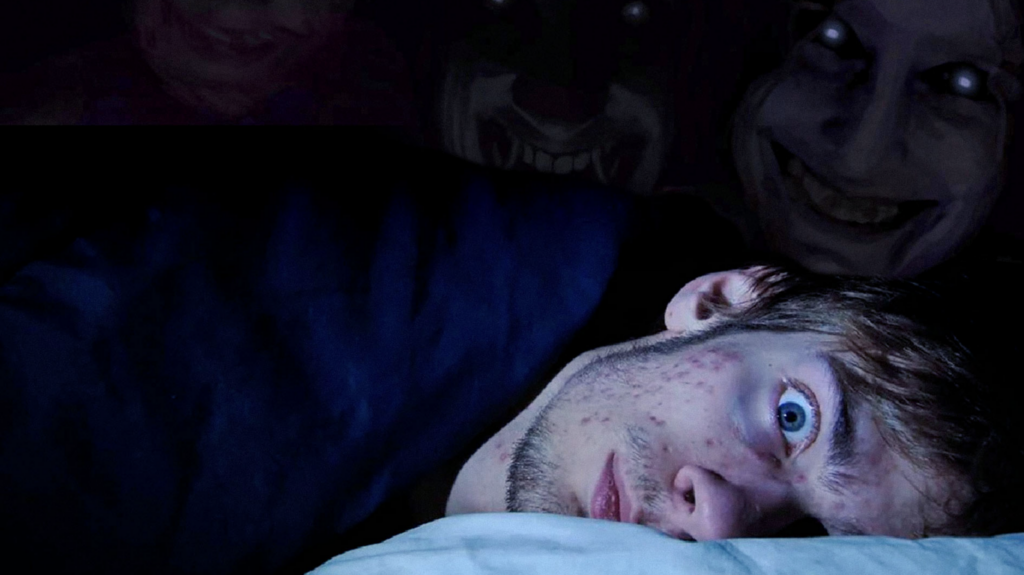
A growling sound wakes you in the middle of the night. Your eyes open, and in the dim light you notice a dark silhouette standing nearby. Fear arrives instantly.
You try to sit up, to move, to scream. Nothing responds.
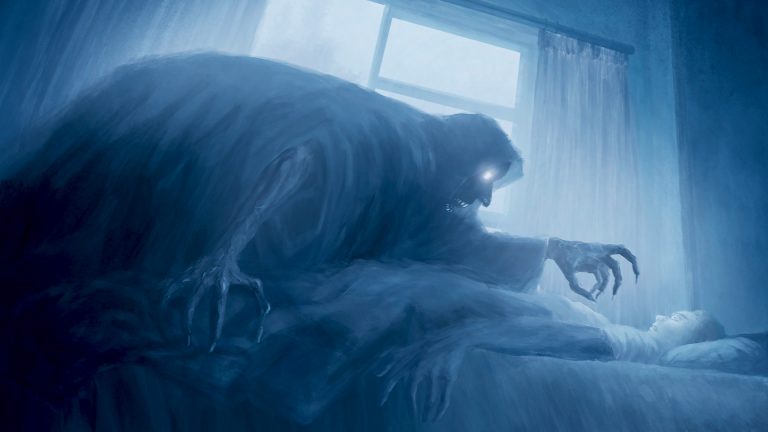
The figure seems to drift closer. You are completely aware and completely powerless. Is any of this real?
What you are experiencing is sleep paralysis, a state where your mind becomes conscious while your body remains in the temporary muscle shutdown that normally accompanies REM sleep. The brain wakes up first. The body stays offline.
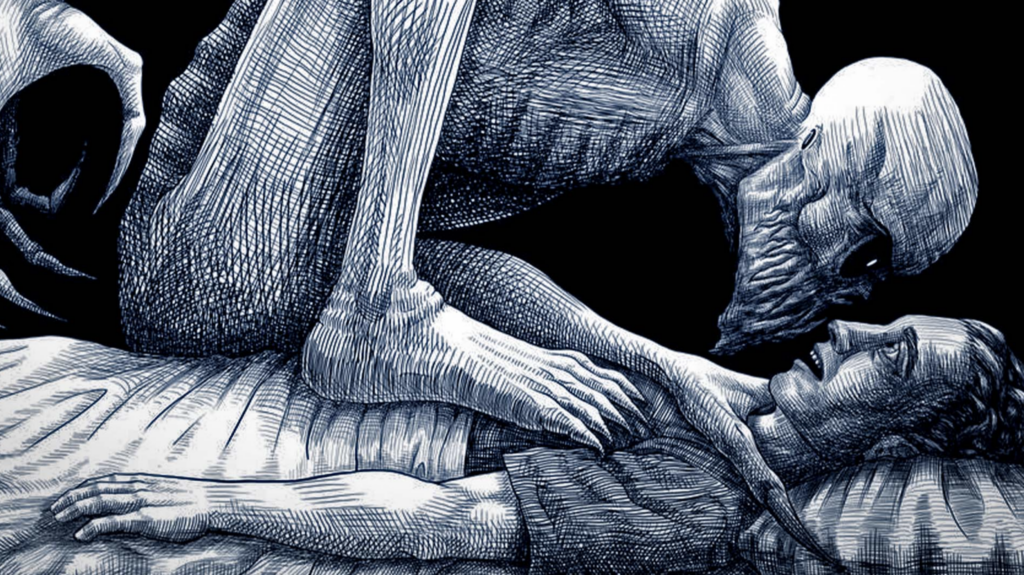
That disconnect is terrifying on its own, and it frequently comes packaged with hallucinations. People report sensing a presence in the room, feeling pressure crushing their chest, or hearing voices and footsteps. Part of the brain is still running in dream mode, which is exactly why it all feels so convincingly real.
These episodes strike during transitions between sleep stages. During REM sleep your brain is highly active and dreaming, while your body is deliberately held still so you do not physically act out those dreams. Sleep paralysis happens when awareness returns before the muscles switch back on.
The result is a short but intense stretch of being awake inside a body that will not cooperate.
Prevention starts with your schedule. Going to bed at irregular hours or not sleeping enough disrupts normal sleep cycles, and disrupted cycles trigger episodes. A stable routine lets your brain move through the stages smoothly without abrupt interruptions.
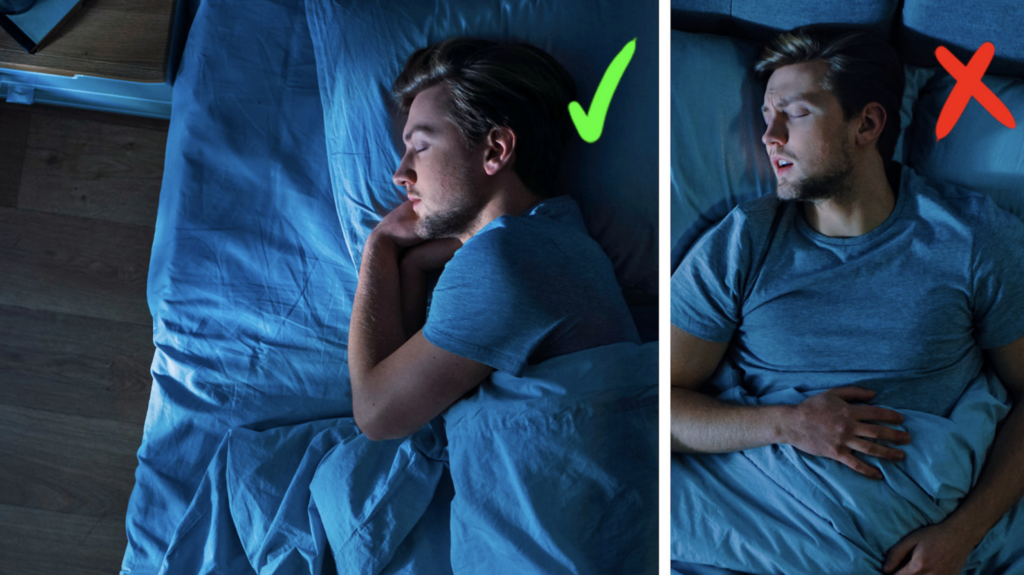
Position matters too. Many people notice episodes happen far more often when they sleep on their back, possibly because that position increases snoring and breathing disruptions, causing sudden micro awakenings during REM sleep. Those abrupt transitions are exactly what sets sleep paralysis off.
A simple fix some people use is placing a pillow behind their back to stop themselves rolling over during the night.
Now, what to do when it actually happens.
The most effective response is the hardest one: do not panic. As frightening as the experience feels, it is temporary and harmless. Reminding yourself that it will pass genuinely reduces the fear and can make the episode feel shorter, and steering your thoughts toward something calm helps stop hallucinations from escalating.
Struggling against it does the opposite. Fighting the paralysis and trying to force movement simply increases anxiety, which feeds the whole experience.
Which brings us back to your eyes.
Even when your body feels completely frozen, small movements often remain possible, and the eyes are usually the first thing you can control. Moving them rapidly or attempting to blink can signal to your brain that you are awake, and that signal may break the episode sooner.
No struggling required. Just a few deliberate blinks.
If episodes become frequent and start affecting your daily life, it is worth seeking medical support. A healthcare professional may suggest treatments including medications that regulate sleep patterns or address underlying conditions disturbing your REM sleep.
The reassuring truth is that sleep paralysis is not dangerous, however much it feels like a nightmare leaking into reality.
And avoiding sleep to escape it would only create bigger problems. Your brain needs rest, even when it occasionally reminds you how powerful dreams can be by trapping you inside one.