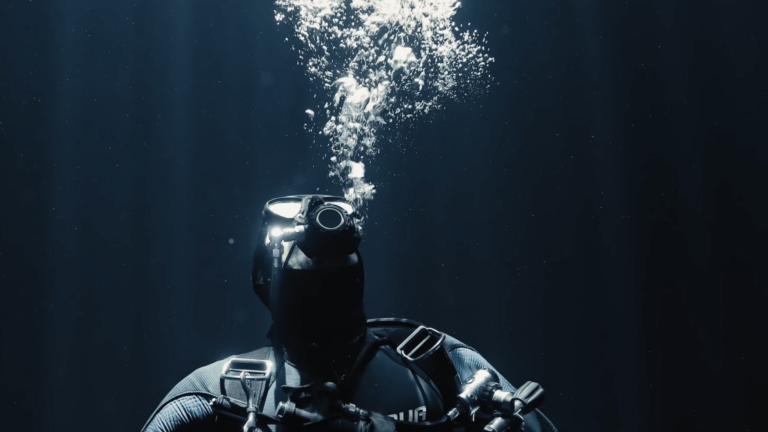
“The pain, I could feel it come around, down my arms, across my shoulders and then it’s that instant when it’s hit my spine. It’s almost like an explosion, like a firework, it just poooof.”
That’s how Tim Saxon, a survivor of an Irukandji jellyfish sting, described the terrifying moment the pain finally hit.
While diving off the Great Barrier Reef, Tim had a box jellyfish graze his arm. At first, he didn’t feel anything, so he assumed the jellyfish hadn’t stung him.
But this wasn’t an ordinary box jellyfish. It was an Irukandji jellyfish, one of the culprits responsible for Irukandji syndrome, a potentially life-threatening condition that can cause severe muscle cramping, fluid buildup in the lungs and cardiac arrest.
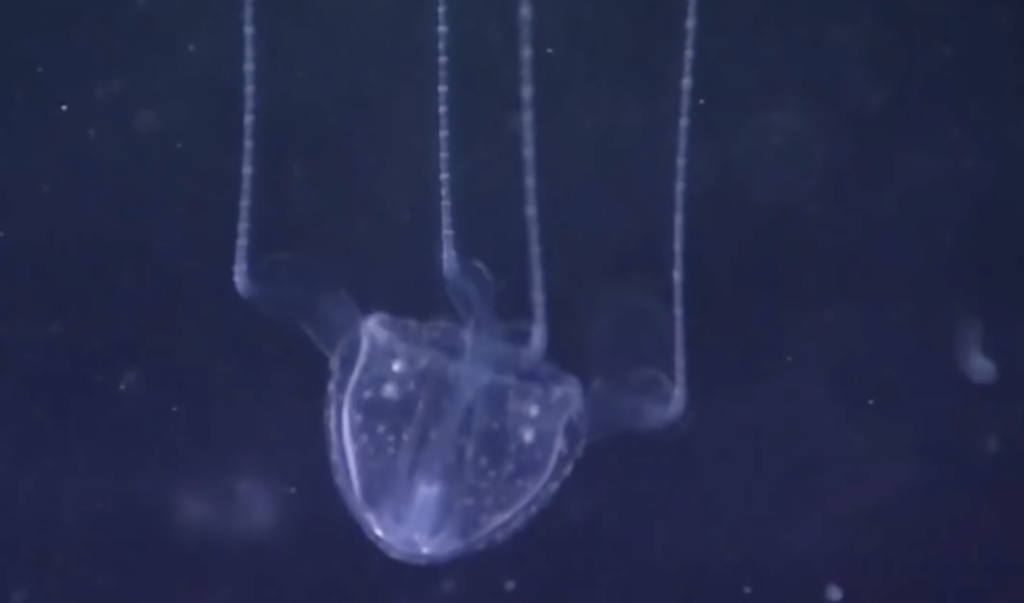
What makes these jellyfish even more dangerous is their size. While a typical box jellyfish can grow up to 10 inches (25 cm) in diameter and have tentacles reaching 10 feet (3 m), Irukandji jellyfish are incredibly small.
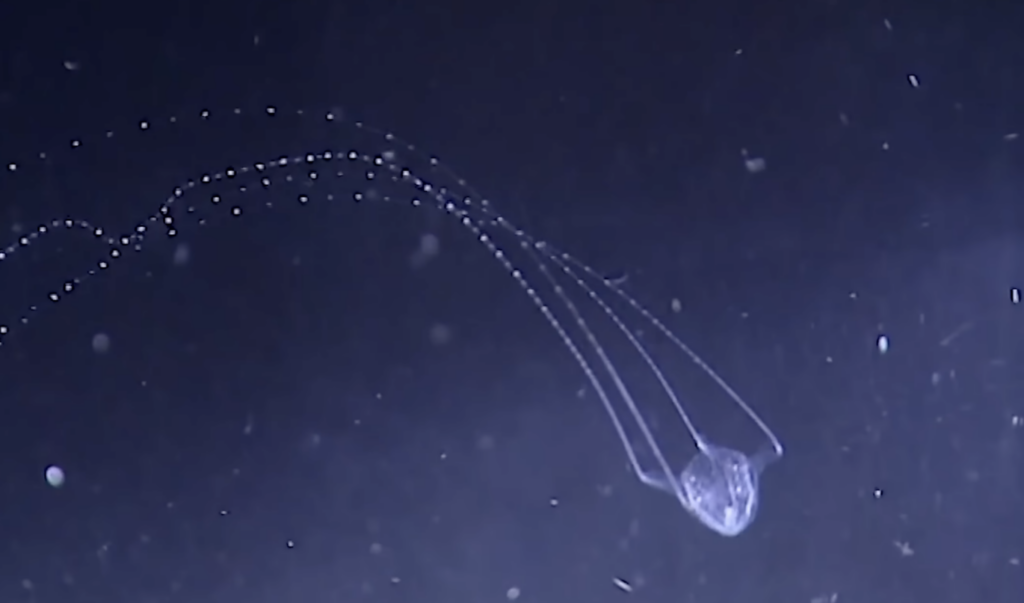
Some adult Irukandjis measure only about a cubic centimeter. But don’t let their tiny size fool you, because their thin, hair-like tentacles can stretch up to three feet (1 m) long and deliver a serious sting.
Another reason they’re so dangerous is that the initial sting may be almost impossible to notice. You might not realize you’ve been stung until symptoms begin appearing.
These symptoms can include a fluctuating heart rate, intense pain and, in severe cases, paralysis. They can take anywhere from five minutes to two hours to develop, meaning someone can feel almost completely fine before their condition suddenly becomes critical.
For Tim, the pain eventually arrived with overwhelming force. What started as an almost unnoticed graze transformed into pain that spread through his arms and shoulders before reaching his spine like an explosion.
Thankfully, Tim was taken to a hospital and connected to a magnesium-based IV drip. The treatment helped manage his symptoms and ultimately saved his life.
Irukandji jellyfish aren’t the only box jellyfish that can be deadly. Common box jellyfish are believed to be responsible for around 100 deaths worldwide every year.
And unlike Irukandji stings, a sting from a common box jellyfish is usually impossible to ignore. The pain can be immediate and unbearable, followed by difficulty breathing or even cardiac arrest.
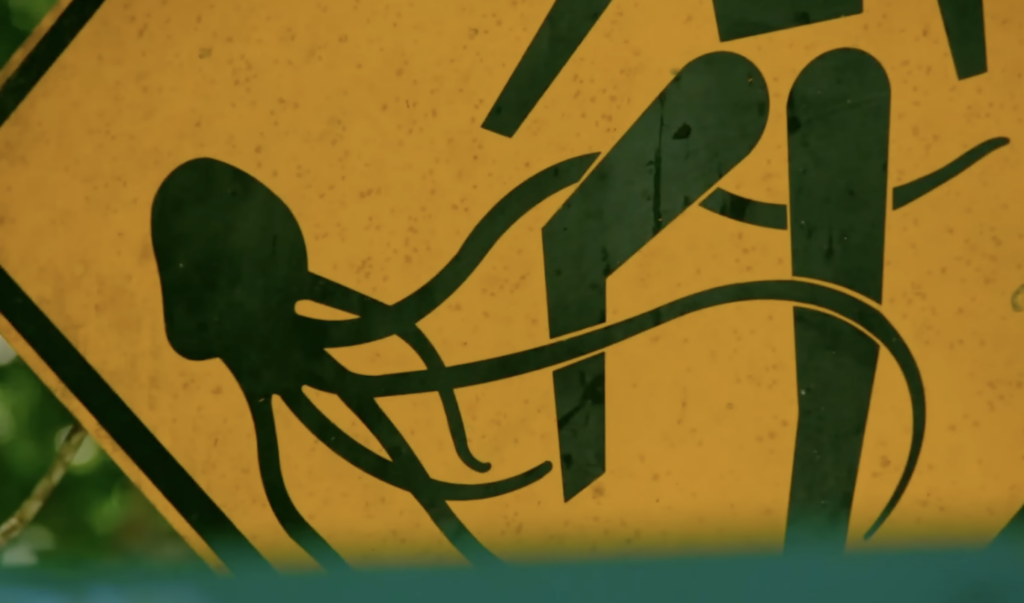
Fortunately, an antivenom is available for common box jellyfish stings. But depending on how severe the sting is, a victim may have only minutes before their heart stops.
So when it comes to jellyfish, size can be incredibly misleading. One of the world’s smallest jellyfish can deliver a sting powerful enough to turn an ordinary dive into a fight for survival.