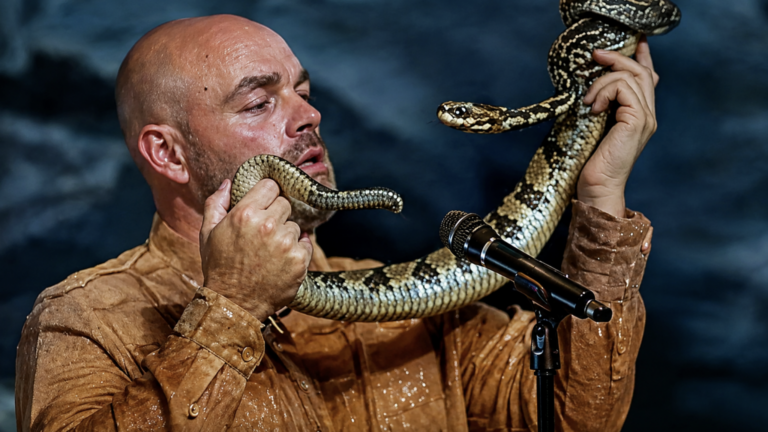
Growing up around venomous snakes, Jamie Coots knew exactly how dangerous they could be. Yet he believed his faith would protect him, convinced that either God would save him from a fatal bite or it would simply be his time to go.
Coots was a third generation serpent handler and pastor at the Full Gospel Tabernacle in Jesus Name in Middlesboro, Kentucky. His father and grandfather had preached before him, and the church was part of a small Appalachian tradition in which worshippers handled venomous snakes as an expression of their faith.
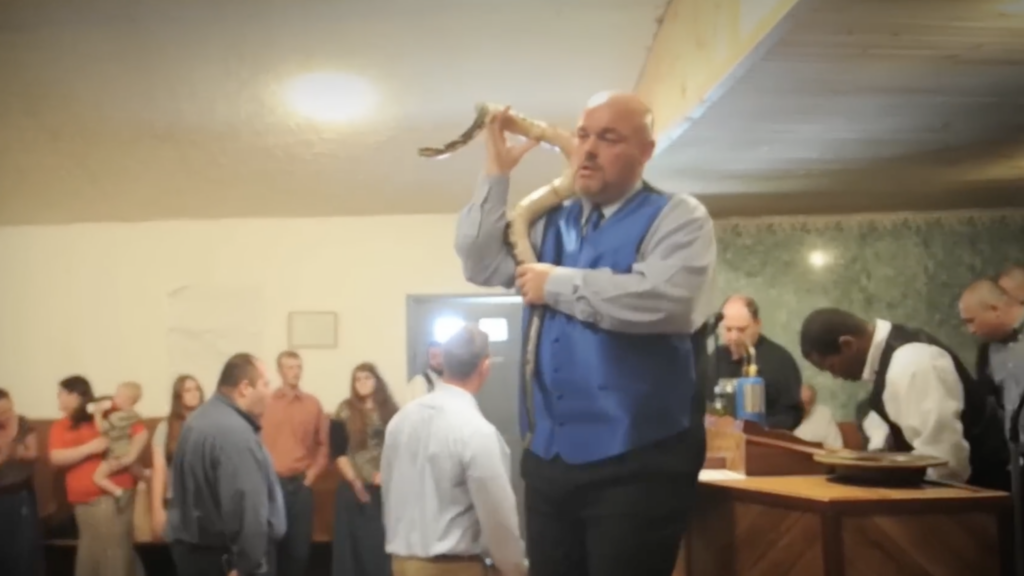
During services, Coots would lift snakes into the air while members of the congregation sang, danced and worshipped. The snakes did not always cooperate. Over the years, Coots was bitten repeatedly, suffering painful injuries that left lasting scars.
One of the most serious attacks happened when a rattlesnake bit his hand during a sermon. His arm gradually turned purple, and the venom caused severe damage to his finger. Eventually, part of the finger became so badly damaged that the bone was exposed before it broke away.
Despite the injury, Coots continued handling snakes.
His unusual religious practices also brought legal trouble. In 2008, authorities confiscated 60 snakes from his home, including copperheads, timber rattlesnakes, cottonmouths, cobras and other venomous species. Some of the animals were illegal to possess, leading to criminal charges.
In 2013, he faced another legal problem after transporting venomous snakes across the border into Tennessee. Although he had legally purchased the animals in Alabama and had documentation, he eventually pleaded guilty to a misdemeanor and forfeited the snakes.
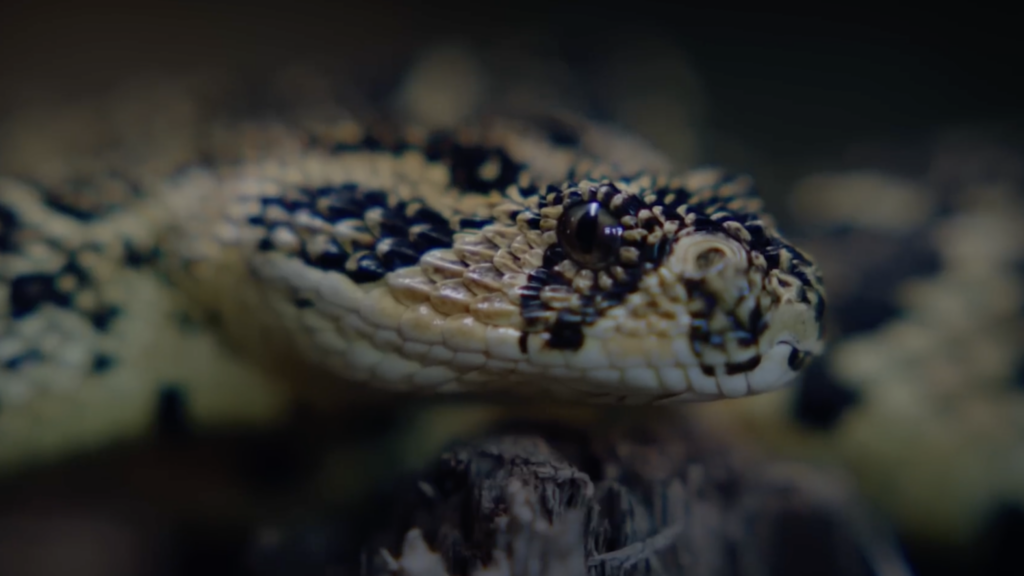
That same year, Coots became nationally known after appearing in the National Geographic series Snake Salvation. The program documented his church, his beliefs and the dangerous practice of catching and handling venomous snakes.
But only a few months after the show aired, Coots would make headlines for a far more tragic reason.
On a Saturday night in February 2014, Coots was leading a church service attended by around 40 people. He had been handling several timber rattlesnakes when one of them suddenly bit him on the hand.
The effects were rapid.
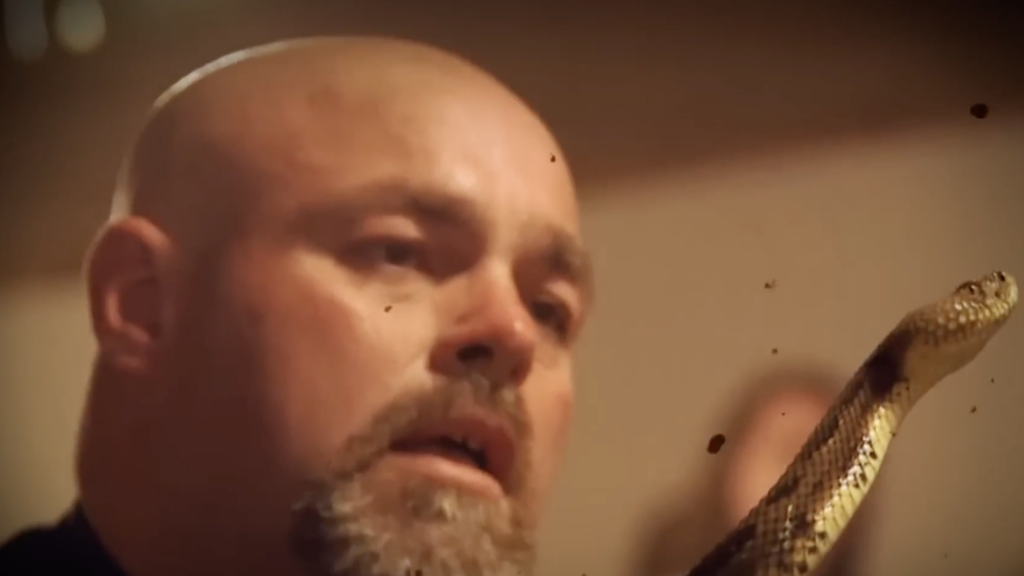
Coots began vomiting and complained that his face felt like it was burning. Soon afterward, he lost consciousness. His son Cody and several other church members carried him to a car and took him home, where he was placed in a recliner.
Paramedics eventually arrived and urged the family to take him to a hospital. But Coots had made it clear throughout his life that accepting medical treatment for a snakebite conflicted with his religious beliefs. His wife declined medical intervention.
Coots never regained consciousness.
At 10:16 P.M. on February 16, 2014, a deputy coroner officially pronounced him dead. He was 42 years old.
The tragedy was especially painful for his family because Coots had spent years believing that his faith would protect him from the very danger that eventually killed him. His son Cody later decided to continue the family tradition and became the church’s pastor despite having experienced snakebites himself.
Coots was not the first person connected to the congregation to die from a venomous snakebite. In 1995, 28 year old Melinda Brown was bitten by a timber rattlesnake at the church. Members prayed over her instead of seeking conventional medical treatment, but she eventually died from the venom.
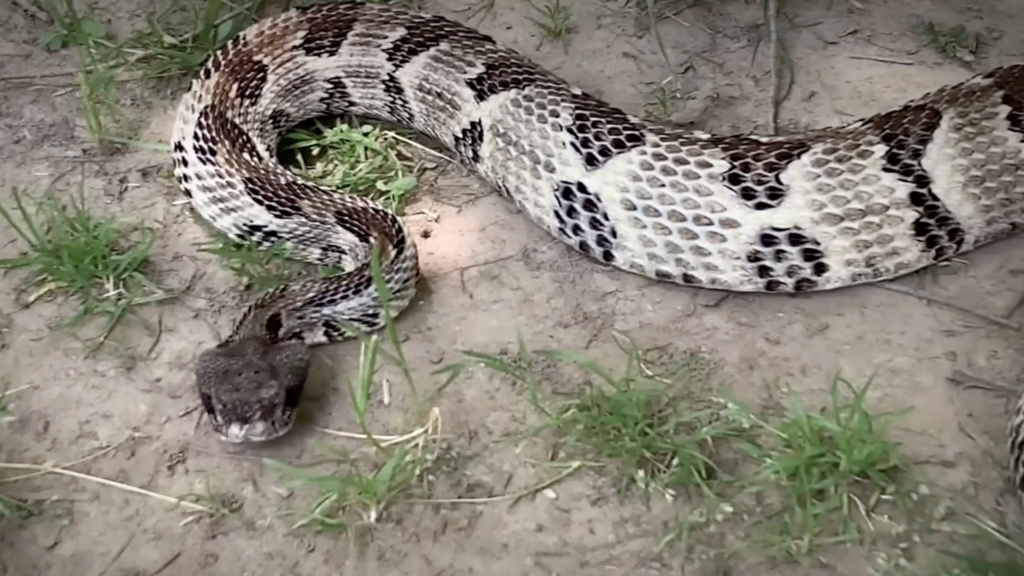
Timber rattlesnakes are generally not aggressive when left alone, but handling, loud music and attempts to display them can provoke defensive behavior. For Coots, years of surviving dangerous encounters may have created a sense that he could continue taking the risk.
But venom does not care about faith, experience or confidence.
After countless encounters with snakes, the bite that killed Jamie Coots lasted only moments. His belief had never changed, but this time, the venom was stronger than his body could withstand.