He was eleven years old, standing in a public square with other children from his neighborhood. In front of them, a man was tied to a post while a firing squad raised their rifles.
One shot, and the crowd erupted in screaming.
For Timothy Cho, growing up in North Korea, that was not an unimaginable horror. It was part of ordinary life.
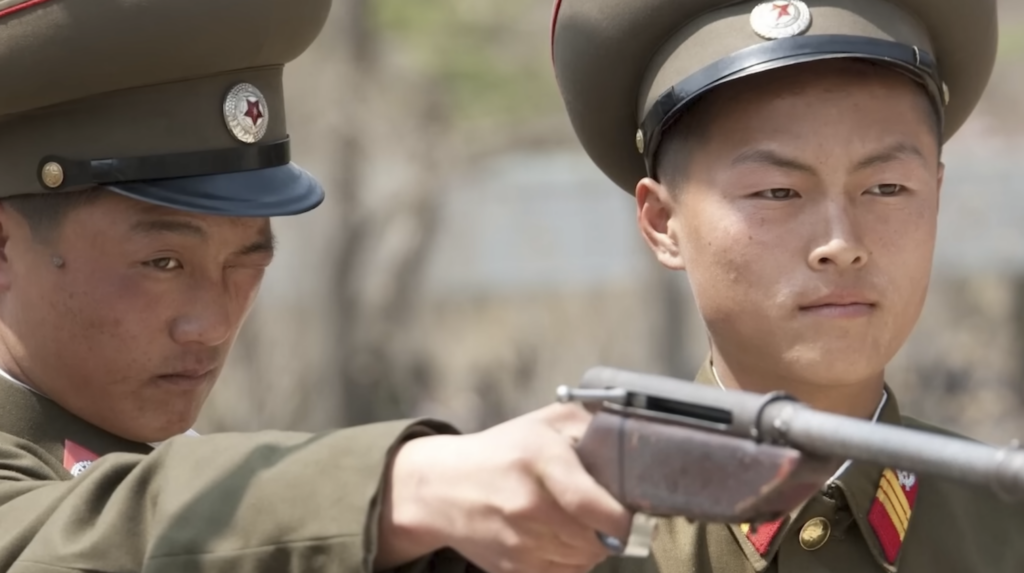
His childhood took place inside one of the most tightly controlled regimes on Earth, where fear and propaganda shaped every part of daily existence. But his story is not simply about witnessing brutality. It is about surviving it repeatedly, and escaping a system built to hold people forever.
Timothy was born into a family of teachers, which gave him a relatively respected position in North Korean society. Like every child, he was raised to worship the ruling Kim dynasty and accept its absolute authority, a belief woven so deeply into daily life that it shaped how he understood the world.
Everything collapsed when he was around nine.
His parents fled to China without warning. In North Korea that counts as extreme betrayal, and rather than sympathy, Timothy was branded the son of traitors, a label that would follow him for years.
He lost his place in society almost overnight. Schools turned him away. Relatives refused him. Even basic kindness disappeared, leaving him to survive alone.
His timing could not have been worse. Through the mid to late 1990s, North Korea endured a devastating famine known as the Arduous March, and millions faced food shortages.
Timothy became one of the kotjebi, homeless children roaming train stations and markets hunting for scraps. Some days he ate nothing at all. Other days he ate whatever he could find on the ground.
His grandmother eventually took him in, though conditions stayed harsh and survival was never guaranteed. All the while, state propaganda continued glorifying the regime, demanding loyalty from people who were starving.
By his late teens he faced a straightforward calculation. Staying meant slow death. Escaping meant risking immediate execution.
In 2004 he joined a group of defectors attempting to reach Mongolia through China, crossing harsh terrain while avoiding border patrols.
They nearly made it.
Chinese security forces intercepted them just before the crossing. Warning shots were fired as they ran, and eventually the group was surrounded and arrested. Because of agreements between China and North Korea, defectors are routinely sent back, which meant returning to the country he had risked everything to leave.
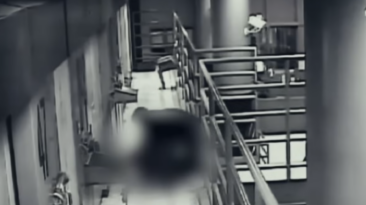
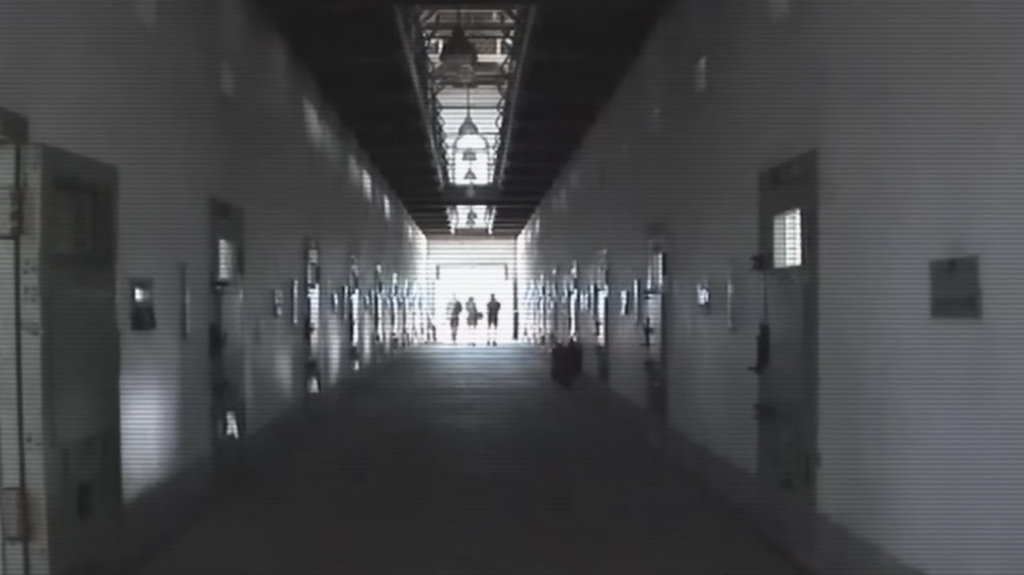
What waited for him was detention. Overcrowded cells packed with dozens of prisoners, almost no hygiene, minimal food, and no medical care.
Interrogations came frequently. Prisoners were starved, beaten, and forced into exhausting labor.
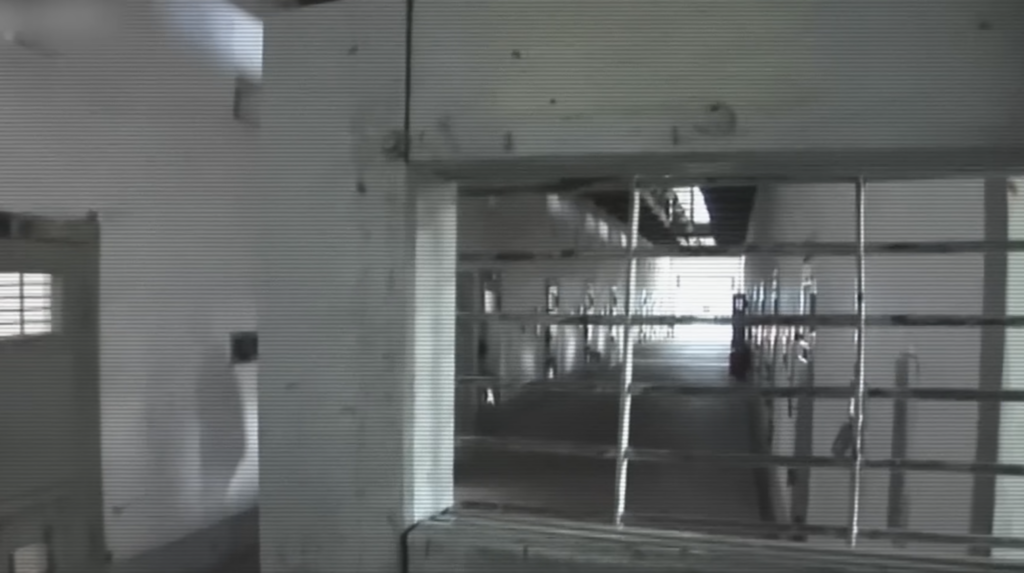
One morning Timothy woke to find the man beside him had died overnight from starvation and mistreatment. The body was removed without ceremony, and life inside continued as though nothing had happened.
Human rights organizations have long described the North Korean prison network as among the harshest systems anywhere, with tens of thousands still believed to be held in labor camps today.
Timothy survived his release and returned to his grandmother’s home under surveillance. Freedom remained out of reach.
In 2006 he tried again, this time heading through China toward Shanghai. After travelling over 1,600 kilometers using forged documents and constant movement, he reached somewhere almost nobody would expect a North Korean refugee to end up: an international school.
He and the others there hoped for protection. Chinese authorities intervened again, and Timothy was arrested and detained a second time.
Inside prison he reached his breaking point and attempted to end his life using sleeping pills he had hidden.
He survived that too.
During the same period he met a South Korean former gangster who had converted to Christianity, and that unlikely encounter became a source of support during his darkest stretch.
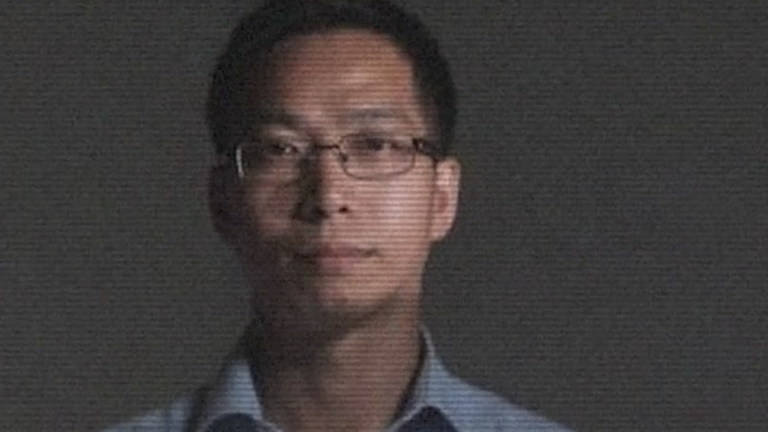
Meanwhile a photograph of Timothy and the other defectors, later known as the Shanghai Nine, spread internationally. Students and journalists pushed the story until it drew global attention and diplomatic pressure.
That pressure changed everything. Instead of being returned to North Korea, Timothy was deported to the Philippines, then made his way to South Korea, and eventually to the United Kingdom.
Two failed escapes, a famine, and a prison system designed to make leaving impossible. He is out, and he is telling people what he saw.